

The Great Psychological Rewind
You could be a CEO, a surgeon, or an artist with a formidable portfolio, but the moment you walk through your childhood front door, you risk reverting to a younger self. Psychologists call this 'emotional regression'. The familiar sights, smells, and
sounds can trigger deeply encoded patterns from your formative years. Suddenly, you’re the 'responsible one' again, the 'messy one', or locked in a silent, decades-old competition with a sibling over who gets the last dinner roll. It's not a personal failure; it's a powerful, often unconscious response to the environment where your core identity was formed. This regression is a prime source of both conflict and comedy, as your 35-year-old brain tries to operate with the emotional software of a 15-year-old.
Your Unofficial Annual Review
As we age, the questions from relatives evolve, yet they rarely become less pointed. In your teens, it was about grades. In your twenties, it's your career path and romantic prospects. By your thirties and beyond, you’re facing a full-scale, unsolicited life audit. 'Still renting?', 'When are you having kids?', 'Is that really what you do for a living?' These questions, often fired from a well-meaning but nosy aunt, stem from a blend of genuine curiosity and a generational disconnect. In many family systems, such inquiries are a traditional, if clumsy, way of showing they care. The awkwardness comes from the clash between their outdated expectations and the reality of your modern life, creating a cringeworthy interview you never applied for.
The Pressure Cooker Effect
For a few days, a group of people with different values, routines, and political views are placed in close quarters with high expectations for festive cheer. It’s a social pressure cooker. Daily routines are disrupted, personal space shrinks, and minor irritations can quickly escalate. The fight that seems to be about the proper way to load a dishwasher is almost never about the dishwasher. It’s about unresolved tensions, the stress of year-end deadlines, and the sheer exhaustion that many people feel by late December. This compressed time together amplifies every pet peeve, turning small quirks into major sources of conflict, which, in hindsight, often become the funniest stories told at next year’s gathering.
Embracing the Beautiful Chaos
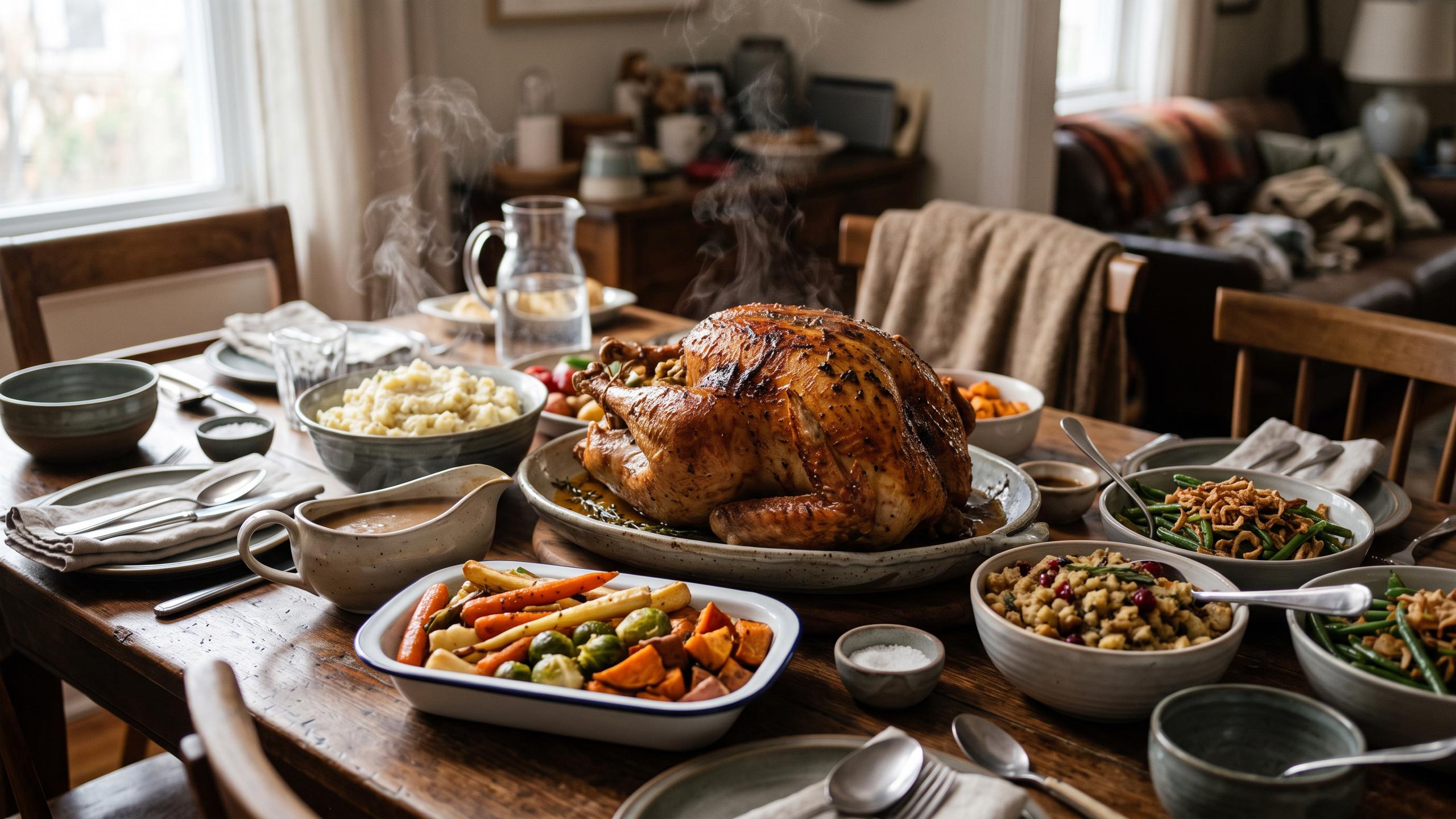
While navigating the holiday minefield can be stressful, it's also where the best memories are made. The 'perfect' holiday rarely exists outside of greeting cards. The truly unforgettable moments are often the imperfect ones: the burnt turkey, the toddler's tantrum during a family photo, or the bizarre argument that ends in grudging laughter. As we get older, we gain the perspective to see the humor in the dysfunction. These awkward interactions are a strange but vital part of the tapestry of family life. They are reminders of a shared history, a testament to the messy, complicated, and unconditional bonds that tie you together, whether you like it or not.