
The Thanksgiving ensemble film is a genre unto itself, promising the cozy chaos of a family reunion. But like a dinner with too many cooks, adding too many relatives to the cast often results in a cinematic dish that's undercooked and unsatisfying.
The Character Sprawl Problem
The
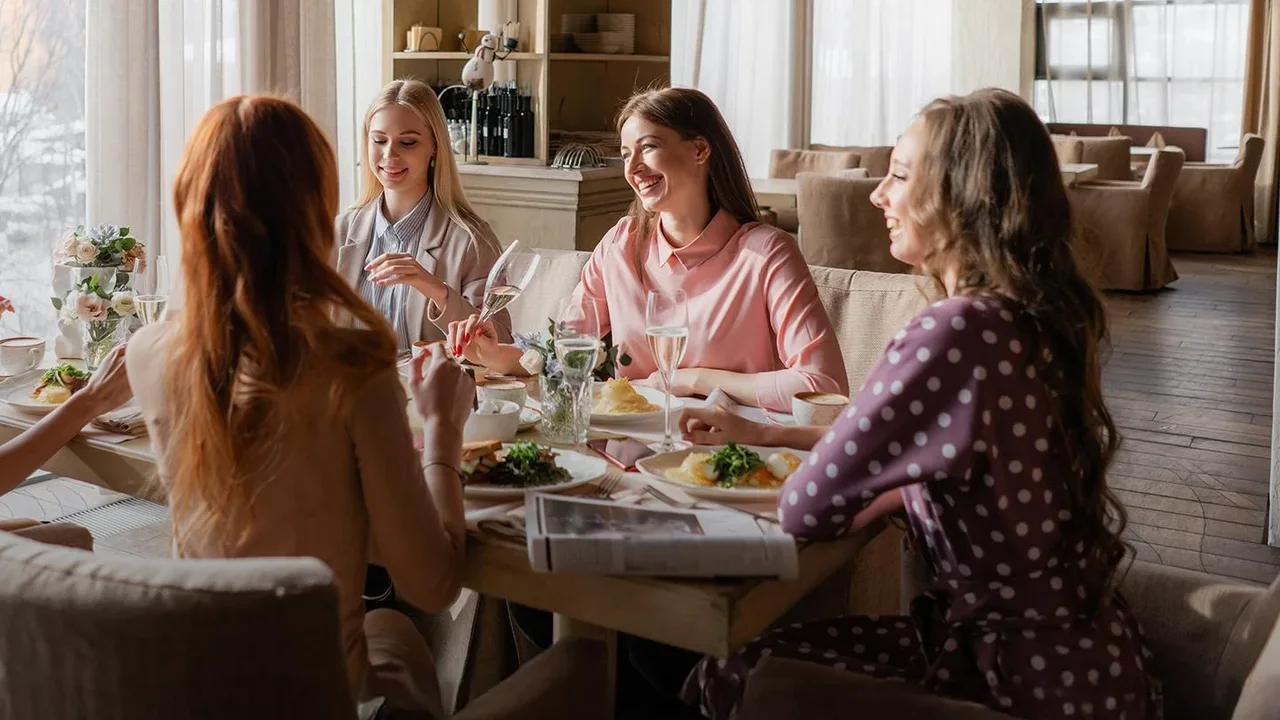
core challenge of any ensemble film is giving each character enough screen time and meaningful development. In a Thanksgiving movie, this problem is magnified. The formula demands a house packed with archetypes: the bitter sister, the quirky gay brother, the overbearing matriarch, the checked-out dad, and a collection of cousins with single-trait personalities. When a cast swells to a dozen or more, screen time is divided into slivers. Characters don't get arcs; they get moments. We learn about Aunt Carol's divorce in a single line of dialogue or see Uncle Bob's financial stress in a lone, pensive stare out the window. This narrative shorthand prevents the audience from investing deeply in any one person's story, leaving the film feeling like a collection of sketches rather than a cohesive whole. The result is a film populated by familiar types who we recognize but never truly know.
A Cacophony of Competing Subplots
With so many characters comes an avalanche of subplots. The central conflict—often a prodigal child returning home or a family secret about to detonate—gets lost in the noise. Instead of a focused narrative, the film juggles a half-dozen minor dramas. The camera cuts from a tense conversation in the kitchen to a flirtation in the backyard, then to two cousins arguing in the basement. Each story thread is too thin to carry significant emotional weight. The film 'Friendsgiving,' for example, was criticized for being 'overstuffed' and 'indigestible' due to its sheer volume of characters and their one-note issues. This diffusion of focus means the stakes never feel particularly high for anyone. The cinematic equivalent of holiday small talk, these scenes fill time but fail to build the sustained tension necessary for a compelling story.
Dialogue That Dumps, Not Develops
In a crowded ensemble scene, dialogue often serves as a blunt instrument for exposition. Characters don't converse; they announce their problems. A line like, 'Ever since I lost the promotion, things have been tough' is an efficient but lazy way to establish conflict. With limited minutes to spare for each character, writers resort to these tell-don't-show tactics. The artistry of subtext and gradual revelation is sacrificed for speed. The Thanksgiving dinner table, a perfect setting for simmering resentments to boil over through layered conversation, instead becomes a stage for a series of disconnected monologues or quippy one-liners that reveal personality without deepening character. This turns what should be the film's centerpiece into a frantic exercise in information delivery.
The Exceptions That Prove the Rule
Not all Thanksgiving ensembles fail. Films like 'Home for the Holidays' and 'Pieces of April' succeed precisely because they cheat the formula. 'Home for the Holidays,' directed by Jodie Foster, centers its chaos squarely on one protagonist, Claudia (Holly Hunter), using her perspective to anchor the family's dysfunction. The other characters, while numerous and eccentric, primarily exist in relation to her, giving the story a clear emotional core. Similarly, 'Pieces of April' keeps its cast small and its focus tight. The film is built around two parallel journeys: April's desperate attempt to cook a Thanksgiving dinner and her family's reluctant road trip to see her. This dual structure allows for deep character work within a small group, making the final reunion feel earned and impactful. These films understand that emotional depth requires focus, even when the dinner table is full.