
A Perfect Accident vs. A Magical Job Opening
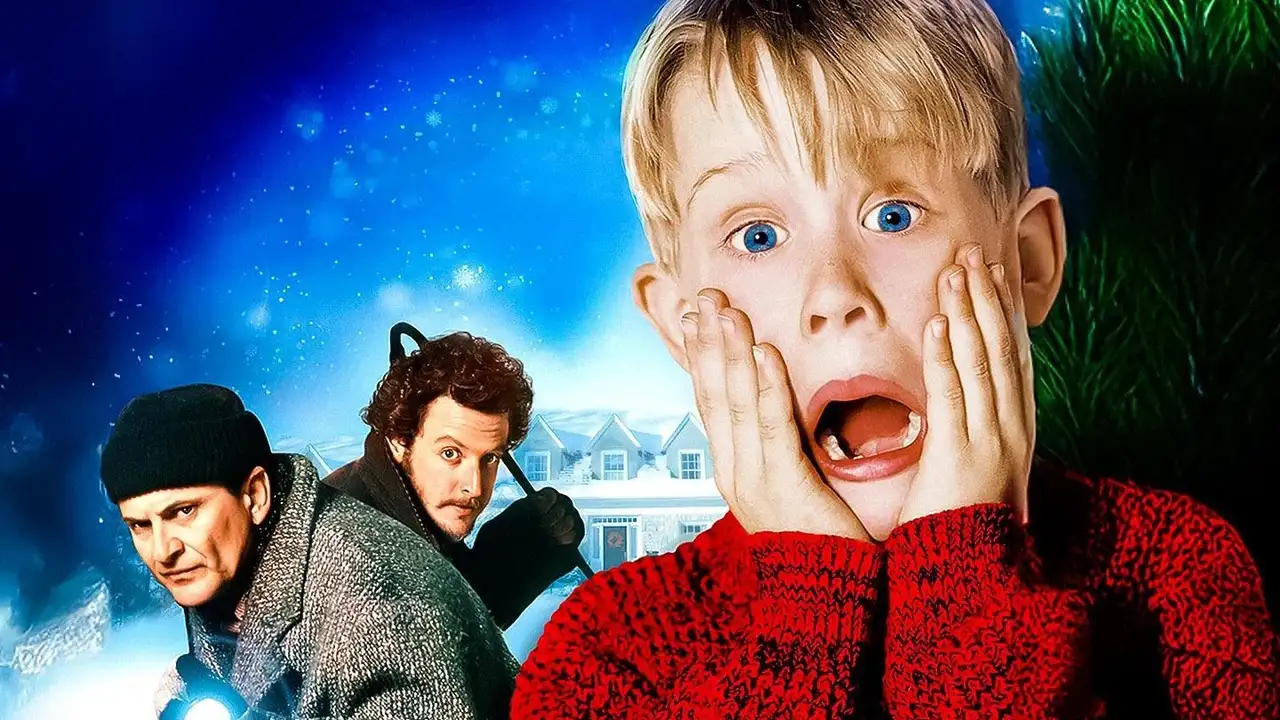
The franchise potential for each film was clear from the first viewing. Home Alone is built on a perfect, singular concept: a clever kid, left to his own devices, defends his home with Rube Goldberg-esque traps. It's lightning in a bottle. The premise
is hilarious but also inherently difficult to replicate without it feeling repetitive. How many times can one family plausibly forget their child? In contrast, The Santa Clause was built for expansion from the start. The plot isn't just about a man becoming Santa; it's about a magical contract—'the Clause'—that comes with rules, succession plans, and a whole North Pole mythology just waiting to be explored. One was a brilliant situational comedy; the other was the origin story for a magical universe.
The Sequel Problem: Repetition vs. Expansion
The sequel strategies highlight this core difference. Home Alone 2: Lost in New York was a massive success, but it largely repeated the formula of the original, swapping a suburban house for a New York brownstone. Subsequent sequels, made without the original cast, tried to recapture the magic by installing a new kid in a similar situation, leading to diminishing creative and commercial returns. The magic was tied to Kevin McCallister, and without him, it felt like a copy. The Santa Clause, however, used its sequels to build out the world. The Santa Clause 2 introduced a 'Mrs. Clause' requirement, while the third film brought in other legendary figures like Jack Frost. While critics were sometimes mixed, the sequels successfully expanded the lore, turning a simple story into a fleshed-out universe, a strategy that would prove invaluable for the streaming era.
The Streaming Revival: A Failed Reboot vs. A Successful Continuation
This is where the strategic differences truly paid off. When Disney+ looked to leverage its holiday catalog, it approached both properties. For Home Alone, the result was Home Sweet Home Alone, a 2021 reboot that was widely panned for failing to understand what made the original special. It proved that the concept alone wasn't enough; the charm was specific to the original's cast and tone. Meanwhile, The Santa Clause returned with The Santa Clauses, a multi-season series starring Tim Allen and other original cast members. The show directly continued the story, exploring Scott Calvin's retirement and the search for a successor. Because the original films had established a world with rules and a line of succession, a continuation felt natural. It was the ultimate payoff for its world-building strategy.
Legacy: Chaotic Nostalgia vs. Cozy Mythology
Today, both franchises hold a special place in the holiday canon, but for different reasons. Home Alone is pure, concentrated nostalgia. We watch it to revisit that specific feeling of childhood wish fulfillment and anarchic slapstick. Its enduring appeal is rooted in its perfect execution of a simple, hilarious idea. The Santa Clause offers something else: a cozy, ever-expanding mythology. It's a Christmas universe you can return to, with new chapters still being written. The original film is a classic, but its true franchise strength lies in the world it created, one that continues to give Disney new stories to tell. One was a perfect movie; the other was the perfect blueprint for a franchise.