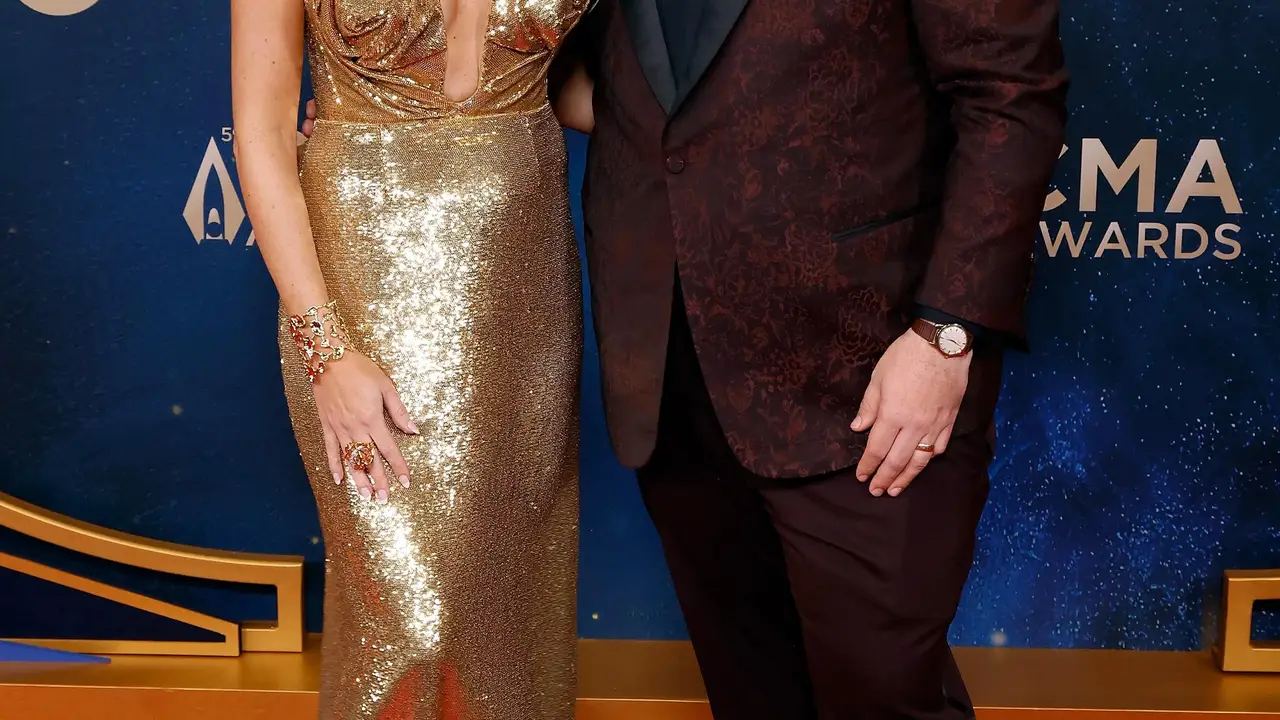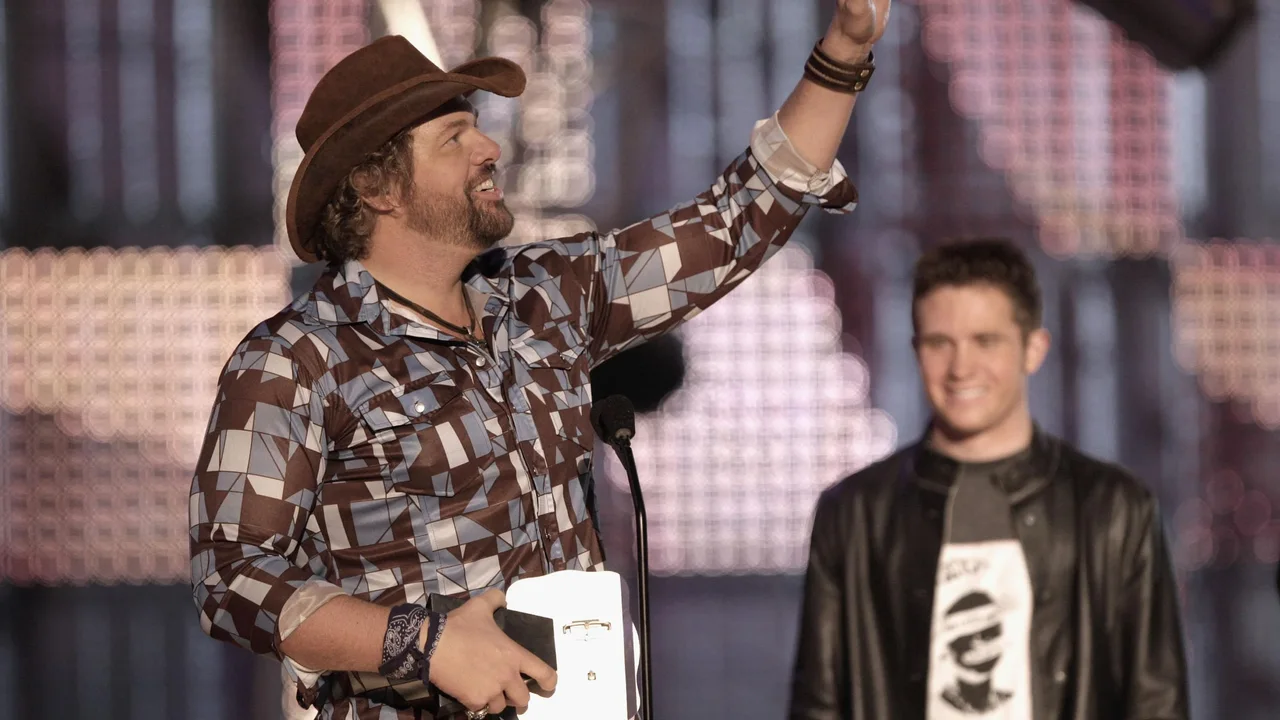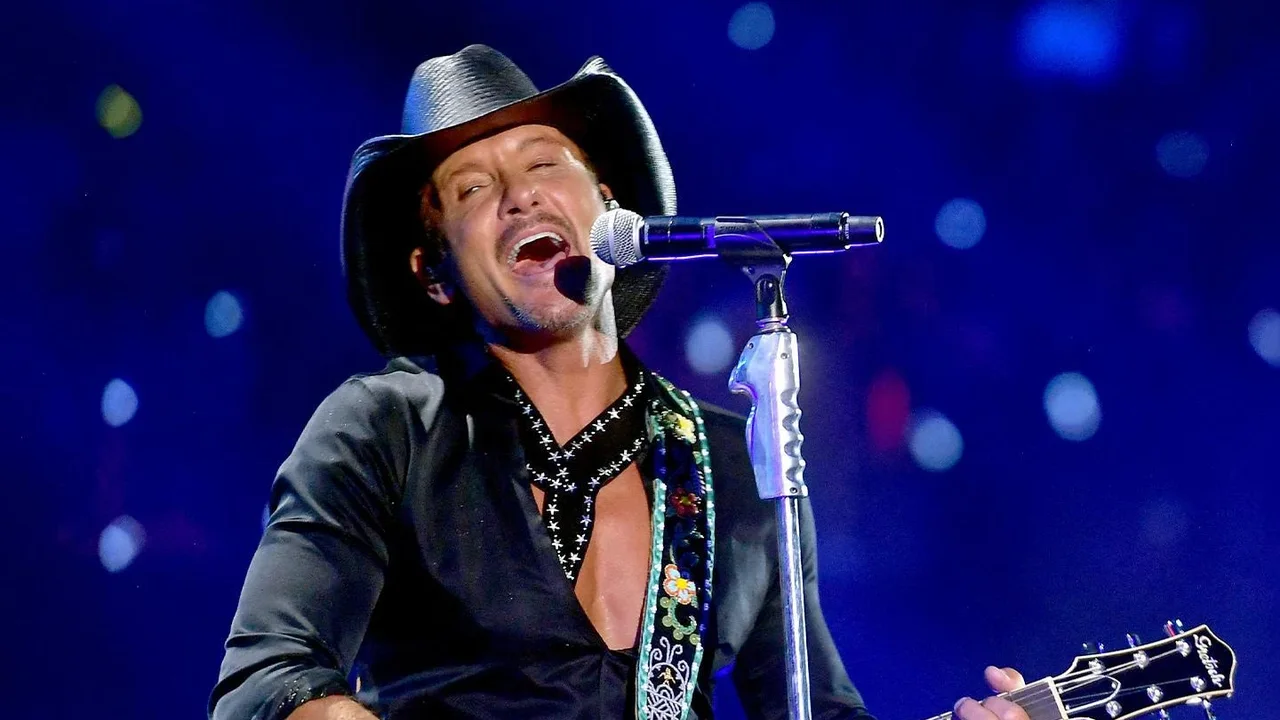

Amid the polish and pageantry of the 2026 CMA Awards, one artist delivered a dose of raw, unfiltered truth. Stephen Wilson Jr.'s moment in the spotlight wasn't just a performance; it was a testament to his complex, dual-natured storytelling.
A Different Kind of Country Star
Stephen Wilson
Jr. is not your typical Nashville product. A former microbiologist and Golden Gloves boxer from Southern Indiana, he arrived in country music with a sound that owes as much to grunge and indie rock as it does to traditional country. His critically acclaimed 2023 debut album, 'søn of dad', was a sprawling, 22-song exploration of grief following the sudden death of his father and namesake, who was also a boxer. That project established him as a fearless and authentic voice. At this year's CMA Awards, where he was nominated for four awards including New Artist and Male Vocalist of the Year, he performed alongside Chris Stapleton, further cementing his place as one of the genre's most compelling figures.
The Two Worlds of 'Gary'
The headline refers to his powerful single, 'Gary'. The song was inspired by a roadside memorial for a 16-year-old boy of the same name. That heartbreaking image sparked a thought in Wilson's mind: 'There ain't a lot of boys named Gary these days'. From that single line, he built a mythology around the name. 'Gary' became a subspecies of human—the blue-collar fixer, the guy who shows up when your septic tank blows, whose hands can mend anything a hammer can't. It’s a character study of a dying breed, the unsung heroes who keep the world running but are often overlooked. The song itself walks two distinct paths, a duality that defines much of Wilson Jr.'s work.
The First Lane: A Tragic Disappearance
The first storytelling lane is one of tragedy and quiet desperation. 'Gary' starts as an affectionate portrait of a type of man you know, with a 'cigarette glued to their face'. But as the song progresses, the tone darkens. The narrator admits, 'I never really noticed, but now that I mention it'. The focus shifts to a man being overlooked, a figure fading in plain sight. The lyrics hint at a man whose world is shrinking, whose health is failing ('He holds his left arm while his parakeet prays'), and who is ultimately left behind as time moves on. It’s a somber elegy for a disappearing working-class archetype, a man who fixes everything for others but can't fix his own growing isolation.
The Second Lane: A Celebration of a Hero
The second lane, however, is a rugged celebration. While born from tragedy, the song also functions as a powerful tribute. It elevates the 'Garys' of the world, celebrating their grit, competence, and understated importance. Wilson has stated that we've made heroes out of the wrong people, while the real heroes—the fixers—disappear into the background. This lane isn't about mourning a loss so much as it is about championing a legacy. It's a call to recognize the value of the humble, hardworking figures in our communities. In this sense, 'Gary' is an anthem for the underappreciated, a story that finds nobility in grease-stained hands and a job well done. It’s a theme that connects back to the love and respect he holds for his own father, the ultimate 'fixer' in his life.