


The Emotional Glue Between Scenes
We all know the big musical moments. It’s Mariah Carey’s iconic anthem in 'Love Actually' or Bing Crosby’s timeless 'White Christmas'. But those are the headliners. The real workhorse of a holiday film score is the transitional music—the short, instrumental
cues that stitch the movie together. Think of it as the narrative glue. A scene ends with a character making a heartfelt decision, and as we cut to a snowy establishing shot, a flurry of strings and sleigh bells carries that feeling forward. This isn't just filler; it's emotional storytelling, telling us how to feel—cozy, anxious, hopeful, or nostalgic—without a single word of dialogue. These musical bridges are responsible for maintaining the all-important 'Christmas feeling' from one plot point to the next.
The 'Home Alone' Gold Standard
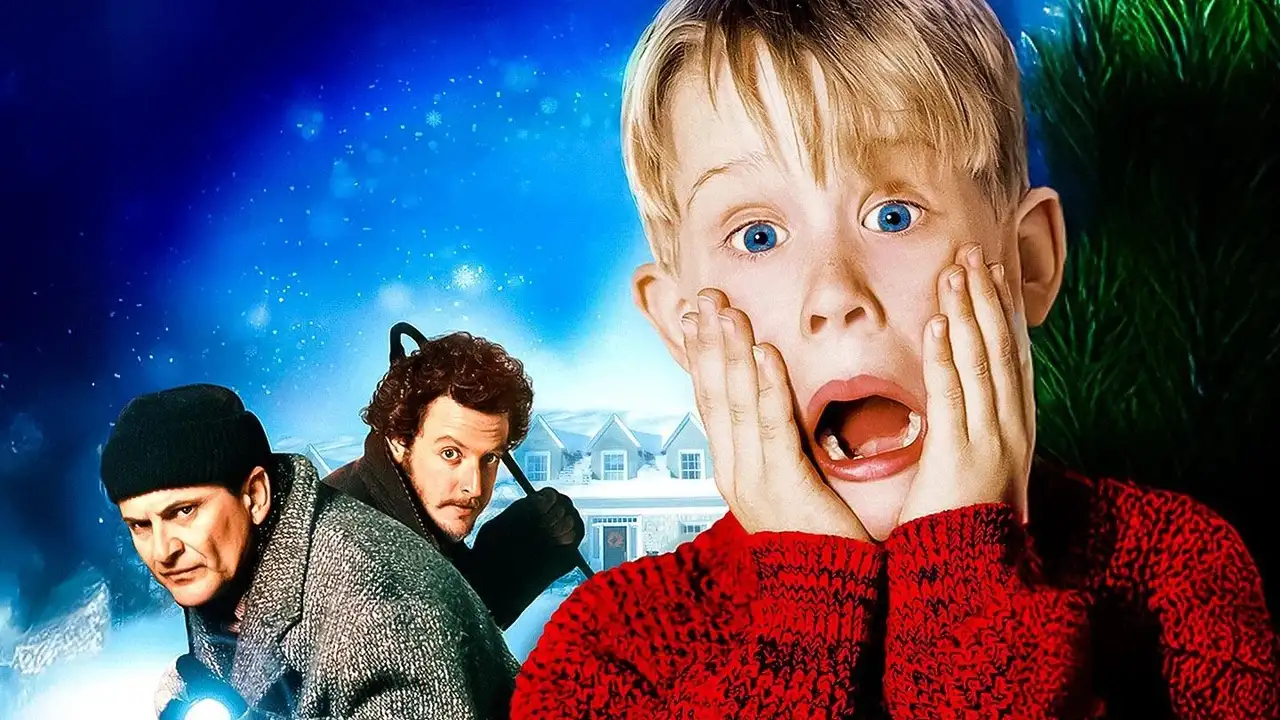
For a masterclass in transitional music, look no further than John Williams’ score for 'Home Alone'. While songs like 'Rockin’ Around the Christmas Tree' get their big moments, it's Williams' original cues that give the film its soul. He created a series of distinct, memorable themes that function as narrative shorthand. There’s the mischievous, sneaky theme for the burglars, often carried by bassoons, and the chaotic, Tchaikovsky-inspired 'Holiday Flight' music that captures the family's frantic rush. Most importantly, the central 'Somewhere in My Memory' theme is woven throughout the entire film in countless variations—played on a celeste for moments of wonder, or swelling with a full orchestra when Kevin realizes the importance of family. These cues don't just bridge scenes; they are the scenes, a perfect blend of slapstick comedy and heartfelt holiday spirit.
From Masterful to Muzak
The 'underused' part of the headline comes into play when you notice how many holiday movies get this wrong. While a composer like Hans Zimmer can craft a delicate, character-driven score for 'The Holiday' where specific themes define each person's journey, many lower-budget films fall back on generic solutions. They often rely on royalty-free public domain carols or stock music that feels more like department store muzak than a thoughtful score. This approach fails to provide any specific emotional texture. A scene transition might feature a bland 'Jingle Bells' instrumental that adds nothing to the story. This is where the secret weapon is holstered. A great transitional score acts as a character in itself, but when done poorly, it's just background noise that fails to 'glue' the cinematic moments together.
The Sound of Holiday Feeling
Ultimately, the best transitional music does more than just move the plot along; it builds a world. Craig Armstrong’s score for 'Love Actually' uses its 'Glasgow Love Theme' to connect disparate storylines, creating a sense of shared experience across London. Alan Silvestri’s work on 'The Polar Express' uses soaring orchestral arrangements to evoke a pure sense of childhood wonder. These composers use a distinct sound palette—a specific collection of instruments like celeste, sleigh bells, and woodwinds—to instantly trigger our holiday associations. They create a sonic texture that feels like a warm blanket, a musical shorthand for nostalgia and anticipation. This music works on a subconscious level, turning a simple cut from one scene to another into a moment of pure Christmas feeling.