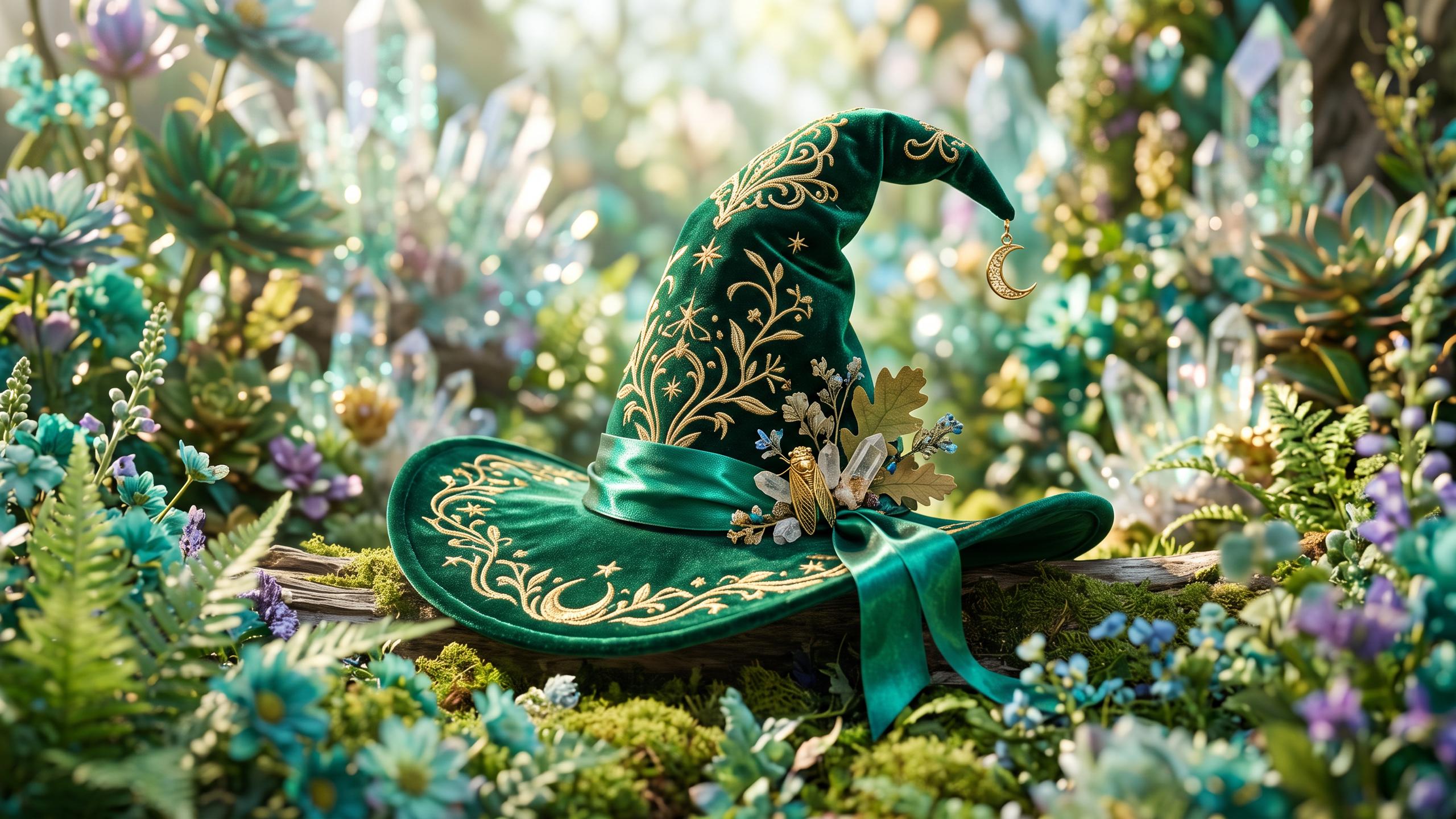

The story of Oz is baked into American culture, but what if the Wicked Witch of the West wasn’t a villain? The 'Wicked' films revisit that tale to explore a potent, modern question: who decides which stories get told, and who gets heard?
The Story You Only Thought You Knew
For generations,
'The Wizard of Oz' provided a clear-cut fairy tale of good versus evil. Dorothy and her friends were heroes; the Wicked Witch of the West was their monstrous foe. But the 'Wicked' saga, adapted into two epic films from the blockbuster stage musical, flips that entire narrative on its head. It introduces us to Elphaba, a fiercely intelligent and passionate young woman who is ostracized from birth simply because her skin is green. This isn’t just a supervillain origin story. It’s a powerful examination of how history is written by the victors, and how easily a person can be branded as 'wicked' for challenging the status quo. The films posit that the truth of Elphaba’s life is far more complex than the one-dimensional villain we remember, forcing audiences to question the very nature of the stories they've always accepted as fact.
Elphaba’s Green: A Symbol for the Other
From the moment she’s born, Elphaba’s green skin makes her a target for fear and prejudice. This visible difference becomes a potent metaphor for any quality that sets an individual apart from the mainstream, whether it’s race, beliefs, or identity. Her journey through Shiz University highlights how society marginalizes those it deems 'other'. While the powerful and privileged work to maintain a comfortable, homogenous society, Elphaba gives voice to the voiceless, most notably by defending the talking Animals of Oz who are being systematically silenced by the Wizard's corrupt regime. Her refusal to stay silent in the face of injustice is what ultimately gets her labeled as a threat. The story powerfully suggests that those who are cast as villains are often just individuals whose perspectives have been deliberately suppressed by those in power.
Glinda’s Glow: The Power of Popularity
Contrasting Elphaba is her initially bubbly and ambitious roommate, Galinda, who later rebrands as Glinda the Good. Gilded by privilege and adored for her conventional beauty and charm, Glinda represents the allure of conformity. She isn't a villain, but rather a complex figure who embodies the quiet complicity of those who benefit from an unjust system. Her journey is one of awakening, as her profound friendship with Elphaba forces her to confront the ugly truth behind the sparkling facade of the Emerald City and the Wizard's rule. She learns that being 'good' isn’t about being popular; it’s about having the courage to do what’s right. By the story’s end, it is the publicly beloved Glinda who is positioned to create change from within, proving that different forms of resistance have their own power.
A Story for Every Generation?
While 'Wicked' has been a cultural phenomenon for over two decades, its big-screen adaptation landed in a world primed for its message. For older audiences, it might be seen as a clever prequel that enriches a classic tale. But for younger generations raised on social media, where narratives are constantly being challenged and reframed, Elphaba's story resonates as a powerful allegory for speaking truth to power. Her struggle against propaganda and a system that uses a scapegoat to unite the public feels incredibly relevant. The central theme—that history is a story told by those who win—connects with contemporary conversations about whose voices are amplified and whose are erased. The song 'For Good,' a moving duet where Elphaba and Glinda acknowledge how they’ve changed each other, encapsulates this idea, suggesting that our understanding of people and events is never fixed, but is forever altered by the perspectives we choose to hear.