




For weeks, we thought we understood the game. 'The Arena' was a brutal, straightforward contest of survival. But after its latest jaw-dropping twist, the entire premise has been shattered, turning a simple story of endurance into a terrifying psychological
thriller.
The Game We Thought We Knew
Until now, the rules of 'The Arena' seemed punishingly simple. Contestants were thrown into a high-tech, hostile environment, and the last one standing would win their freedom. The threats were external and easy to understand: environmental hazards, engineered beasts, and, of course, the other competitors. The drama was built on physical prowess, strategic alliances, and the raw will to survive. The forcefield that enclosed the massive battlefield was seen as nothing more than a boundary, an electrified fence keeping the game contained. Viewers analyzed fight choreography and tracked alliances, believing the central question was who was strong enough, fast enough, or clever enough to outlast the others. The stakes were life and death, but they were stakes we recognized from countless other stories.
The Boundary Becomes the Villain
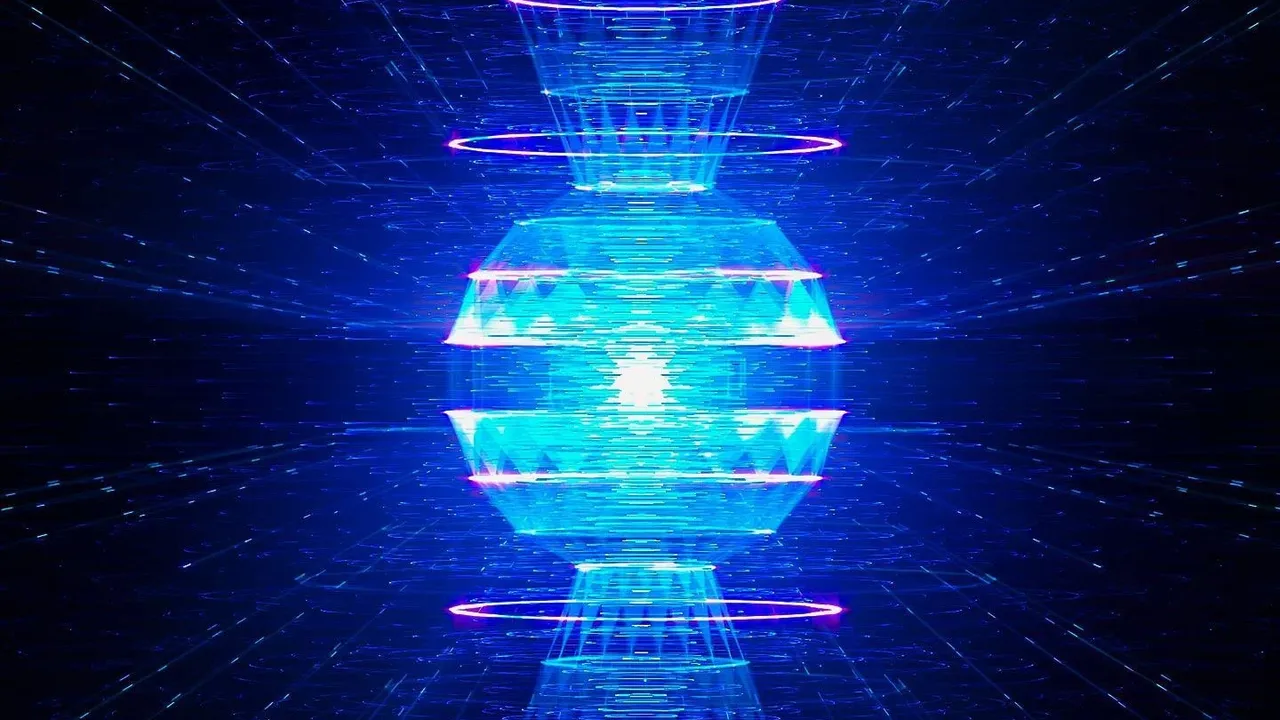
The latest episode upended everything with a single, horrifying revelation: the forcefield is not a passive barrier. It's an active, insidious weapon. We watched as a wounded contestant, pressing against the shimmering wall in a moment of despair, didn't just get repelled; she experienced a vivid, traumatic memory from her past, broadcast for all to see. The twist is that the arena's perimeter is a psychoactive field, designed to probe the minds of the contestants, dredge up their deepest fears and regrets, and project them as disorienting hallucinations. The Gamemakers aren't just testing bodies; they're weaponizing trauma. The physical prison is also a mental one, and the very air is charged with the potential for psychological collapse. This transforms the environment from a mere setting into the story's true antagonist.
From Physical Survival to Psychological War
This narrative shift redefines the story's core conflict entirely. The stakes are no longer just about surviving the next fight, but about surviving one's own mind. How can you trust an ally when you can't be sure if their sudden paranoia is a strategic ploy or a forcefield-induced delusion? Every decision is now suspect. The stoic soldier, haunted by visions of a past failure, becomes a liability. The cunning strategist, whose plans rely on a clear head, is suddenly crippled by manufactured doubt. The show is no longer asking, 'Who is the strongest fighter?'. It's asking, 'Whose sanity will crack first?'. This new layer adds a tragic, intimate dimension to the violence. A physical wound can heal, but the scars left by this psychological warfare feel terrifyingly permanent. It elevates the story from a high-octane action piece to a deeply unsettling character study.
What This Means for the Endgame
Looking ahead, the forcefield twist completely changes the victory conditions. Simply being the last person standing feels like a hollow prize. If the winner is a mentally shattered husk of their former self, have they really won at all? The true endgame is no longer about escape; it's about exposure. The contestants' primary goal must now shift toward understanding and dismantling the very system that torments them. The ultimate victory won't be achieved by killing the final opponent, but by finding a way to break the forcefield's control and reveal the cruelty of the Gamemakers to the world. The alliances that will matter most won't be based on brute strength, but on shared mental fortitude and a collective desire to unmask the real enemy. The show has brilliantly pivoted, ensuring that the final act won't just be a climax of action, but a battle for the soul of the arena itself.