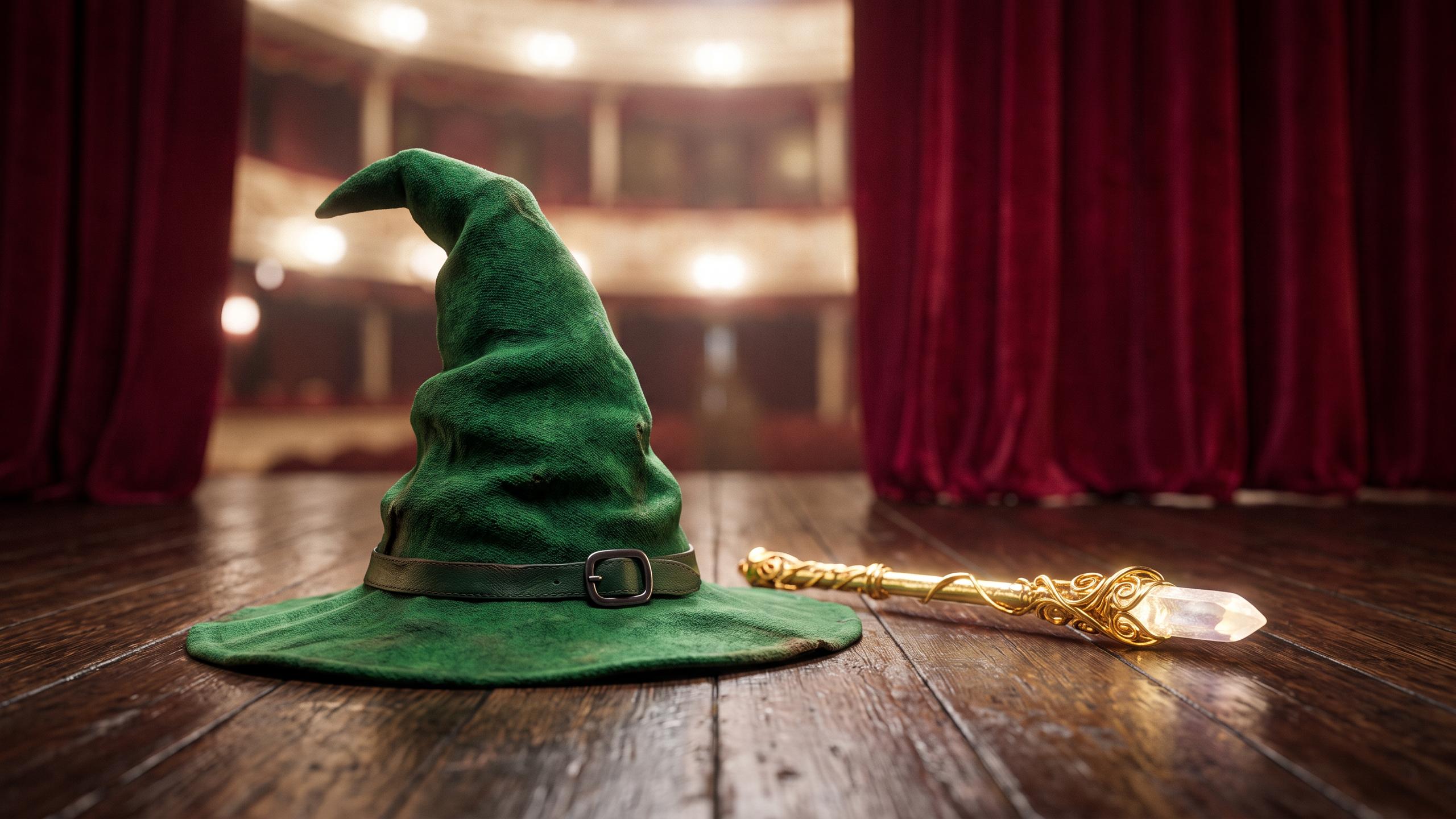





The Hero Who Happens to Be Green
Before 'Wicked,' the Wicked Witch of the West was pure evil. The musical, based on Gregory Maguire’s novel, gives her a name—Elphaba—and a backstory. She’s not a monster; she’s a brilliant, passionate student born with green skin who is ostracized for being
different. From the start, the story frames her not as a villain, but as a principled outsider who sees injustice where others see order. Her 'wickedness' is a label applied by a society that fears her intelligence and refuses to listen to her warnings. The story's power comes from this fundamental shift, forcing us to reconsider who gets to write history and define who is 'good.'
The Real Villain is a Fraudulent 'Wizard'
The true antagonist in 'Wicked' isn't a witch but a seemingly charming man with a great PR machine: the Wizard of Oz. He’s presented as a benevolent, fatherly leader, but is revealed to be a powerless fraud who maintains control through lies and propaganda. His primary political strategy is to create a common enemy to unite the people. He systematically strips the Animals of Oz—sentient, speaking beings—of their rights and even their voices, scapegoating them to consolidate his own power. Elphaba's great crime is not malice, but daring to expose the Wizard's corruption. The musical becomes a stunning political allegory about how authoritarian regimes manufacture consent and silence dissent.
The Complicity of Being 'Popular'
Glinda the Good, Elphaba's unlikely friend, represents a different kind of moral challenge: the temptation of complicity. Initially portrayed as the bubbly, self-absorbed, and status-obsessed Galinda, her journey is one of slowly awakening conscience. She thrives on public approval and initially embraces the Wizard's regime because it benefits her. Her character arc explores the difficult space between wanting to do good and fearing the cost of doing right. Glinda's transformation from a social climber to a leader with a conscience shows that true goodness isn't about being perfect or popular; it’s about accepting responsibility and using your privilege to enact change, even if quietly from within the system.
'Defying Gravity' as a Political Declaration
No song captures the musical's thesis better than 'Defying Gravity.' The soaring anthem that closes the first act is more than just a showstopper; it’s Elphaba’s declaration of independence. Faced with a choice—compromise her principles for a place in the Wizard's corrupt system or be branded an enemy of the state—she chooses rebellion. The song is a powerful metaphor for breaking free from oppressive rules and embracing your true self, even if it means being misunderstood and alone. It is the moment Elphaba reclaims her own narrative, refusing to let the Wizard and his propaganda machine define her. She decides that if fighting for justice makes her 'wicked,' then it's a label she will wear with pride.