


The Setting: An Isolated Outpost
Every slasher movie needs a foreboding location, a place cut off from normalcy. Think of the isolated suburban street in 'Halloween' or the remote summer camp in 'Friday the 13th'. On Black Friday, this setting is the big-box store. Standing under the cold
glare of parking lot lights, surrounded by hundreds of silent, shivering figures, a superstore at 4 a.m. feels as isolated and full of dread as any cabin in the woods. The crowd isn't a community; it’s a collection of strangers united by a singular, tense purpose. The store, usually a place of mundane errands, transforms into a pressure cooker. The doors are locked. The prize is inside. The countdown begins, and with it, the sense that the normal rules of society are about to be suspended.
The Cast of Characters
Slasher films rely on a cast of familiar archetypes, and the Black Friday crowd is no different. You have 'The Final Girl', the savvy, intelligent shopper who has a meticulously planned route, a list, and the resourcefulness to navigate the chaos. Then there's 'The Jock', the aggressive door-buster who relies on brute force to get to the front. We also see the 'Naive Newcomers', the first-timers who believe it’s just about getting a good deal and are tragically unprepared for the reality. And, of course, there are the countless 'Expendable Teens'—the casual participants who get swept up in the frenzy, only to be metaphorically (and sometimes literally) trampled. They are the body count, the cautionary tales of what happens when you underestimate the monster.
The Monster: An Unseen Force
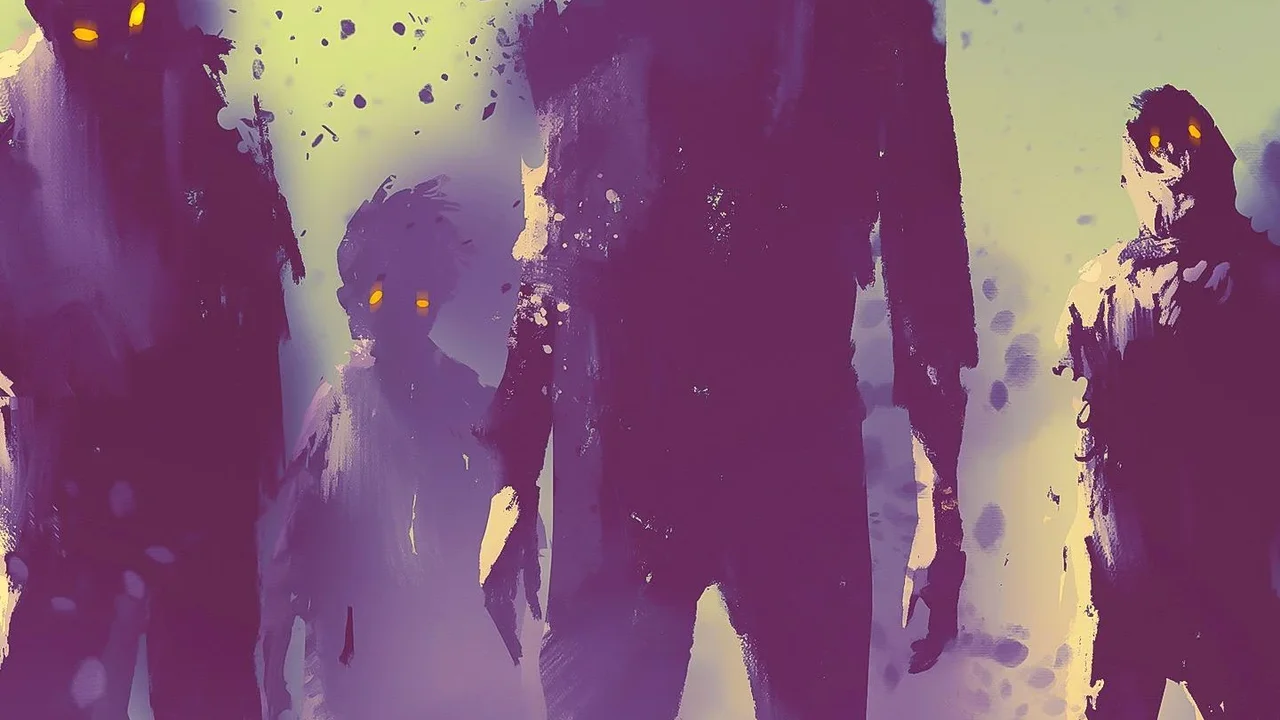
The best horror movie villains are more than just a person in a mask; they represent a deeper fear. In the Black Friday slasher, the monster isn't a single person. It’s an invisible, psychological force composed of manufactured scarcity, mob mentality, and the fear of missing out (FOMO). Retailers expertly create this monster with 'doorbuster' deals in deliberately limited quantities. This scarcity triggers a primal, competitive drive. When you're part of a crowd, a phenomenon called deindividuation kicks in, where personal responsibility fades and the group's heightened emotional state takes over. People do things they would never do alone. This 'mob mentality' is the true killer, turning ordinary citizens into frantic, aggressive opponents in a battle for discounted electronics.
The Jump Scares and Final Act
The moment the doors slide open is the inciting incident, the film's first big jump scare. The ensuing stampede is a chaotic sequence of violence that has led to real-world injuries and even deaths. Fights break out over parking spots, pepper spray is deployed to gain an advantage, and people are shoved and trampled. These aren't just anecdotes; they are the predictable set pieces in our annual horror show. The climax isn't a final showdown with a masked killer but the frantic, desperate peak of the shopping frenzy. The 'survivors' emerge, dazed, into the morning light, clutching their spoils. But the victory feels hollow, the dopamine rush of securing a deal quickly fading. They’ve made it through the night, but the experience leaves a mark, a grim reminder of the thin veneer separating civility from chaos.