

The Narrative Begins with Nominations
Long before the first star walks the red carpet, the show's script is already being written. The nomination list is the first act, and its primary job is to create conversation through snubs and surprises. This year, the big talker was the cold shoulder
given to Morgan Wallen in the major solo categories. Despite his massive commercial footprint, Wallen only appeared in the Musical Event of the Year category, a move that suggests the industry is still grappling with how to celebrate its most successful yet controversial figures. At the same time, the nominations created a potential 'it's her time' storyline for Ella Langley, who led the pack with nine nods, including her first for Entertainer of the Year. This juxtaposition of shutting one star out while elevating another isn't an accident; it's the foundation of a dramatic arc that keeps viewers invested.
Crafting a Comeback and Honoring a Legacy
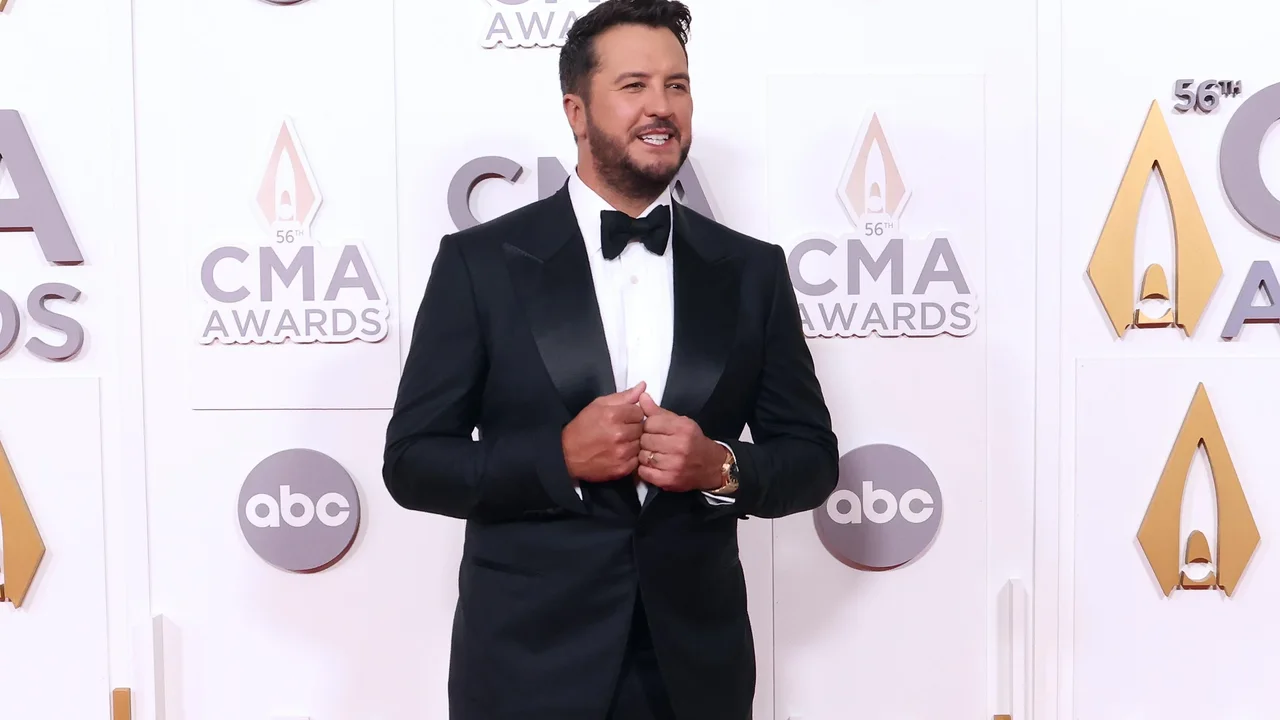
Every great story needs an emotional anchor, and at the CMAs, that often comes from legacy acts. This year featured a powerful tribute to the enduring career of Brooks & Dunn, who received the Willie Nelson Lifetime Achievement Award. Bringing out a diverse group of artists like Brothers Osborne, Luke Bryan, and even the rock band Halestorm to honor the iconic duo serves a dual purpose. It pays genuine respect to two of the genre's titans, but it also creates a multi-generational, cross-genre television moment designed to appeal to the widest possible audience. These tributes are less about a single award and more about creating a unifying, feel-good scene that provides emotional weight amidst the night's competitive tension. It’s a reliable way to generate a standing ovation and a guaranteed highlight for the next day's recaps.
The Star-Making Performance
Winning an award is one thing, but owning the stage is another. The CMAs use their performance slots as kingmakers. The show's producers strategically place artists in spots designed for maximum impact. A stripped-down, emotional ballad can silence a rowdy arena, while a high-energy collaboration can create a viral moment. This year, all eyes were on the performance from Taylor Swift, whose return to the CMA stage was a major talking point. Her presence was a calculated move to draw in viewers beyond the core country audience. Another standout was the emergence of Stephen Wilson Jr., whose raw, interesting style earned him nominations for both Male Vocalist and New Artist of the Year. His performance slot wasn't just a chance to sing a song; it was an introduction to a national audience, a primetime audition for future stardom, validating the industry's bet on a less traditional artist.
The Wins That Pay Off the Storyline
Ultimately, the awards themselves are the climax of the stories told all night. The winners aren't just the 'best'; they're the characters who complete the most satisfying narrative arc. The show's producers don't pick the winners, but the voters often seem to have a shared sense of storytelling. When Cody Johnson swept both Male Artist of the Year and the coveted Entertainer of the Year award, it was the culmination of a years-long journey from a Texas road warrior to Nashville's undisputed champion. It’s a classic underdog-turned-king narrative that plays perfectly on television. Similarly, Ella Langley's massive night, capping off with a win for Artist-Songwriter of the Year, paid off the promise of her leading nomination count. Each major win feels like the final page of a chapter, whether it’s the coronation, the long-overdue recognition, or the shocking upset that sets up next year’s drama.