
The year was 1963, and a studio in New York City was buzzing. Some of the greatest voices of a generation had gathered to make history. Yet in that pivotal moment, Lena Horne, a titan of stage and screen, simply walked away.
A Session for the Movement
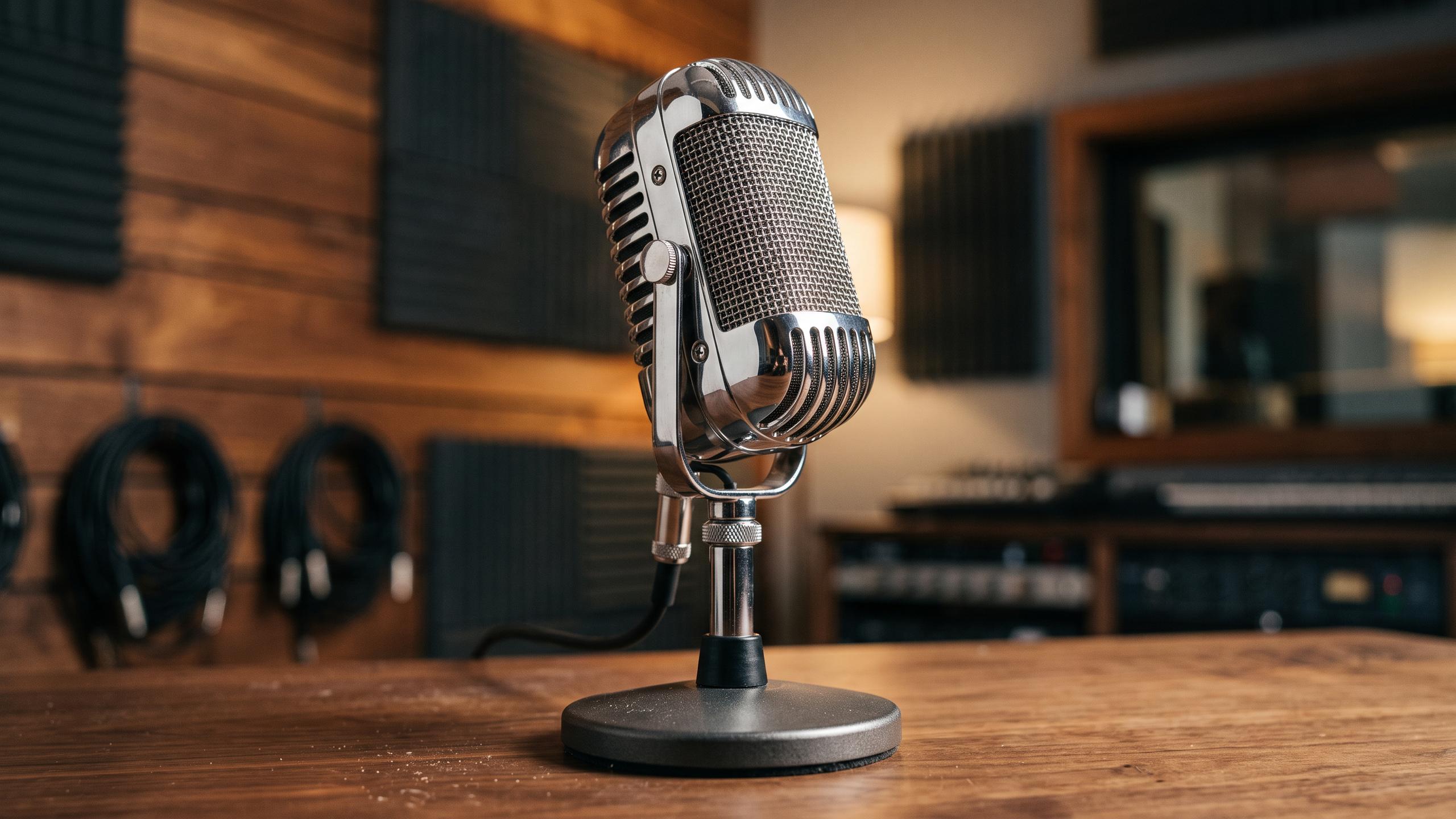
The project was 'We Shall Overcome,' a benefit album to raise funds for the civil rights movement, specifically supporting the upcoming March on Washington. The air in A&R Studios was thick with purpose. Produced by the legendary George Avakian, the record was a testament to the musical heart of the movement, featuring a roster of artists who defined the era, including Bob Dylan, Joan Baez, and Mahalia Jackson. Lena Horne, already a superstar and a committed activist who had long used her fame to fight for equality, was a natural and essential presence. Her participation signaled the deep bond between the front lines of the entertainment world and the front lines of the fight for justice.
The Unbearable Request
Horne was scheduled to lead a choir on a powerful spiritual. But as the session prepared to roll, an issue arose that struck at the very core of her identity and principles. The plan, as conceived by the producers, was to have Horne, a Black woman of immense talent and stature, sing her part surrounded by a choir composed entirely of white singers. The idea was to present a sonic image of integration. To Horne, however, the gesture felt hollow, patronizing, and deeply insulting. It was a contrived tableau of racial harmony that ignored the lived reality of the struggle and felt like a gross misunderstanding of the very culture from which the music sprang.
‘It’s Your Song Now’
The moment of confrontation was quiet but firm. Horne didn't make a scene. She simply refused. For her, this was not an artistic disagreement; it was a fundamental one. Being asked to perform a spiritual—a genre born from the pain, resilience, and faith of Black Americans—as a token figurehead in a sea of white voices was an appropriation she could not abide. It reduced a profound cultural expression to a simplistic, and she felt, disingenuous political statement. In a gesture that would become legendary among those who knew the story, she turned to the producers, told them that if this was how they wanted it done, they could have it, and walked out of the studio. Her act was an assertion that her integrity was not for sale and that the spirit of the music could not be so easily manipulated.
An Activist First, Entertainer Second
This walkout was not an isolated incident but a perfect encapsulation of Lena Horne's entire career. This was the same woman who, during World War II, refused to perform for segregated USO audiences and famously played for Black servicemen with German POWs seated behind them. This was the same woman who sued restaurants and theaters for discrimination and whose insistence on dignified roles led to her being the first Black performer to sign a long-term contract with a major Hollywood studio, MGM, in 1942. She had been blacklisted in the 1950s for her activism and friendships. Her appearance at the actual March on Washington just weeks after this recording session was no celebrity photo-op; it was the continuation of a lifetime of work. The studio walkout was simply another instance of Horne choosing her principles over a paycheck or a performance.