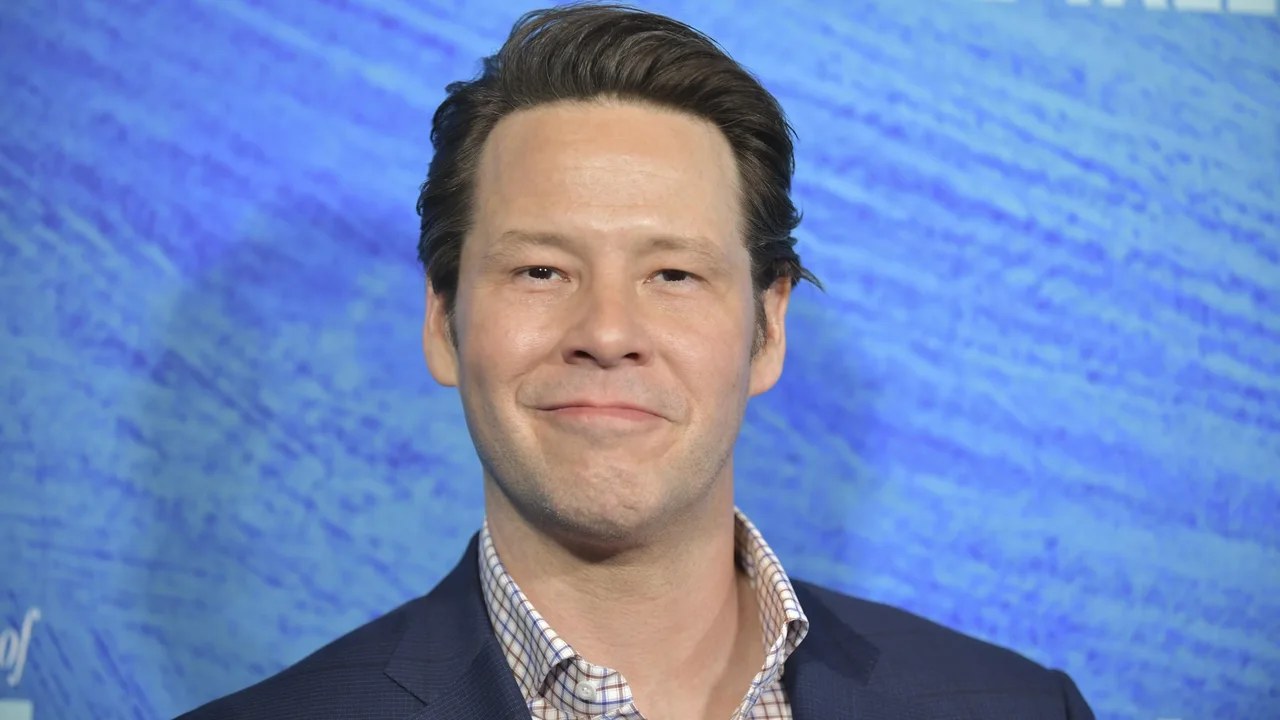



The Thanksgiving dinner table has become a modern American coliseum, a place where passive aggression and political tension can turn a family feast into a gladiatorial sport. Ike Barinholtz's 2018 dark comedy, 'The Oath,' captures this dread perfectly.
The Architect of His Own Demise
In 'The Oath,' Ike Barinholtz plays Chris, a progressive news junkie consumed by anxiety over a new government mandate: a voluntary loyalty pledge to the President with a deadline of Black Friday. Chris isn't just a character; he's the embodiment of every well-meaning relative who thinks they can 'logic' their family into agreement. His core mistake isn't his political stance, but his belief that he can control the holiday discourse. From the moment his family arrives, Chris is on a mission. He promises his wife Kai (Tiffany Haddish) that he'll keep the peace, but his obsession with the 24-hour news cycle and the encroaching deadline makes this impossible. He isn't a passive victim of a tense situation; he is the primary instigator. He pores over news alerts on his phone, peppering conversations with loaded questions and 'did you see this?' provocations, all while feigning a desire for calm. This pre-emptive verbal assault ensures that conflict is not just possible, but inevitable.
Weaponizing 'Reason' and Righteousness
The true genius of Barinholtz's performance and writing is in how Chris weaponizes his own sense of reason. He doesn't scream baseless opinions; he comes armed with facts, figures, and an unshakable belief in his own moral clarity. This makes him infinitely more infuriating to his conservative brother, Pat (Jon Barinholtz), and his girlfriend, Abbie (Meredith Hagner). Chris sees himself as an educator, a lone voice of sanity trying to enlighten the unenlightened. In reality, he's a conversational tyrant. By framing his arguments as objective truth, he dismisses his family's feelings and beliefs as ignorant or morally compromised. This tactic, familiar to anyone who's navigated a politically divided gathering, never de-escalates. Instead, it forces his family members into a defensive crouch, turning a potential discussion into a battle of wills. Chris’s fatal flaw is his inability to see that being 'right' doesn't give him the right to make everyone else miserable.
The Inability to Unplug
Barinholtz, who also wrote and directed the film, has said that Chris is an amplified version of his own news-obsessed anxiety following the 2016 election. Chris's inability to 'unplug' is the engine of the film's escalation. He can't enjoy a moment of peace because his mind is constantly scrolling through a feed of outrage. His addiction to the news isn't about being informed; it's about feeding his anxiety and validating his worldview. This constant state of agitation makes him hypersensitive to any perceived slight or opposing viewpoint, causing him to lash out when a more centered person might let things go. The conflict spirals from tense words to physical altercations, culminating in a hostage situation when two government agents (John Cho and Billy Magnussen) arrive. At every stage, Chris has an opportunity to step back, but his self-righteousness and news-fueled panic propel him forward, making a terrible situation catastrophically worse.
A Cautionary Tale in the Mirror
The reason Chris is such a potent and unsettling character is his relatability. While his conservative family members can feel like caricatures, Chris feels painfully real. He is the ghost of Thanksgiving future for anyone who has ever fantasized about winning a holiday argument. He is liberal, educated, and, on paper, on the 'right side' of the film's central issue. Yet, he is also arrogant, cowardly, and insufferable. Barinholtz bravely makes his own character deeply unappealing, holding a mirror up to the blind righteousness that can infect any political ideology. Chris believes he is fighting for the soul of his country, but in the process, he nearly destroys his own family. He is a walking, talking cautionary tale, a reminder that winning the argument often means losing something far more important.