

What's Happening?
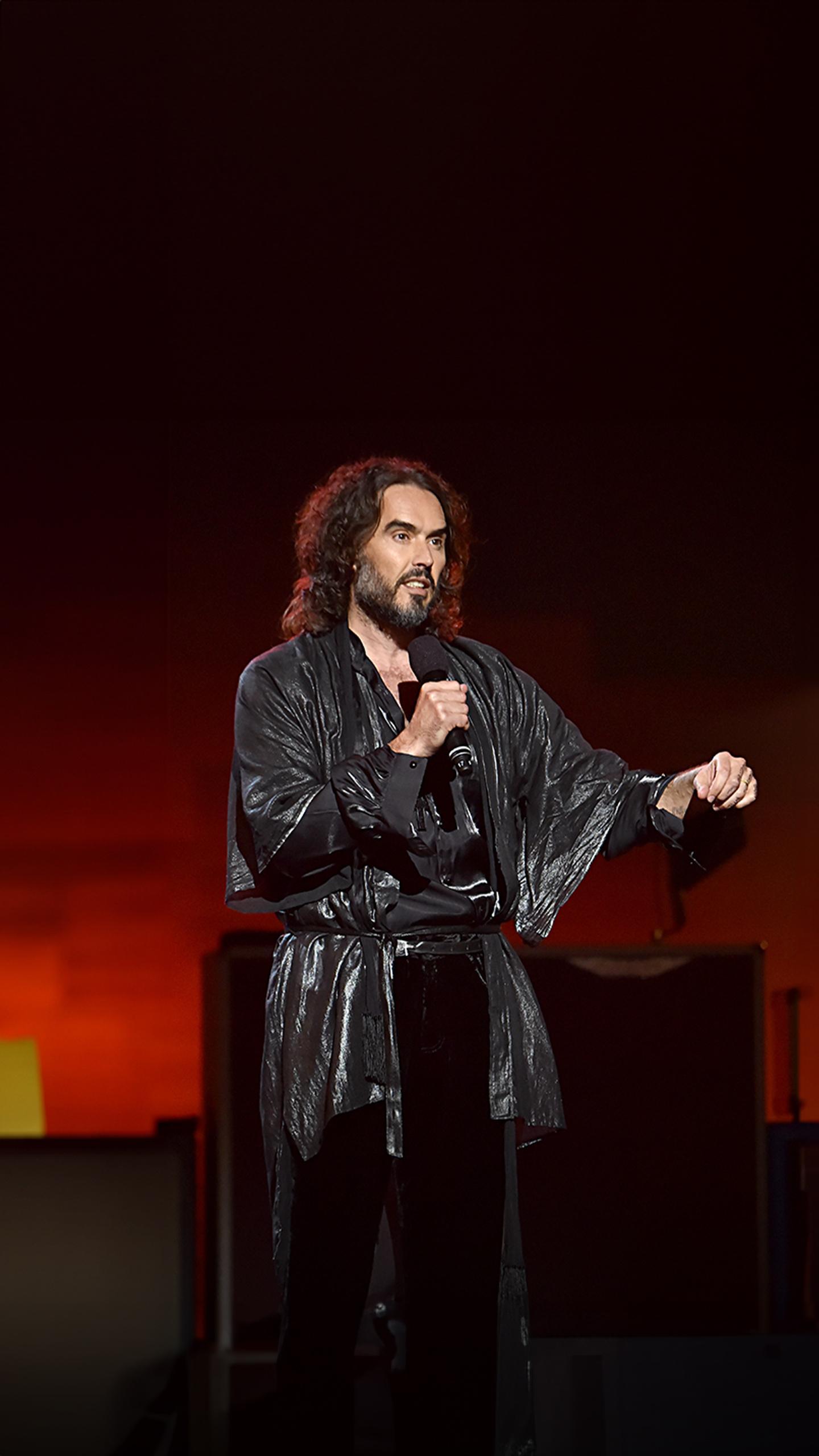
The entertainment industry is facing renewed scrutiny regarding its culture of acceptance and past failures to address celebrity sexual misconduct, following the conviction of Russell Brand for rape and sexual assault.
Brand was sentenced to 10 years and six months in prison, with the judge labeling him a 'sexual predator' who exhibited 'staggering arrogance.' Lisa Nandy, the culture secretary, described the verdict as a 'wake-up call' for the industry, highlighting power imbalances in media and entertainment. Commentators noted the 'surreal' nature of the trial, which revisited the 'toxic nexus of pre-MeToo celebrity culture' from the late Nineties and Noughties, where powerful men often acted with impunity. The trial revealed how producers continued to book Brand and TV executives ignored complaints, raising questions about why his behavior was not stopped sooner.
Why It's Important?
This conviction is a pivotal moment for the entertainment industry, potentially forcing a reckoning with its long-standing issues of power dynamics and accountability. The 'wake-up call' articulated by Lisa Nandy suggests that the industry can no longer ignore allegations of misconduct, especially those that were previously considered 'open secrets.' This could lead to significant shifts in how talent is managed, how complaints are handled, and the overall ethical standards expected of public figures and their enablers. For victims, this verdict may offer a sense of justice and encourage more individuals to come forward, potentially leading to further revelations and legal actions. Economically, companies that fail to adapt to these changing expectations risk reputational damage, boycotts, and legal liabilities, impacting their bottom line and public trust. The call for employers to protect whistleblowers and for media companies to join independent standards authorities indicates a move towards more formalized and transparent accountability mechanisms.
What's Next?
Following Russell Brand's conviction, the entertainment industry is expected to face increased pressure to implement stricter accountability measures. Lisa Nandy has urged employers to protect whistleblowers and called on media companies to join the Creative Industries Independent Standards Authority, which provides a mechanism for reporting harassment and abuse. One prominent TV producer, implicated in the court proceedings for laughing during a sexual assault by Brand in 2009, has already 'stepped back' from his current production job, indicating immediate consequences for those who enabled such behavior. More women are anticipated to come forward with allegations, which could lead to further investigations, legal actions, and a broader re-evaluation of past practices within the industry. The focus will be on whether these calls for change translate into concrete actions and systemic reforms.
Beyond the Headlines
The Russell Brand conviction extends beyond individual culpability, exposing the systemic failures and cultural norms that allowed such behavior to persist within the entertainment industry for decades. It highlights the 'staggering degree of enabling' by staff, colleagues, and executives who prioritized commercial interests over ethical conduct and the safety of individuals. This case serves as a stark reminder of the 'pre-MeToo' era's toxic environment, where celebrity status often shielded perpetrators from consequences. The public's role in 'laughing along' to problematic content is also being questioned, suggesting a collective responsibility in perpetuating such cultures. This development could trigger a deeper societal reflection on how power is wielded and challenged in various public spheres, potentially influencing ethical guidelines and corporate governance across industries.