
What's Happening?
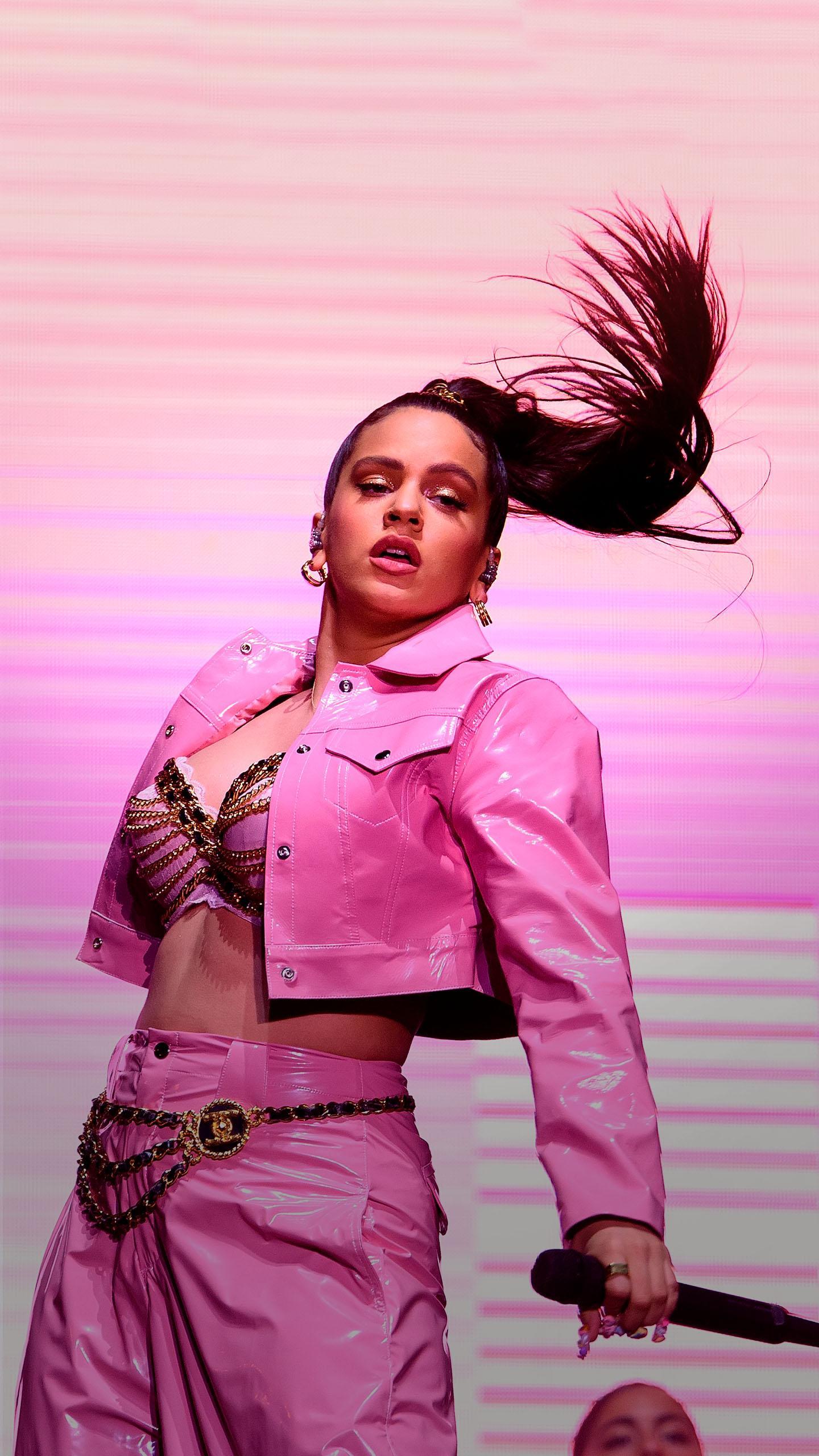
Rosalía recently commented 'ok banger' on a TikTok post by her ex-fiancé, Rauw Alejandro, promoting his new song 'Tremendo Desastre,' a collaboration with Myke Towers. This interaction occurred three years
after the couple ended their engagement. Alejandro had posted a clip of himself performing the song in an empty stadium suite, with lyrics that translate to 'Baby, send me a sign' and 'I haven't stopped dreaming about you.' Rosalía's comment was subsequently liked by Alejandro. The title of Alejandro's new song, 'Tremendo Desastre,' has drawn attention from fans who believe it references a lyric from Rosalía's own song 'La Perla,' which states, 'Tremendo desastre, dirá que no fue él, que fue su doppelgänger' ('Major disaster / He’ll say it wasn’t him, that it was his doppelgänger'). This has led to fan speculation regarding whether Rosalía's comment was genuine praise or a sarcastic remark. The exchange also followed Alejandro sharing an Instagram story featuring Rosalía's girlfriend, French model Loli Bahia, in a Saint Laurent advertisement, in which both Alejandro and Bahia are models.
Why It's Important?
This public interaction between Rosalía and Rauw Alejandro is significant within the music and entertainment industry as it reignites interest in their past relationship and potential ongoing dynamics. For fans, it provides new material for discussion and interpretation, influencing public perception of both artists. The potential lyrical reference in 'Tremendo Desastre' to Rosalía's 'La Perla' adds a layer of intrigue, suggesting a narrative connection between their works that could be intentional or coincidental. Such interactions often generate considerable media attention, boosting the visibility of the artists and their new music. It also highlights the evolving nature of celebrity relationships in the age of social media, where public comments can be dissected and debated by a global audience, impacting artists' public images and fan engagement. The interplay between personal lives and artistic output remains a compelling aspect of celebrity culture, influencing how music is received and interpreted.
What's Next?
The interaction between Rosalía and Rauw Alejandro could lead to further speculation and discussion among fans and media outlets regarding the nature of their current relationship. Both artists are expected to attend the upcoming 69th Grammy Awards, where Rosalía has nine nominations and Alejandro is nominated for Best Música Urbana Album for 'Cosa Nuestra: Capítulo 0.' A potential encounter at this high-profile event could generate significant media coverage and further public interest. The ongoing debate among fans about the meaning behind Rosalía's comment and the song's title may continue to fuel online discussions and fan theories. Future releases from either artist might be scrutinized for any perceived references or responses to this recent exchange. The music industry will likely monitor the public's reaction, as such high-profile interactions can influence streaming numbers, social media engagement, and overall artist visibility.
Beyond the Headlines
Beyond the immediate buzz, this interaction underscores the complex interplay between artists' personal lives and their public personas, particularly in the digital age. The use of song titles and lyrics as potential veiled messages or responses adds a layer of artistic interpretation that blurs the lines between personal expression and public performance. This phenomenon can create a continuous narrative around artists, where every public action or artistic choice is viewed through the lens of their personal history. It also highlights the power of social media in shaping public discourse and fan engagement, allowing direct, albeit often ambiguous, communication between celebrities and their audiences. The debate over whether Rosalía's comment was sincere or sarcastic reflects a broader cultural trend of dissecting celebrity interactions for deeper meaning, often projecting fan desires or interpretations onto public figures. This dynamic can influence how artists craft their public image and manage their narratives in an increasingly interconnected world.