



What's Happening?
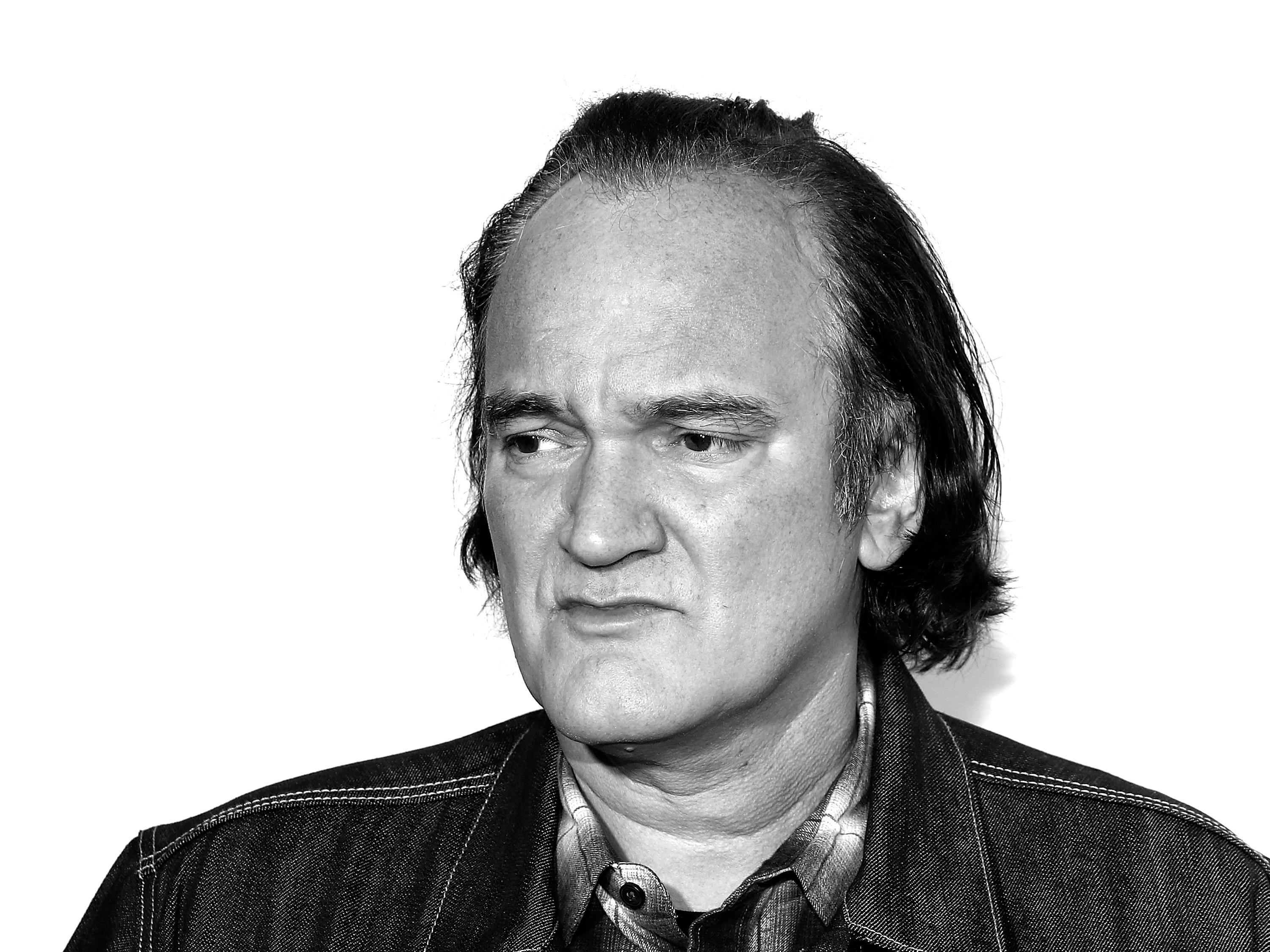
Quentin Tarantino, in Jay Glennie’s new book 'The Making of Quentin Tarantino’s Inglourious Basterds,' has disclosed details regarding the initial firings of actresses Mélanie Laurent and Isabelle Huppert
from his 2009 film 'Inglourious Basterds.' Laurent, who ultimately played the lead role of Shosanna Dreyfus, was initially fired after a 'terrible' table read. She subsequently convinced Tarantino to rehire her after expressing her passion and commitment to the role, undergoing three days of rehearsal. Isabelle Huppert was also fired, and her role as Madame Ada Mimieux was given to Maggie Cheung. Tarantino stated that Huppert 'didn’t show up' to the table read and there were contractual issues. Ultimately, the scenes involving Madame Ada Mimieux were cut from the final film, as Tarantino felt they over-explained Shosanna's backstory. 'Inglourious Basterds' premiered at the Cannes Film Festival in May 2009, where Christoph Waltz won best actor honors, and went on to gross $321 million worldwide.
Why It's Important?
This revelation offers a rare glimpse into the demanding and often ruthless casting process of a high-profile Hollywood director like Quentin Tarantino. It underscores the intense pressure actors face during pre-production, where a single performance, such as a table read, can determine their involvement in a major film. For aspiring actors, it highlights the importance of not only talent but also resilience and proactive engagement in securing and retaining roles. The incident with Isabelle Huppert also points to the critical nature of contractual agreements and professional conduct, such as attendance at mandatory readings, in the film industry. The director's philosophy, 'I don’t owe them shit. I owe my film the best actors I can find. Period,' reflects a results-driven approach common in competitive creative fields, where the artistic vision often takes precedence over individual relationships. This insight into Tarantino's methods could influence how other filmmakers approach casting and pre-production, emphasizing a strict adherence to performance and commitment.
What's Next?
The release of Jay Glennie’s book, 'The Making of Quentin Tarantino’s Inglourious Basterds,' is now available for purchase, providing further detailed accounts of the film's production. These revelations are likely to generate renewed discussion among film enthusiasts and industry professionals about Tarantino's directorial style and casting decisions. It may also prompt interviews or statements from Mélanie Laurent and Isabelle Huppert, offering their perspectives on the events. The book's insights could influence future film studies and analyses of Tarantino's work, particularly regarding his creative process and his interactions with actors. The candid nature of these disclosures might also set a precedent for other filmmakers to share more behind-the-scenes details of their productions, potentially leading to a greater transparency in the industry.
Beyond the Headlines
The candid account of Tarantino's casting decisions raises broader questions about power dynamics within the film industry and the ethical considerations of a director's authority. Tarantino's statement, 'I have no moral compass when it comes to giving roles to actors: They have to be right,' highlights a utilitarian approach where the artistic outcome is prioritized above all else. This perspective can be seen as both a strength, ensuring the highest quality production, and a potential point of contention, given the human element involved in creative work. The story also subtly touches upon the often-unseen labor and emotional investment actors put into securing roles, even before official production begins. The fact that Laurent fought to regain her role underscores the competitive nature of Hollywood and the personal sacrifices actors are willing to make for a significant opportunity. This narrative contributes to the ongoing discourse about the balance between artistic integrity and professional conduct in the entertainment sector.