
What's Happening?
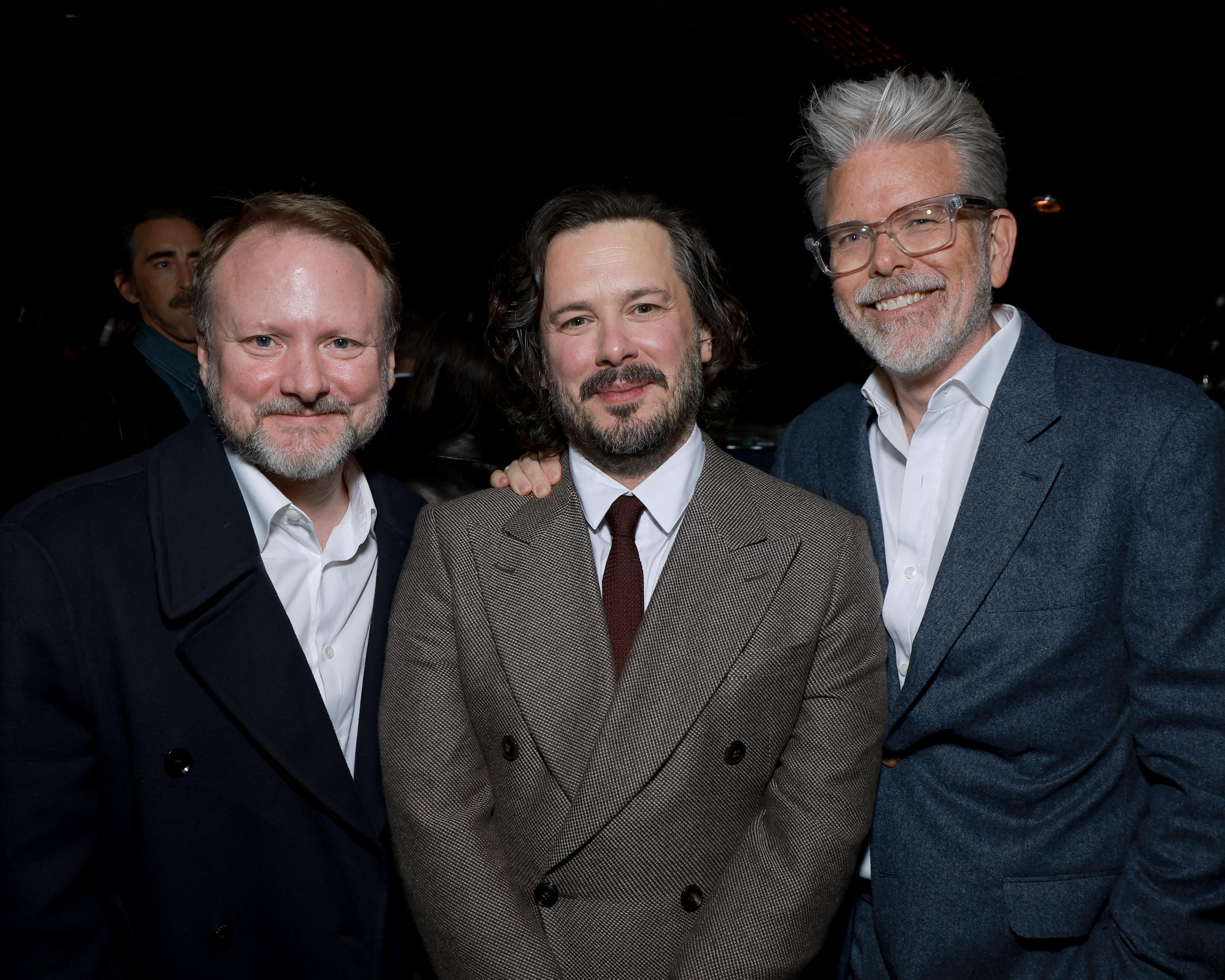
Filmmaker Rian Johnson has expressed optimism about the future of independent filmmaking, emphasizing the growing importance of online platforms like YouTube in discovering new talent. Speaking at the Marrakech
Film Festival, Johnson compared YouTube's current role to that of the Sundance Film Festival in the 1980s, serving as a vital avenue for emerging filmmakers to showcase their work. He specifically referenced the career trajectory of 27-year-old director Curry Barker, who gained recognition through his YouTube channel 'that’s a bad idea' and later achieved box-office success with his supernatural horror film 'Obsession.' Barker's found-footage horror film 'Milk & Serial,' made for $800, became a viral sensation on YouTube in 2024, leading to a deal with UTA in 2025 and a theatrical release for 'Obsession' in May 2026 after its premiere at the Toronto International Film Festival in 2025.
Why It's Important?
This development signifies a significant shift in the landscape of film discovery and distribution, offering new pathways for independent filmmakers to bypass traditional gatekeepers. The success stories of directors like Curry Barker and Kane Parsons, whose viral 'Backrooms' videos led to an A24 feature, demonstrate that online platforms can now serve as powerful incubators for talent, attracting Hollywood's attention and securing distribution deals. This trend democratizes access to the film industry, allowing creators with limited resources to reach a global audience and build a following. It challenges the conventional reliance on film festivals as the sole launchpads for indie careers, although Johnson acknowledges their continued importance. The rise of YouTube as a proving ground for filmmakers could lead to a more diverse range of voices and narratives entering mainstream cinema, potentially altering the types of films that get made and distributed.
What's Next?
The continued success of filmmakers emerging from online platforms like YouTube is likely to encourage more aspiring creators to utilize these digital avenues to develop and distribute their work. This could lead to increased investment from studios and production companies in scouting talent online, potentially establishing more formal pipelines from digital content creation to traditional filmmaking. Film festivals may adapt by integrating online content creators more actively into their programming or by collaborating with digital platforms to identify promising new voices. The industry will likely see further evolution in how films are financed, produced, and marketed, with a greater emphasis on digital engagement and audience building from the earliest stages of a project.
Beyond the Headlines
The phenomenon of YouTube-to-Hollywood success stories raises deeper questions about artistic validation and the evolving definition of 'professional' filmmaking. It blurs the lines between amateur and professional content creation, suggesting that raw talent and audience connection can be as valuable as traditional film school credentials or industry connections. This shift could also impact intellectual property rights and ownership models, as creators gain more control over their content and distribution. Furthermore, the emphasis on viral content and audience engagement on platforms like YouTube might influence narrative styles and thematic choices in independent cinema, potentially favoring more accessible or genre-specific content that resonates widely online. The long-term implications could include a more decentralized and creator-driven film industry, where individual artists have greater agency in shaping their careers and connecting directly with their audience.