



What's Happening?
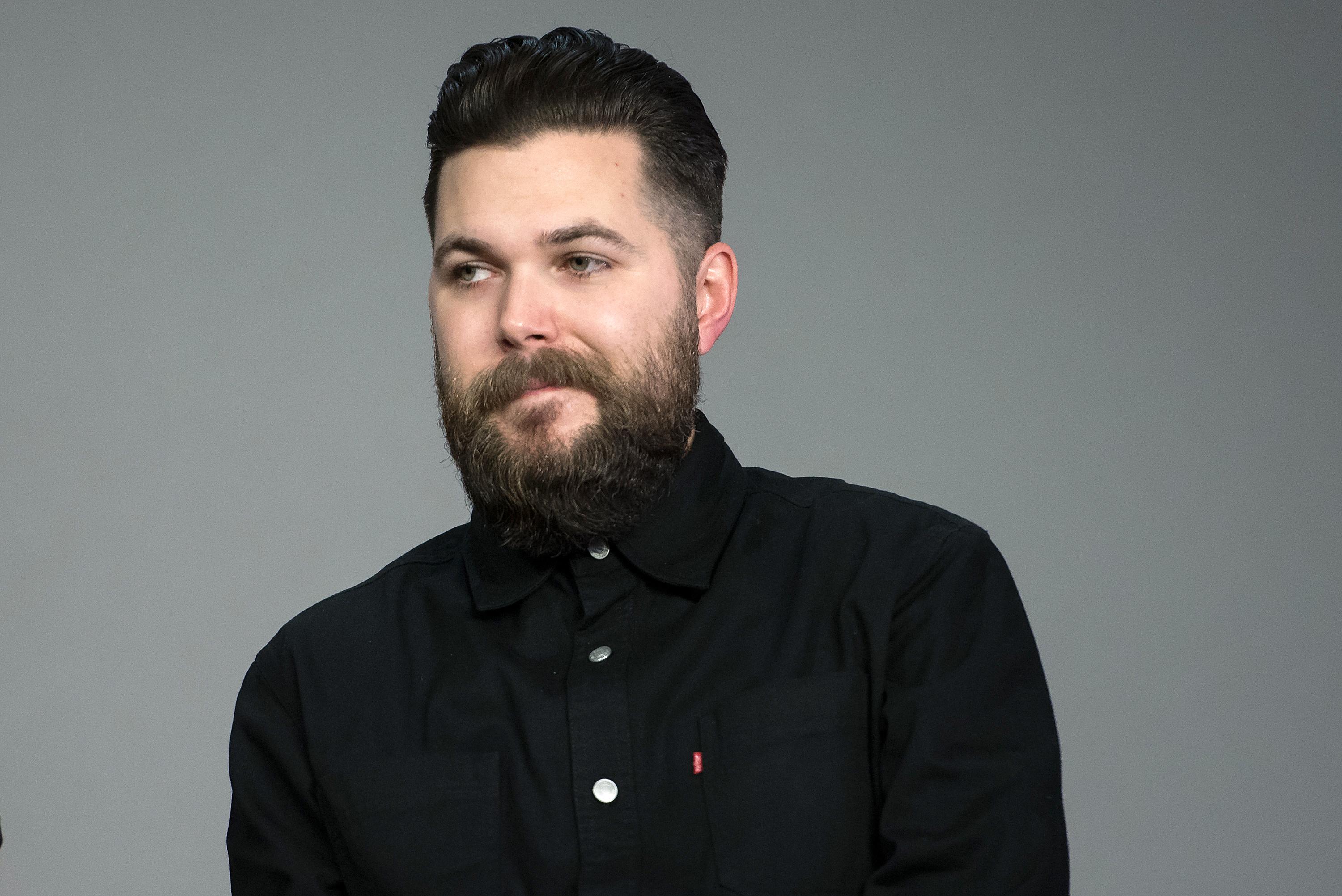
Filmmaker Robert Eggers, known for his dark and supernatural horror films, has announced his intention to take a break from the genre. This decision comes as he prepares for the release of his fifth and reportedly
darkest film, “Werwulf,” which is set to open in cinemas on Christmas Day. Eggers' previous works include “Nosferatu,” “The Northman,” “The Lighthouse,” and “The Witch.” He revealed in September that while writing another film after “Werwulf,” the project became so dark that he felt the need for a change. Consequently, he shifted his focus to developing a new adaptation of William Shakespeare’s “Romeo and Juliet.” During a recent Q&A session in Mexico, Eggers expressed his desire to explore genres beyond supernatural horror, stating he does not wish to continue being solely associated with the 'House of Horror' and needs a break from it.
Why It's Important?
This shift in focus by Robert Eggers is significant for the film industry and his audience. Eggers has cultivated a distinct style within the horror genre, characterized by historical accuracy, atmospheric tension, and psychological depth, earning him a dedicated following. His departure, even temporarily, could open doors for new creative directions, potentially bringing his unique storytelling approach to different genres. For fans of his work, it signals an evolution in his artistic journey, offering the prospect of diverse cinematic experiences. For the broader film landscape, it highlights a director's willingness to challenge genre expectations and avoid being typecast, which could inspire other filmmakers to explore new creative territories. This move also suggests a potential for a fresh interpretation of a classic like “Romeo and Juliet,” viewed through Eggers' distinctive lens.
What's Next?
Following the release of “Werwulf” on Christmas Day, Robert Eggers is expected to proceed with his new adaptation of William Shakespeare’s “Romeo and Juliet.” This project marks a significant departure from his established horror filmography and will be a key indicator of his versatility as a director. The reception of “Romeo and Juliet” will likely influence his future creative choices and whether he fully commits to exploring other genres or eventually returns to horror. Additionally, Eggers has been previously linked to a sequel for “Labyrinth,” though the status of that project remains unclear. His immediate future will involve the promotion of “Werwulf” and the development of his Shakespearean adaptation, signaling a new chapter in his filmmaking career.
Beyond the Headlines
Robert Eggers' decision to step away from horror, even temporarily, raises interesting questions about artistic identity and the pressures of genre filmmaking. Directors who achieve success in a specific genre often face expectations from studios and audiences to continue producing similar content. Eggers' move to a classic like “Romeo and Juliet” could be seen as an attempt to assert artistic independence and demonstrate a broader range of storytelling capabilities. This could also influence how audiences perceive genre directors, encouraging a more open-minded approach to their diverse creative endeavors. Furthermore, his exploration of a well-known literary work like “Romeo and Juliet” could lead to a re-evaluation of how classic texts are adapted for contemporary cinema, potentially infusing them with the same meticulous detail and atmospheric quality that define his horror films.