
What's Happening?
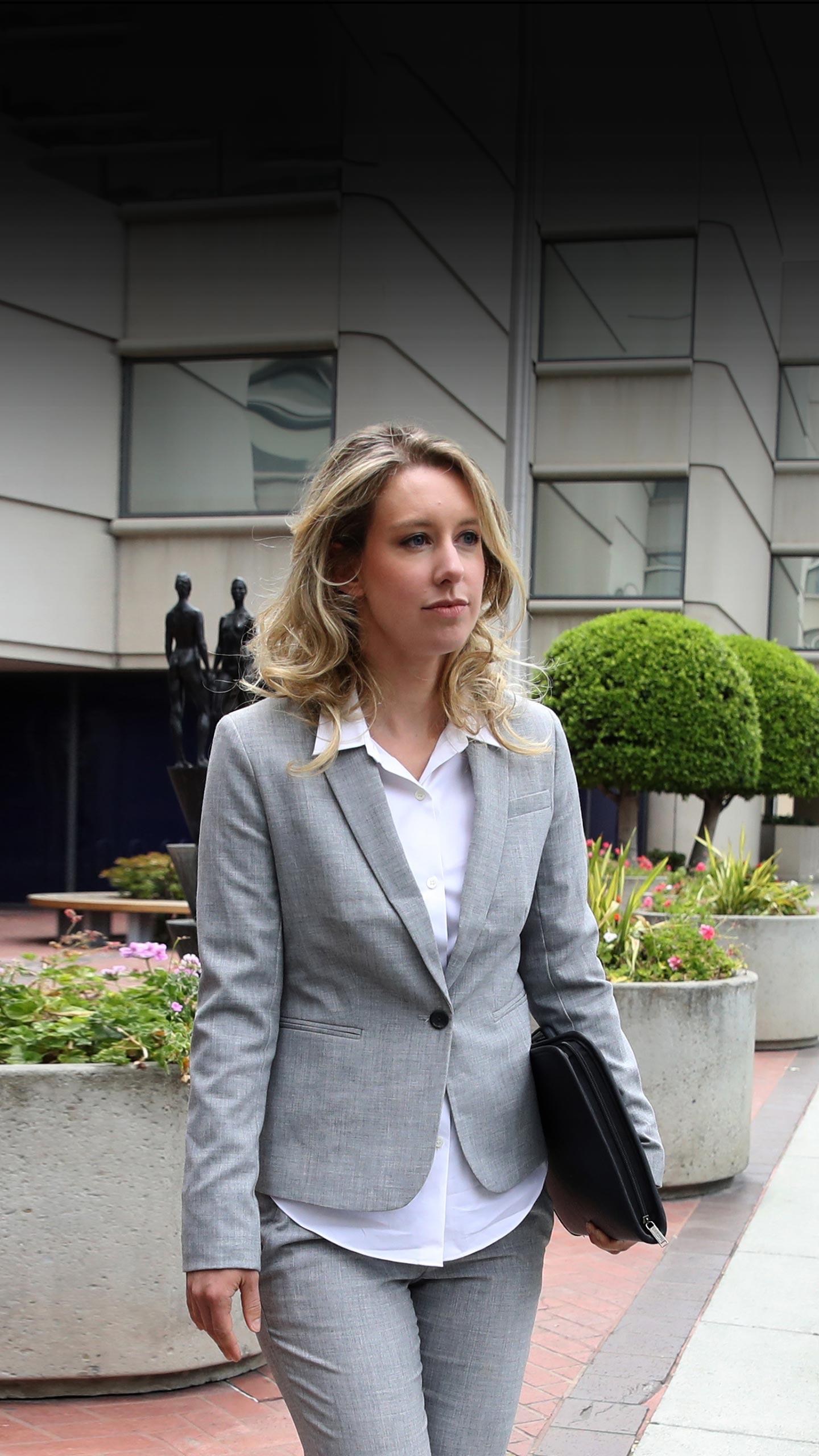
Nathan Fielder's documentary, 'You Can See Everything,' focusing on Elizabeth Holmes, has achieved a significant box office milestone, surpassing $100 million in worldwide ticket sales. The film, which
began its theatrical run in October, earned over $93.4 million domestically and an additional $9 million internationally, bringing its global total to $102 million. This performance places it as the sixth highest-grossing documentary worldwide of all time. Directed by Fielder and Noah Oppenheim, the documentary chronicles Holmes's life leading up to her federal prison sentence for defrauding Theranos investors. Following its successful theatrical run, 'You Can See Everything' is now available for digital streaming via premium video on demand (PVOD) platforms such as Apple TV, Prime Video, and YouTube Movies & TV. Viewers can purchase the film for $24.99 or rent it for 48 hours for $19.99.
Why It's Important?
The commercial success of 'You Can See Everything' highlights a growing audience appetite for documentary films, particularly those that delve into high-profile legal cases and controversial figures. Its strong box office performance challenges the notion that documentaries have limited mainstream appeal, demonstrating their potential to attract significant theatrical audiences. The film's transition to PVOD platforms also underscores the evolving distribution landscape in the entertainment industry, where studios are increasingly leveraging digital releases to maximize reach and revenue after initial theatrical windows. This hybrid release strategy allows films to tap into both traditional cinema-goers and those who prefer at-home viewing, broadening accessibility and potentially increasing overall viewership. The film's critical acclaim, with high scores on Rotten Tomatoes, further solidifies its impact as a significant cultural and cinematic event.
What's Next?
The availability of 'You Can See Everything' on digital platforms is expected to further expand its audience reach, potentially increasing its overall revenue and cultural impact. As the film becomes more accessible, it may generate renewed discussions and analyses of Elizabeth Holmes's case and the broader implications of corporate fraud and media portrayal. The film's success could also influence future documentary filmmaking, encouraging more studios to invest in and widely release non-fiction narratives with compelling subjects. Furthermore, its strong performance in both theatrical and digital markets may serve as a model for other filmmakers and distributors considering hybrid release strategies, especially for documentaries that garner significant public interest.
Beyond the Headlines
The documentary's exploration of Elizabeth Holmes's psyche and the events surrounding Theranos delves into complex themes of ambition, deception, and public perception. Its success reflects a societal fascination with narratives of rise and fall, particularly within the tech industry. The film's ability to generate significant box office revenue and critical discussion also raises questions about the nature of documentary filmmaking itself, as critics have noted Fielder's unique approach to the genre. This could lead to broader conversations about the ethical responsibilities of documentarians, the portrayal of real-life figures, and the blurred lines between objective reporting and artistic interpretation. The film's impact on 'meme culture' also indicates its resonance beyond traditional cinematic circles, suggesting a deeper engagement with its subject matter across various digital platforms.