

What's Happening?
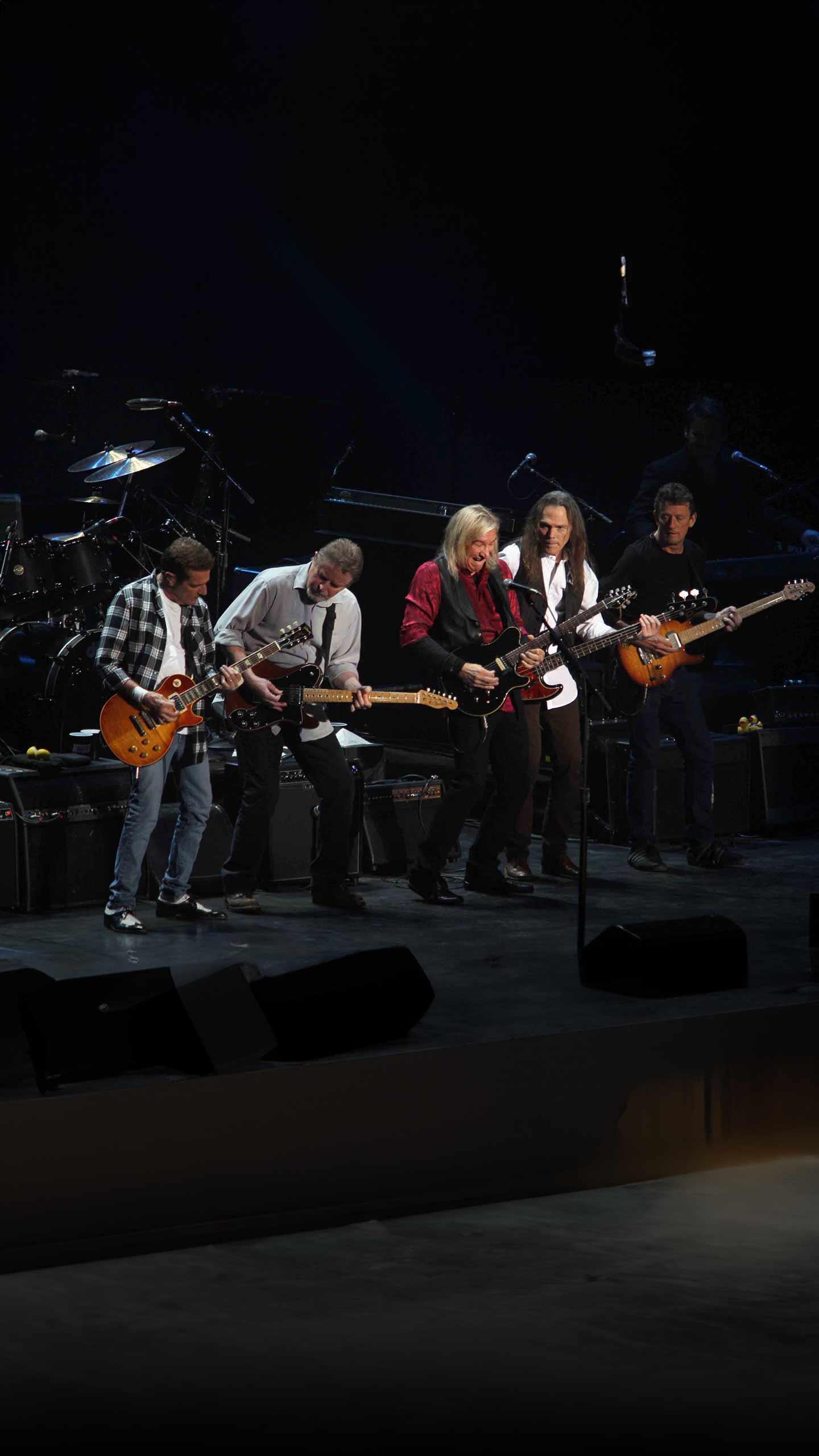
A criminal trial in Manhattan concerning the ownership of handwritten lyrics for the Eagles' iconic song 'Hotel California' has collapsed mid-trial. Rare-book dealer Glenn Horowitz, former Rock & Roll
Hall of Fame curator Craig Inciardi, and memorabilia auctioneer Edward Kosinski were accused of conspiring to possess and sell pages they allegedly knew Don Henley considered stolen. The lyrics, valued at over $1 million, originated from an authorized Eagles biography project in 1979. Writer Ed Sanders, who was given access to the drafts for research, later sold them to Horowitz around 2005. Henley only discovered the pages were missing when they appeared for sale and even repurchased some for $8,500. The case was dropped by prosecutors in March 2024 after delayed disclosures of approximately 6,000 pages of communications from Henley and his lawyers, which the defense argued contained relevant information they should have had earlier. A judge found that Henley's legal team had used attorney-client privilege to obscure information.
Why It's Important?
This case highlights significant issues within the memorabilia market, intellectual property rights, and the legal complexities surrounding the ownership of creative works. The collapse of the criminal trial due to disclosure issues raises questions about legal ethics and the transparency required in such high-profile cases. For artists, it underscores the challenges of maintaining control over their original works, especially when they are shared for research or other purposes. The ongoing dispute over the 'Hotel California' lyrics could influence how artists and their estates manage their archives and how memorabilia dealers conduct their business, potentially leading to stricter provenance requirements. The case also brings attention to the valuation of such artifacts and the potential for disputes when their origins are unclear or contested.
What's Next?
Despite the dismissal of the criminal charges, the legal battle over the 'Hotel California' lyrics is far from over. Don Henley's lawyer has indicated a continuation of the fight in civil court, and Henley has already sued to reclaim the pages. As of November 2025, the lyric sheets remain in the custody of the Manhattan District Attorney's office, awaiting a decision on their rightful owner. This suggests a prolonged civil litigation process where both sides will present their claims to ownership. The outcome of this civil case could set precedents for similar disputes involving artists' original works and memorabilia. It will also determine the ultimate fate of these valuable historical documents, impacting their potential sale or display.
Beyond the Headlines
Beyond the immediate legal wrangling, this case touches upon the broader cultural significance of artistic artifacts and the ethics of their trade. The handwritten lyrics of 'Hotel California' are not just paper; they represent a tangible piece of music history, offering insight into the creative process of one of the most iconic songs. The dispute raises ethical questions about how such items are handled once they leave an artist's direct possession, especially when the original intent of their transfer was for research rather than sale. It also highlights the tension between the commercial value of memorabilia and its historical and artistic value. The judge's comments about the manipulation of prosecutors and the obfuscation of information by witnesses underscore deeper concerns about fairness and integrity within the legal system when high-stakes cultural assets are involved.