
What's Happening?
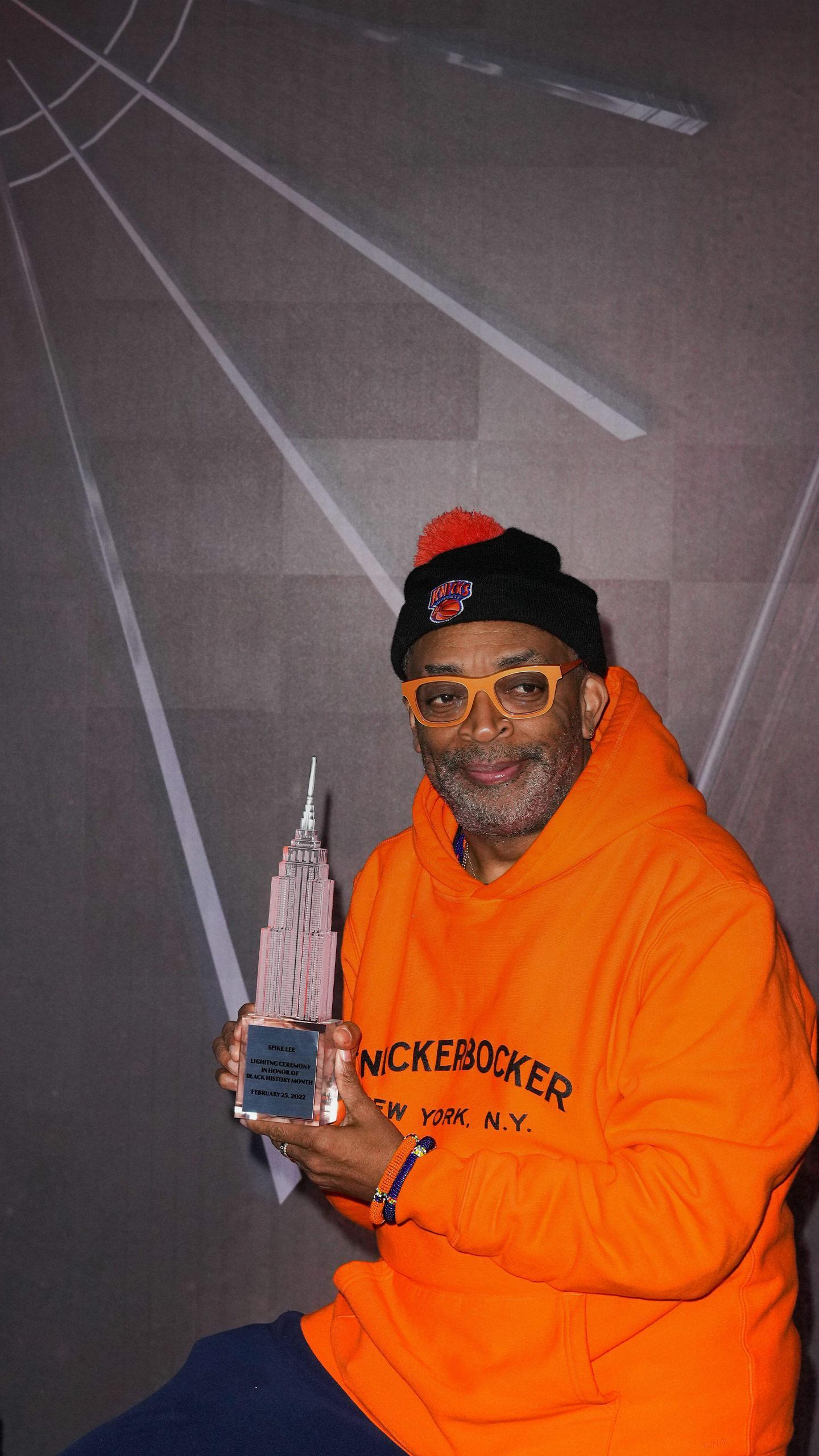
Iconic director Spike Lee, in collaboration with Brooklyn Nets owner Clara Wu Tsai and filmmaker Nicholas Ma, hosted the inaugural Playback: The Brooklyn Watch Party film festival at the Brooklyn Academy
of Music in Fort Greene. The event aimed to redefine the film festival experience by focusing on community engagement rather than industry prestige. The festival featured archival screenings, dynamic discussions, and community-organized activities, including an all-day street party with local organizations and artists. The opening night included a procession leading to a screening of Lee’s 1994 film “Crooklyn,” accompanied by a drum line and gospel choir. Curators for the event included musician Questlove, actor John Turturro, and social justice advocate Bryan Stevenson, all prominent Brooklyn figures, who selected films that sparked cultural discussions and highlighted contemporary issues through archival cinema.
Why It's Important?
This new film festival model, spearheaded by Spike Lee, is significant because it shifts the focus of film festivals from an industry-centric, exclusive model to a community-oriented, accessible one. By offering affordable tickets and integrating street parties and local talent, Playback aims to make cinema a more populist art form, fostering a shared cultural experience. This approach could inspire other film festivals to reconsider their structures, potentially democratizing access to film culture and strengthening local communities through shared artistic engagement. The involvement of influential figures like Questlove and Bryan Stevenson also underscores the festival's commitment to diverse perspectives and social relevance, potentially setting a new standard for how film festivals can connect with and reflect their audiences.
What's Next?
The success of the inaugural Playback: The Brooklyn Watch Party suggests a potential for future iterations and expansion. The organizers' emphasis on community and accessibility could lead to the festival becoming an annual event, further solidifying its role in Brooklyn's cultural landscape. Other cities and film organizations might observe this model and consider adopting similar community-focused approaches, potentially leading to a broader trend of more inclusive and locally integrated film festivals across the U.S. Continued involvement from high-profile curators and community leaders could also attract more diverse audiences and foster deeper engagement with cinematic art.
Beyond the Headlines
Beyond its immediate success, Playback: The Brooklyn Watch Party highlights a deeper cultural shift towards re-evaluating traditional institutions and making them more inclusive. In an era where digital streaming often isolates viewers, this festival champions the communal aspect of film-watching, reminding audiences of the power of shared experiences. It also subtly challenges the commercialization and elitism often associated with major film festivals, advocating for a return to cinema's roots as a popular art form. This initiative could foster a renewed appreciation for archival films and their relevance to contemporary issues, encouraging critical thinking and dialogue within communities.