

What's Happening?
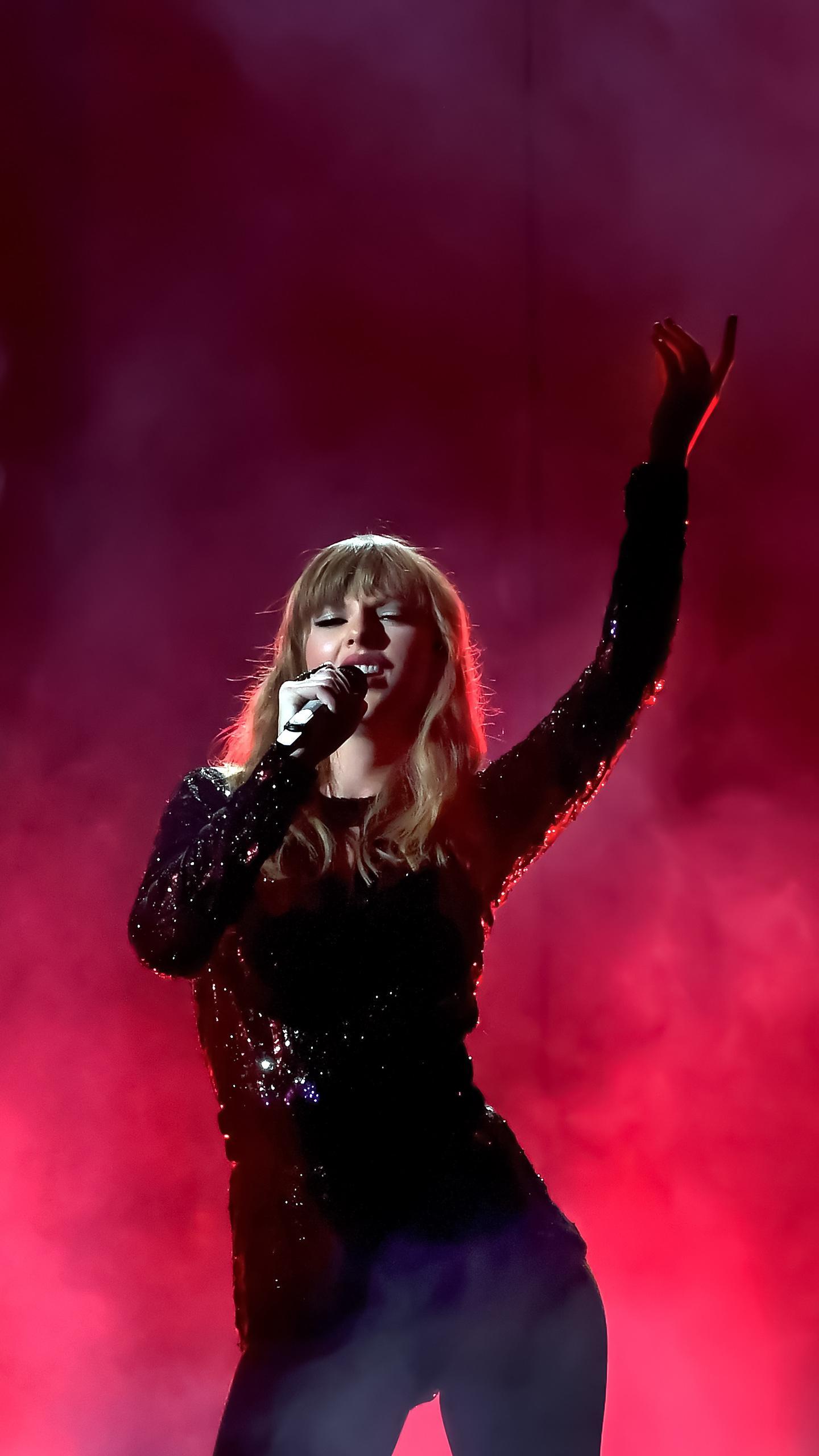
Taylor Swift recently participated in a virtual press conference for Golden Globe voters, where she highlighted the enduring value of human-created music. She specifically praised Olivia Dean’s album 'The
Art of Loving' and Rosalía’s 'Lux,' describing them as 'perfect albums' that she frequently revisits. Swift emphasized that these records resonate due to their human element and connection to personal experience, stating that 'human beings are still winning' in music creation. While not explicitly mentioning artificial intelligence, her comments addressed the broader conversation surrounding technology's role in music. This press conference was also part of an awards campaign for 'I Knew It, I Knew You,' a song she co-wrote with Jack Antonoff for 'Toy Story 5,' which is currently being considered for an Academy Award for Best Original Song. Swift has not yet received an Oscar nomination.
Why It's Important?
Taylor Swift's remarks carry significant weight within the music industry, particularly as discussions around artificial intelligence in creative fields intensify. Her vocal support for human artistry underscores a growing sentiment among artists and consumers about the irreplaceable value of human experience and emotion in music. This stance could influence public perception and industry practices regarding AI-generated content, potentially encouraging a greater appreciation for traditional songwriting and performance. Furthermore, her efforts to protect her voice and likeness through trademark filings in the U.S., UK, EU, and Australia highlight a proactive approach by artists to safeguard their intellectual property in an evolving technological landscape. The potential for 'I Knew It, I Knew You' to receive an Oscar nomination also brings attention to her continued artistic contributions beyond her mainstream pop career, showcasing her versatility as a songwriter.
What's Next?
The awards campaign for 'I Knew It, I Knew You' will continue, with the song vying for an Academy Award nomination for Best Original Song. A potential Oscar nomination would mark a significant milestone for Swift, adding another prestigious accolade to her career. Her ongoing efforts to trademark her voice and likeness suggest a continued focus on protecting her artistic identity in the face of technological advancements. These actions could set precedents for other artists seeking to control the use of their creative output. The broader conversation about AI in music is expected to evolve, with artists like Swift playing a crucial role in shaping public and industry perspectives on the balance between technological innovation and human creativity.
Beyond the Headlines
Swift's comments delve into the deeper philosophical implications of art in the age of artificial intelligence. Her assertion that human beings are 'still winning' in music creation speaks to the intrinsic human need for connection and authenticity in artistic expression. This perspective challenges the notion that AI can fully replicate the nuanced emotional depth and personal experience embedded in human-made art. The legal actions she has taken to protect her voice and likeness also highlight the complex ethical and legal questions surrounding intellectual property in a digital world where AI can mimic and generate content. This ongoing dialogue will likely shape future legislation and industry standards regarding AI's role in creative industries, emphasizing the importance of distinguishing between human and machine-generated works.