


What's Happening?
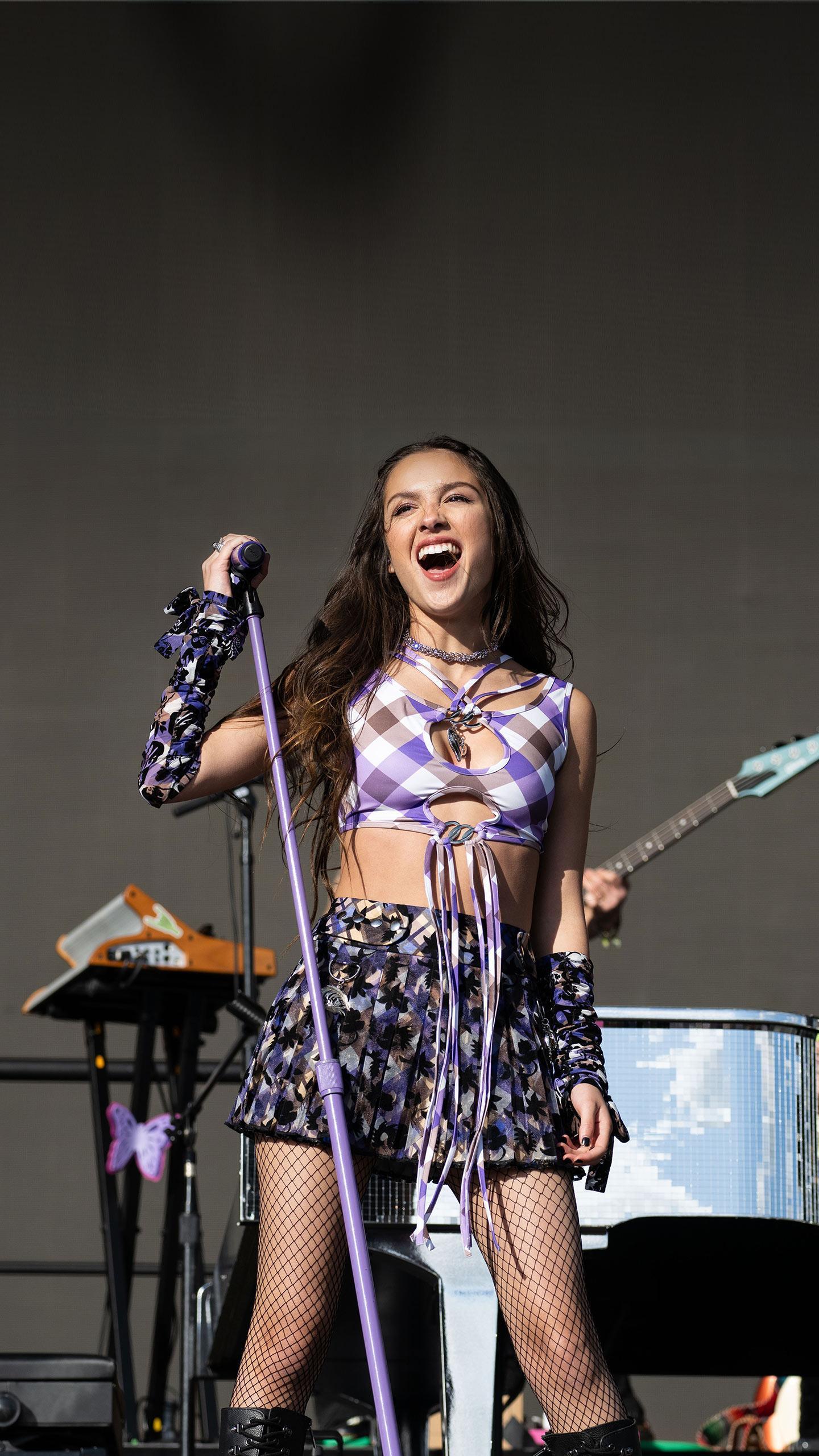
British rock star Robbie Williams has publicly defended Filipino-American singer Olivia Rodrigo against claims that her recently released holiday song, "Take Me Home (4 Christmas)," copied his 2012 track,
"Candy." Rodrigo's new song, her first holiday single, prompted listeners to point out similarities to Williams's work. Williams addressed these allegations in a lengthy Instagram post, dismissing them as "bollocks" and "ambulance chasing." He emphasized that with a finite number of musical notes and chords, artists are bound to create similar-sounding pieces inadvertently. Williams expressed his admiration for Rodrigo, stating he is a fan and that he would not pursue any action against her, advocating for sanity in such disputes. He also criticized the tendency to scrutinize every vaguely familiar sequence of notes as potential theft, arguing it stifles creativity.
Why It's Important?
This incident highlights ongoing debates within the music industry regarding intellectual property, originality, and the fine line between inspiration and alleged plagiarism. For artists like Olivia Rodrigo, who has a significant U.S. and international following, such accusations can impact public perception and career trajectory, regardless of their validity. Robbie Williams's vocal defense of Rodrigo, particularly his stance against what he terms "ambulance chasing," could influence how similar future disputes are perceived and handled. His argument that excessive scrutiny over musical similarities can "frighten the creativity out of everyone" resonates with many artists who fear legal repercussions for unintentional resemblances. This situation also underscores the challenges of creating truly unique music in an industry with a vast catalog of existing works, potentially leading to more cautious creative processes or increased legal vigilance among artists and labels.
What's Next?
While Robbie Williams has clearly stated he will not pursue action against Olivia Rodrigo, the broader conversation about musical originality and copyright in the digital age is likely to continue. This event may encourage other established artists to speak out on similar issues, potentially shaping industry norms around intellectual property disputes. For Olivia Rodrigo, Williams's backing could help mitigate any negative public sentiment generated by the copying claims, allowing her to focus on her music. The incident might also prompt a re-evaluation of how music similarities are assessed, moving towards a more nuanced understanding that distinguishes between genuine theft and accidental resemblances. Future releases from artists, especially those with high profiles, may face increased scrutiny from listeners and critics looking for similar patterns.
Beyond the Headlines
The controversy surrounding Olivia Rodrigo's new song touches upon deeper ethical and cultural dimensions within the music world. Williams's comment about artists standing "on the shoulders who came before us" speaks to the evolutionary nature of art, where new creations often build upon or subtly echo past works. The challenge lies in defining where homage or unconscious influence ends and outright appropriation begins. This debate is not new, but it gains renewed relevance with each high-profile case, especially in an era where music is easily accessible and comparisons can be made instantly. The "ambulance chasing" phenomenon Williams describes also points to a potentially litigious environment where legal action is sometimes prioritized over artistic understanding, potentially stifling innovation and fostering a culture of fear among emerging artists. This situation could lead to a broader discussion on reforming copyright laws to better balance protection for creators with the natural progression of artistic expression.