


What's Happening?
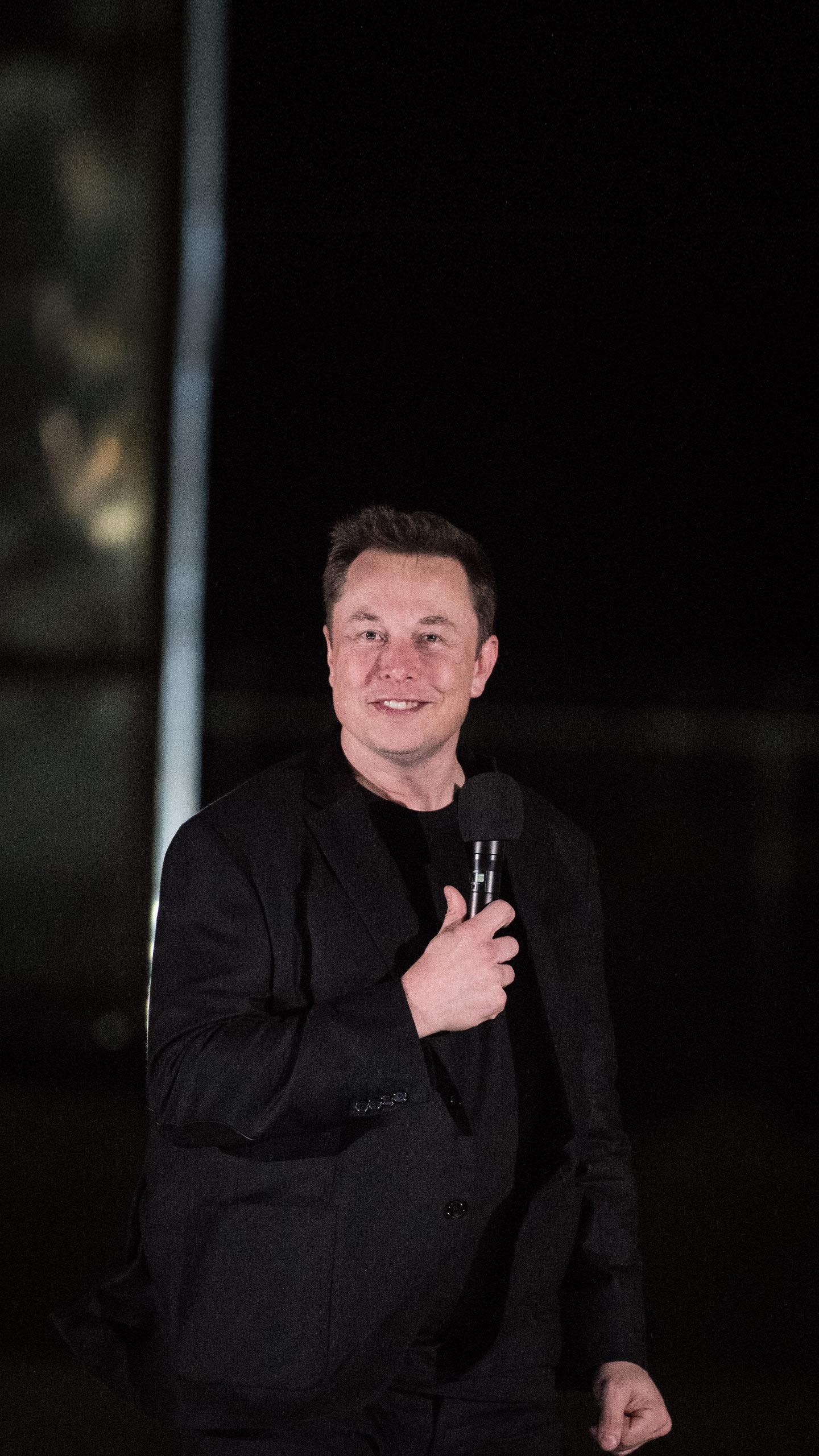
Elon Musk, CEO of Tesla and SpaceX, publicly criticized 'Saturday Night Live' (SNL) following a recent sketch that satirized tech billionaires. The sketch, which aired on November 14, featured Jeremy Culhane
portraying Musk in a cold open depicting a CIA briefing for tech executives. Musk took to X (formerly Twitter) to rate Culhane's performance as himself a '5/10,' stating, 'They need to try harder.' He further expressed his general dissatisfaction with SNL's humor by posting a Venn diagram with barely overlapping circles labeled 'Humor' and 'SNL,' with the small intersection marked 'the good sketches.' The sketch, which has garnered approximately 5.6 million views on YouTube, also featured other cast members portraying figures like Mark Zuckerberg, Peter Thiel, and Sam Altman.
Why It's Important?
Elon Musk's public critique of 'Saturday Night Live' highlights the ongoing interplay between prominent public figures and satirical media. As a highly visible and often controversial figure, Musk's reaction to his portrayal can influence public perception of both himself and the show. His direct feedback, shared on a platform he owns, amplifies the discussion around the sketch and SNL's comedic effectiveness. This interaction underscores the power of satire to provoke reactions from its subjects and the broader audience, while also demonstrating how public figures can leverage social media to respond to media portrayals, shaping narratives in real-time. For SNL, such critiques, even negative ones, can contribute to its cultural relevance and generate further discussion around its content.
What's Next?
Musk's comments may prompt further discussion among SNL viewers and critics regarding the show's comedic quality and its portrayal of public figures. While SNL is unlikely to directly respond to Musk's critique, the feedback could subtly influence future sketches or portrayals of similar figures. The ongoing dialogue between public figures and satirical programs is a continuous cycle, with each side often using the other as material or a platform for commentary. This incident reinforces the dynamic relationship between media, celebrity, and public opinion, particularly in the age of social media where direct feedback is instantaneous and widely disseminated.
Beyond the Headlines
This incident touches upon broader themes of media representation, the nature of satire, and the public's perception of powerful individuals. Musk's reaction can be seen as part of a larger trend where public figures engage directly with media portrayals, sometimes attempting to control or influence their public image. The sketch itself, by satirizing tech billionaires, reflects societal anxieties and perceptions about wealth, power, and influence in the technology sector. The humor often derives from exaggerating perceived traits or behaviors, and the subject's reaction can either validate or challenge those perceptions. This exchange highlights the complex relationship between those in power and the media's role in holding them up for public scrutiny and amusement.