


What's Happening?
In 1975, Bruce Springsteen independently released the single 'Born to Run' to radio DJs, circumventing his record label's initial rejection of the song. Despite the label's disapproval, Springsteen and
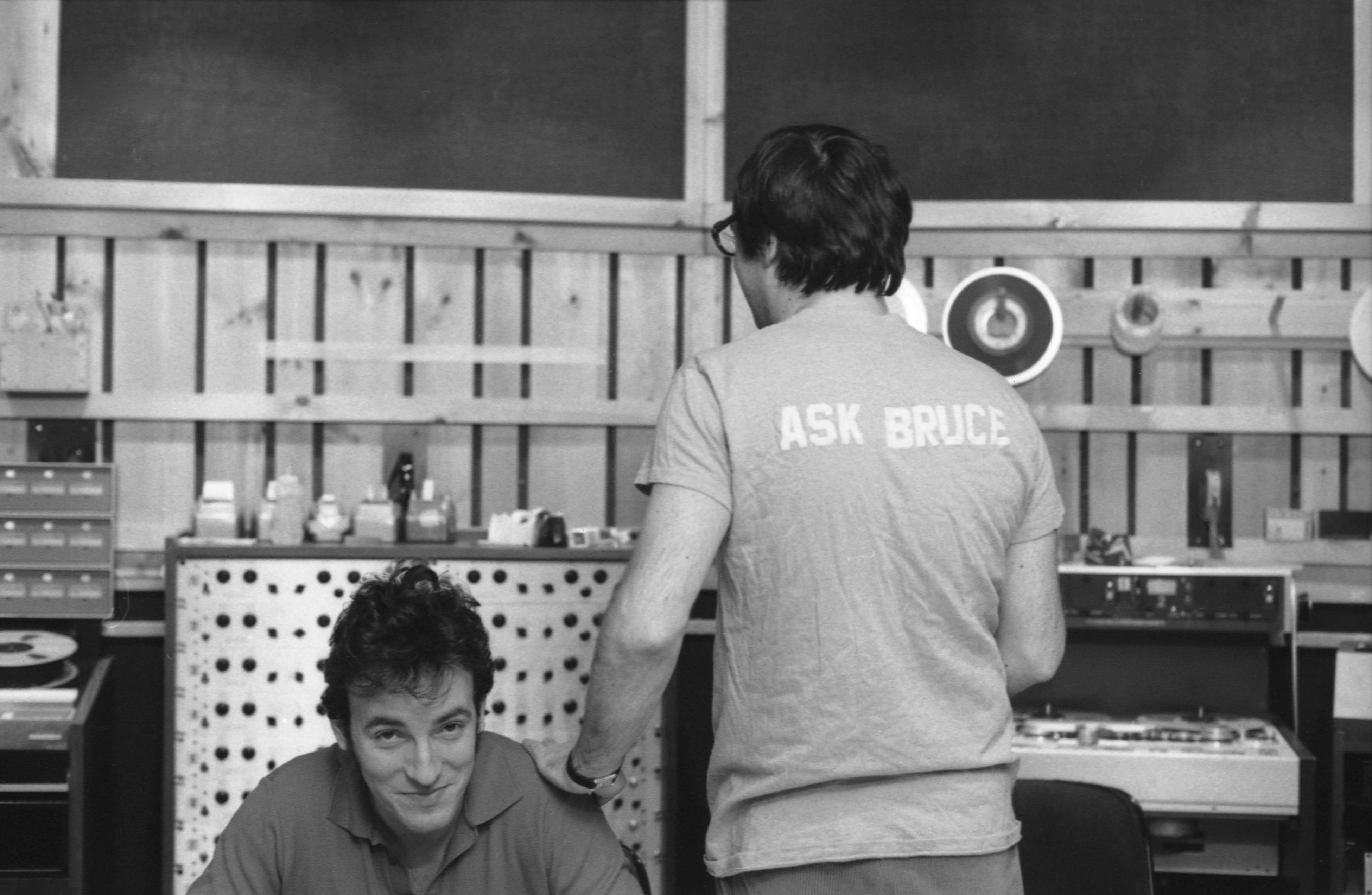
his manager, Mike Appel, believed in the track's potential. Appel took the single directly to DJs with whom they had established relationships. This move led to 'Born to Run' quickly reaching number one in Cleveland based solely on airplay, much to the record company's chagrin. Springsteen had invested significant time and effort into the album, working long hours in the studio with his E Street Band to perfect his vision, which aimed to combine the styles of Roy Orbison, Phil Spector, and Chuck Berry. The song's creation began with Springsteen playing guitar and the phrase 'born to run' coming to him, which he felt suggested a cinematic drama suitable for his music.
Why It's Important?
This act of defiance by Bruce Springsteen and his manager highlights a pivotal moment in music history, demonstrating an artist's determination to control their creative output against corporate resistance. The success of 'Born to Run' through independent radio promotion not only launched Springsteen into superstardom but also challenged the traditional power dynamics between artists and record labels. It showcased the influence of grassroots support and radio airplay in breaking new music, proving that an artist's vision could prevail even when initially dismissed by industry gatekeepers. This event solidified Springsteen's reputation as an artist deeply connected to his audience, willing to take risks to deliver music he believed in, ultimately shaping his iconic image as 'The Boss' and his connection to the 'open-road spirit' of his songs.
What's Next?
While the event occurred in 1975, its legacy continues to influence how artists approach their careers and interact with record labels. The success of 'Born to Run' paved the way for the album of the same name to capitalize on the single's momentum, becoming a critical and commercial triumph. This independent spirit has inspired countless musicians to explore alternative distribution and promotion methods, especially in the digital age. The story serves as a historical precedent for artists seeking greater autonomy and control over their work, encouraging them to trust their artistic instincts even when faced with industry skepticism. The song itself remains a signature anthem for Springsteen, frequently performed in his concerts and celebrated as one of his greatest works.
Beyond the Headlines
The 'Born to Run' incident transcends a simple music release; it embodies a narrative of artistic integrity and rebellion against commercial pressures. It underscores the often-contentious relationship between creative vision and business interests within the entertainment industry. Springsteen's decision to bypass his label can be seen as an early example of an artist leveraging direct connections with their audience and media to achieve success, a strategy that has become increasingly relevant in the age of social media and independent music platforms. This act also cemented the song's status as an anthem for the 'disenfranchised,' resonating with listeners who identify with the themes of escape and freedom, further enhancing its cultural impact beyond its musical merits.