
What's Happening?
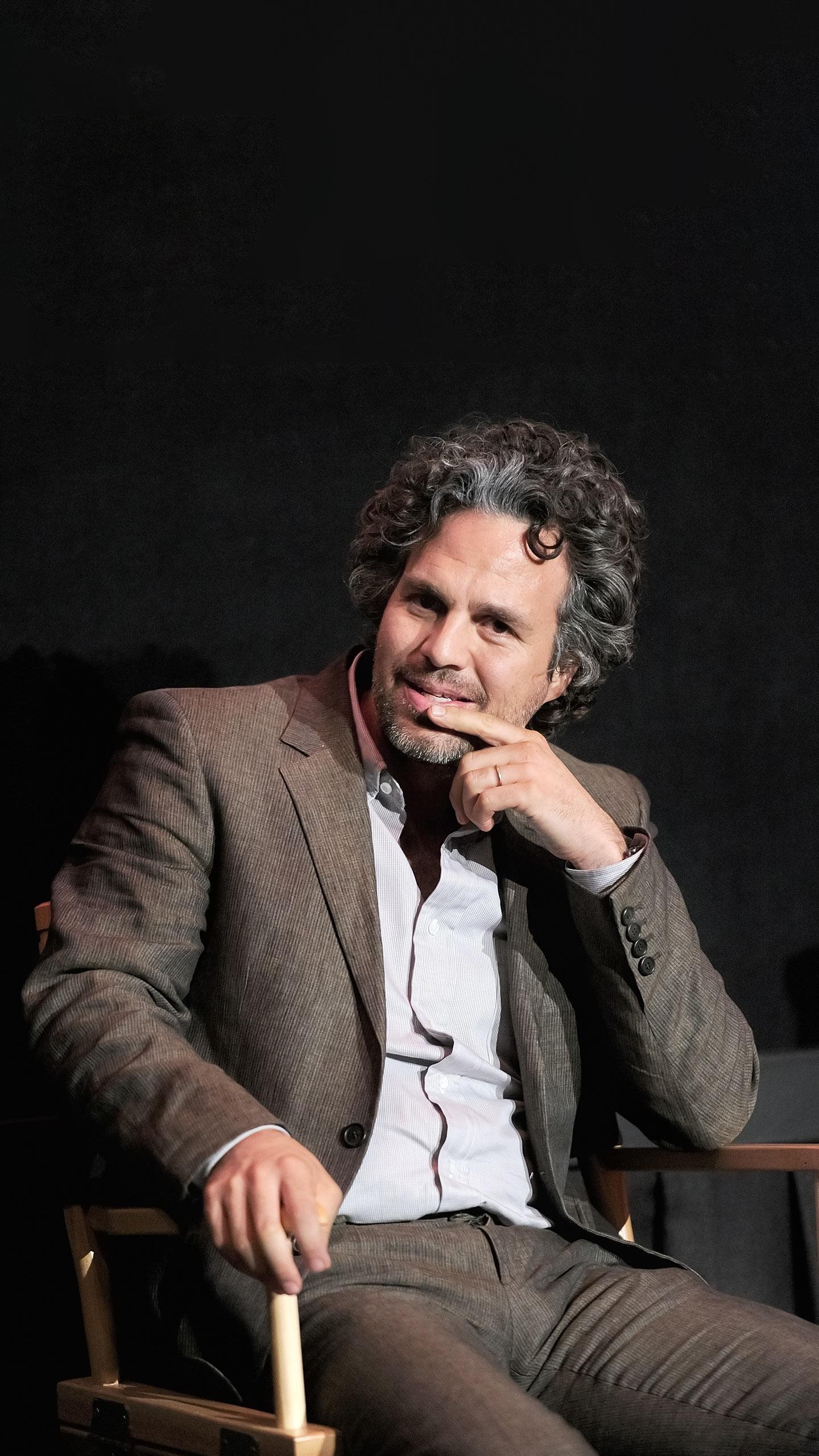
Actor Mark Ruffalo stars as Joseph Califano, the former Secretary of Health, Education, and Welfare, in the Apple TV film 'Being Heumann'. The movie chronicles the life of disability rights activist Judy
Heumann and the pivotal 1977 Section 504 sit-ins, which were instrumental in the fight for disability rights and laid groundwork for the Americans with Disabilities Act. Ruth Madeley plays Heumann in the film, which features an ensemble cast of over 20 disabled actors, emphasizing authentic representation. Califano's eventual signing of the Section 504 regulations followed sustained pressure from Heumann and other activists. Madeley expressed her admiration for Ruffalo and other co-stars, describing the experience as an 'actor's bucket list stuff'. The film aims to introduce Heumann's legacy and the broader disability rights movement to a new audience, with Madeley believing Heumann would be proud of the film's authentic casting and commitment to justice.
Why It's Important?
The film 'Being Heumann' is significant for bringing a crucial chapter of U.S. civil rights history to a wider audience, highlighting the struggles and triumphs of the disability rights movement. Mark Ruffalo's involvement as Joseph Califano, a key government official at the time, underscores the political and bureaucratic challenges faced by activists like Judy Heumann. The film's commitment to authentic casting, with a large number of disabled actors, sets a precedent for representation in Hollywood, potentially influencing future productions to adopt more inclusive casting practices. This authentic portrayal can foster greater understanding and empathy for the disabled community, challenging stereotypes and promoting a more inclusive societal perspective. The story itself reminds viewers of the persistent advocacy required to achieve legislative changes that ensure equal rights and access for all citizens.
What's Next?
The release of 'Being Heumann' on Apple TV is expected to spark renewed conversations about disability rights, authentic representation in media, and the historical context of disability activism in the U.S. The film's impact could extend to educational settings, serving as a resource for understanding the origins of disability rights legislation. Industry discussions may continue regarding the importance of casting disabled actors in roles, both those specifically written for disabled characters and those that are not. The film's success could encourage more studios and streaming platforms to invest in stories that highlight marginalized communities and their historical contributions, potentially leading to a broader range of inclusive narratives in mainstream media. Activist groups may also leverage the film's release to further advocate for ongoing disability rights issues.
Beyond the Headlines
Beyond its immediate narrative, 'Being Heumann' delves into deeper implications concerning societal perceptions of disability and the ethical responsibilities of media representation. The film's authentic casting challenges the long-standing practice of non-disabled actors portraying disabled characters, raising questions about who gets to tell certain stories and the impact of such choices on audience perception and the disabled community. It highlights the often-overlooked vulnerability and humanity of historical figures, moving beyond their public personas as fierce activists. The film also implicitly critiques the slow pace of systemic change, as the struggles depicted in the 1970s still resonate with contemporary issues faced by disabled individuals. This historical reflection encourages a critical examination of how far society has truly come in achieving full inclusion and equality, and what work remains to be done.