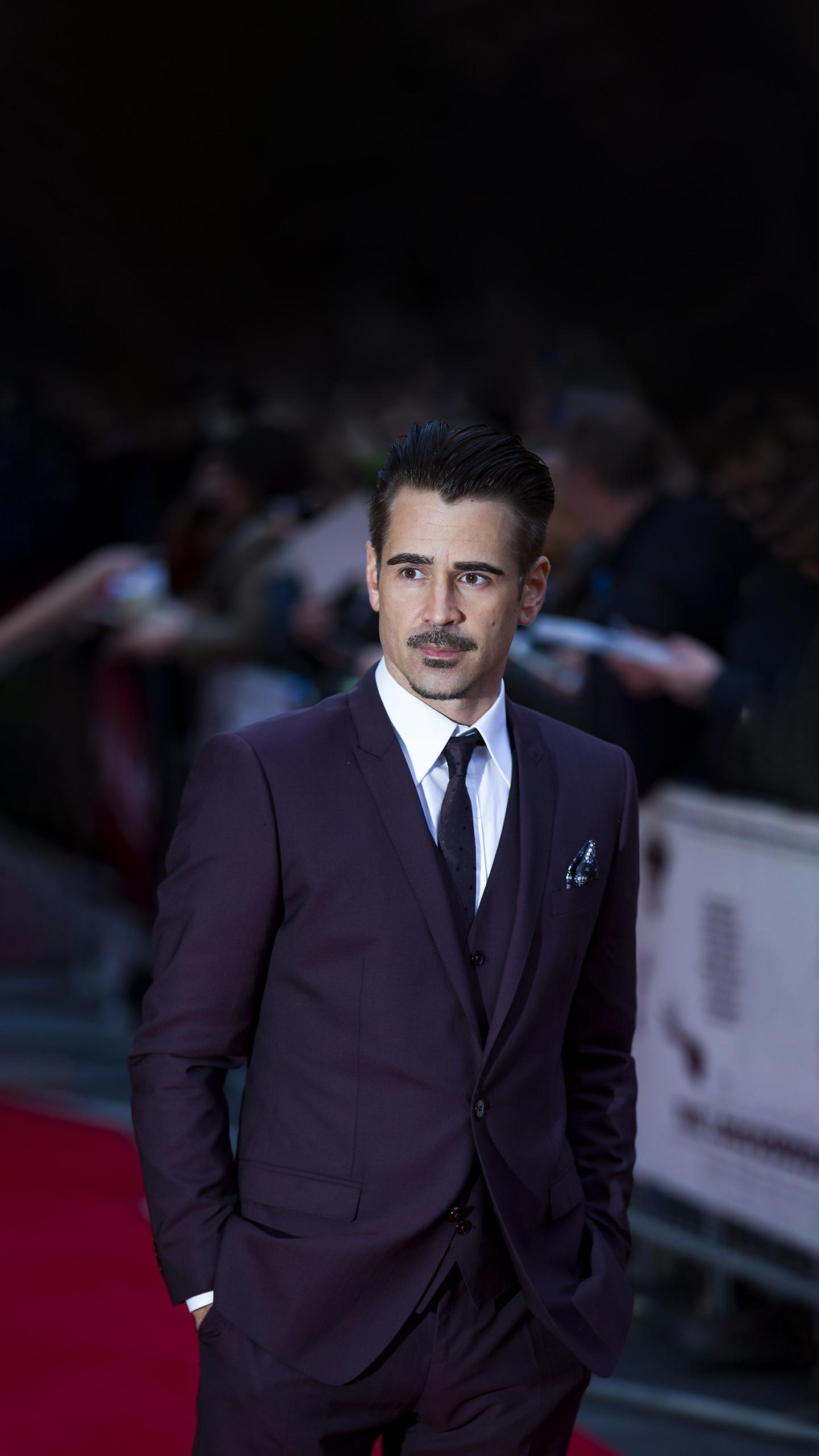



What's Happening?
Actor Colin Farrell experienced considerable difficulties during the production of two major films in the mid-2000s: Oliver Stone's 2004 historical epic 'Alexander' and Michael Mann's 2006 adaptation of 'Miami
Vice'. 'Alexander' reportedly flopped at the box office and was described by Farrell as 'painful' to make. Less than a year later, 'Miami Vice' faced numerous obstacles. Filming locations in South America and the Caribbean were severely impacted by hurricanes Katrina, Rita, and Wilma. Additionally, the production was plagued by issues with co-star Jamie Foxx, who, after winning an Oscar, demanded a salary increase, top billing over Farrell, and private jet travel. Foxx also reportedly walked off set in the Dominican Republic following gunshots, leading to a forced rewrite of the movie's ending. Farrell himself admitted to struggling significantly during this period, stating he 'completely fell to shit' on 'Miami Vice' and was unable to meet his professional standards.
Why It's Important?
The challenges faced during the production of 'Alexander' and 'Miami Vice' highlight the complex and often unpredictable nature of large-scale film productions, even with significant budgets and acclaimed directors. The impact of natural disasters like hurricanes Katrina, Rita, and Wilma on filming schedules and locations underscores the vulnerability of the entertainment industry to external environmental factors. Furthermore, the disputes and demands from a high-profile actor like Jamie Foxx illustrate the power dynamics within Hollywood and how individual celebrity status can influence production decisions, budgets, and even narrative outcomes. For studios, such issues can lead to significant financial losses, reputational damage, and increased production costs, affecting the profitability and viability of major projects. For actors, these experiences can be personally and professionally taxing, influencing their career trajectories and choices in subsequent roles.
What's Next?
While the events described are historical, the lessons learned from these challenging productions continue to influence how studios and filmmakers approach large-scale projects. Modern film productions often incorporate more robust risk assessment and contingency planning, particularly concerning location choices and potential environmental impacts. Contract negotiations with high-profile talent are likely to be more meticulously detailed to prevent on-set disputes and demands that could derail a film. For Colin Farrell, this period marked a turning point, leading him to later collaborate with director Martin McDonagh on critically acclaimed films like 'In Bruges' and 'The Banshees of Inisherin,' which earned him an Oscar nomination. This shift suggests a move towards projects that offered more creative fulfillment and stability, demonstrating how past difficulties can shape future career paths in Hollywood.
Beyond the Headlines
The experiences of Colin Farrell during these productions offer a glimpse into the intense pressures and personal tolls that can accompany a career in Hollywood. Beyond the logistical and financial hurdles, the narrative touches on the psychological impact on actors, with Farrell openly admitting his struggles. This period also reflects a broader industry trend where the personal lives and public personas of stars, often amplified by media attention on 'sex scandals and drug addiction,' can intersect with their professional output. The contrast between Farrell's earlier public image and his later involvement in heartwarming documentaries, such as 'The Slightest Touch,' highlights a significant personal and professional evolution. This transformation underscores the potential for growth and redirection within the entertainment industry, moving from a focus on blockbuster pressures to more meaningful and impactful projects.