
What's Happening?
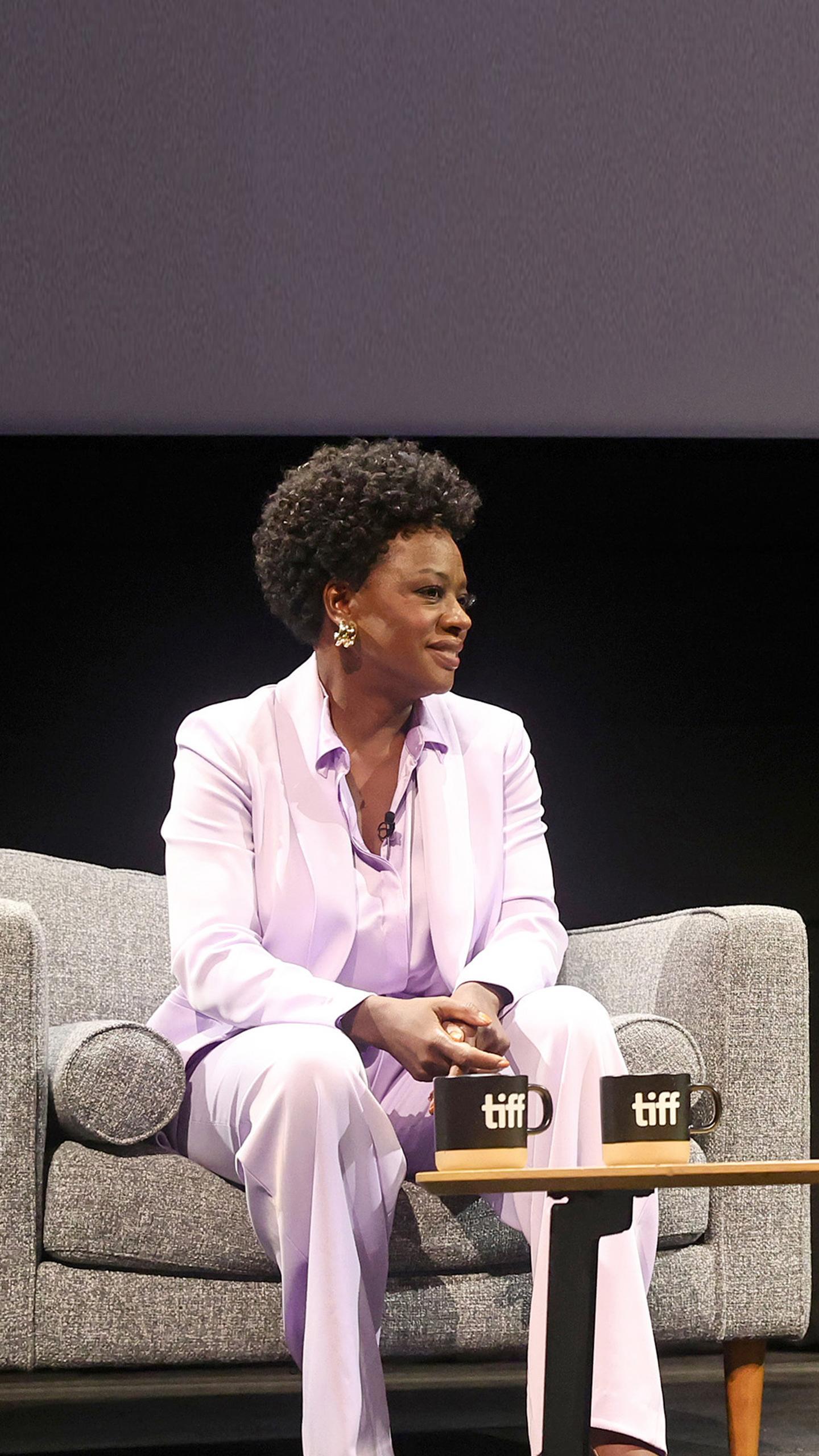
A recent social media post on Threads has drawn attention to a perceived disparity in earnings between actress Viola Davis and Meryl Streep, despite Davis having accumulated a comparable number of accolades.
The post, shared by user 'abittercuppacoffee,' recalls a statement attributed to Viola Davis, suggesting that she has won almost as many awards as Meryl Streep but has not earned anywhere near the same amount of money. This observation prompts a question about the implications for Hollywood. The post highlights Davis's status as one of the industry's finest actors, underscoring the perceived imbalance in financial compensation relative to critical recognition.
Why It's Important?
This social media discussion is important as it brings to light ongoing conversations about pay equity and systemic biases within the entertainment industry. The comparison between Viola Davis and Meryl Streep, two highly acclaimed actresses, serves as a case study for broader issues concerning compensation gaps, particularly for women of color in Hollywood. It suggests that even with significant critical success and talent, certain demographic groups may face financial disadvantages. This conversation can influence public perception of fairness in the industry and potentially fuel advocacy for more equitable pay structures and opportunities for diverse talent. The disparity, if widely acknowledged, could pressure studios and production companies to re-evaluate their compensation practices.
What's Next?
While the social media post itself is a commentary rather than a call to action, it contributes to an ongoing dialogue that could lead to increased scrutiny of Hollywood's pay practices. Continued discussions on platforms like Threads and other media outlets may amplify calls for transparency and equity in actor salaries. Industry organizations and advocacy groups might leverage such public sentiment to push for policy changes or collective bargaining agreements aimed at addressing pay disparities. Individual actors, particularly those with significant platforms, may also choose to speak out more frequently on these issues, further raising awareness and potentially influencing future contract negotiations and industry standards.
Beyond the Headlines
The discussion extends beyond individual earnings to touch upon deeper societal issues of systemic inequality and representation. The perceived pay gap, even between highly successful individuals, can reflect historical biases and power structures within the entertainment industry. It raises questions about how value is assigned to talent and labor, and whether factors like race and gender implicitly influence these valuations. This conversation could also encourage a broader examination of how media narratives and public perception contribute to or challenge these disparities, potentially leading to a more critical assessment of Hollywood's role in shaping cultural norms around equity and fairness.