

What's Happening?
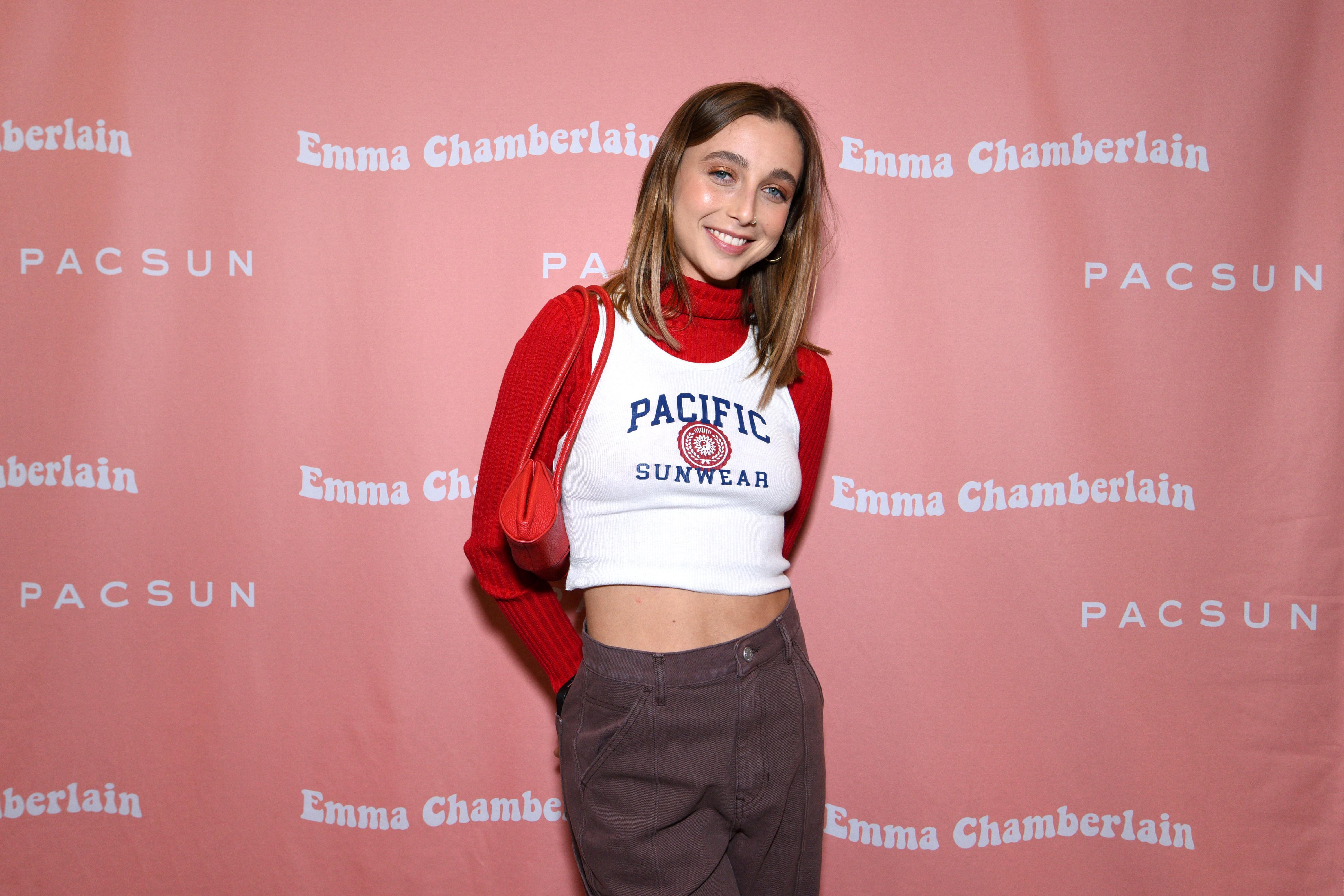
YouTube hosted its second annual Creator Premieres content showcase in Hollywood, unveiling a slate of new shows led by prominent creators. Among the highlights, influencer Emma Chamberlain detailed her
upcoming series 'What Are You Waiting For?', set to premiere early next year. This marks Chamberlain's first collaboration with an experienced production team, Amplify, moving away from her previous one-woman-band approach to content creation. Filmmaker Wesley Wang announced three new projects: a sci-fi horror short film 'Response,' an interactive murder-mystery series 'Extract 14' with a $100,000 prize for the solver, and a filmmaking competition series 'Absolute Cinema' offering $100,000 to fund a winner's film. Other creators presenting new content included tennis superstar Aryna Sabalenka with 'Aryna’s Arena: Unfiltered,' chef Nick DiGiovanni with 'Chef,' and comedian Grace Reiter with a parody film 'Twilight (but better).' Sean Downey, President of Americas and global partners for Google, emphasized the evolving definition of television, with creators now owning the 'studio' and fostering direct connections with their audiences.
Why It's Important?
This announcement signifies YouTube's continued investment in original, creator-led content, positioning itself as a major player in the evolving media landscape. By empowering creators like Emma Chamberlain and Wesley Wang with production resources and platforms for ambitious projects, YouTube is challenging traditional television and streaming models. This shift provides creators with more control over their narratives and direct engagement with their fan bases, fostering a new era of content creation that prioritizes authenticity and community interaction. For advertisers, it presents new opportunities to connect with highly engaged audiences through trusted creator voices. The diverse range of shows, from interactive mysteries to docu-reality series, indicates YouTube's strategy to cater to a broad spectrum of viewer interests, further solidifying its role as a comprehensive entertainment platform. This move also highlights the increasing professionalization of content creation, with creators moving beyond individual efforts to collaborate with established production teams.
What's Next?
The new series from Emma Chamberlain, Wesley Wang, and other creators are slated to roll out from late 2026 into early 2027. Emma Chamberlain's shift to a collaborative production model suggests a more sustainable approach to her career, potentially leading to higher-quality, more diverse content and inspiring other creators to seek similar partnerships. Wesley Wang's interactive and competition-based series could set new trends in audience engagement, encouraging viewers to actively participate in the content. YouTube will likely continue to host similar showcases, attracting more creators and further expanding its original programming slate. The success of these new shows will influence future investment in creator-led projects and potentially lead to new monetization strategies for both YouTube and its creators. The platform's emphasis on direct creator-fan connections will likely drive further innovation in community features and interactive content formats.
Beyond the Headlines
This development reflects a deeper transformation in media consumption and production, where the lines between traditional media and user-generated content are increasingly blurred. The 'creator economy' is maturing, with individual personalities evolving into full-fledged production entities capable of rivaling established studios. This raises questions about intellectual property, creative control, and the future of talent development in entertainment. Ethically, the power wielded by platforms like YouTube in shaping cultural narratives through creator content becomes more pronounced, necessitating discussions around content moderation, responsibility, and diversity. Culturally, the direct relationship between creators and their audiences fosters a sense of community and authenticity that traditional media often struggles to replicate, potentially leading to a more fragmented yet personalized media landscape. The interactive nature of some new shows also points towards a future where passive viewing is replaced by active participation, fundamentally altering the viewer experience.