
What's Happening?
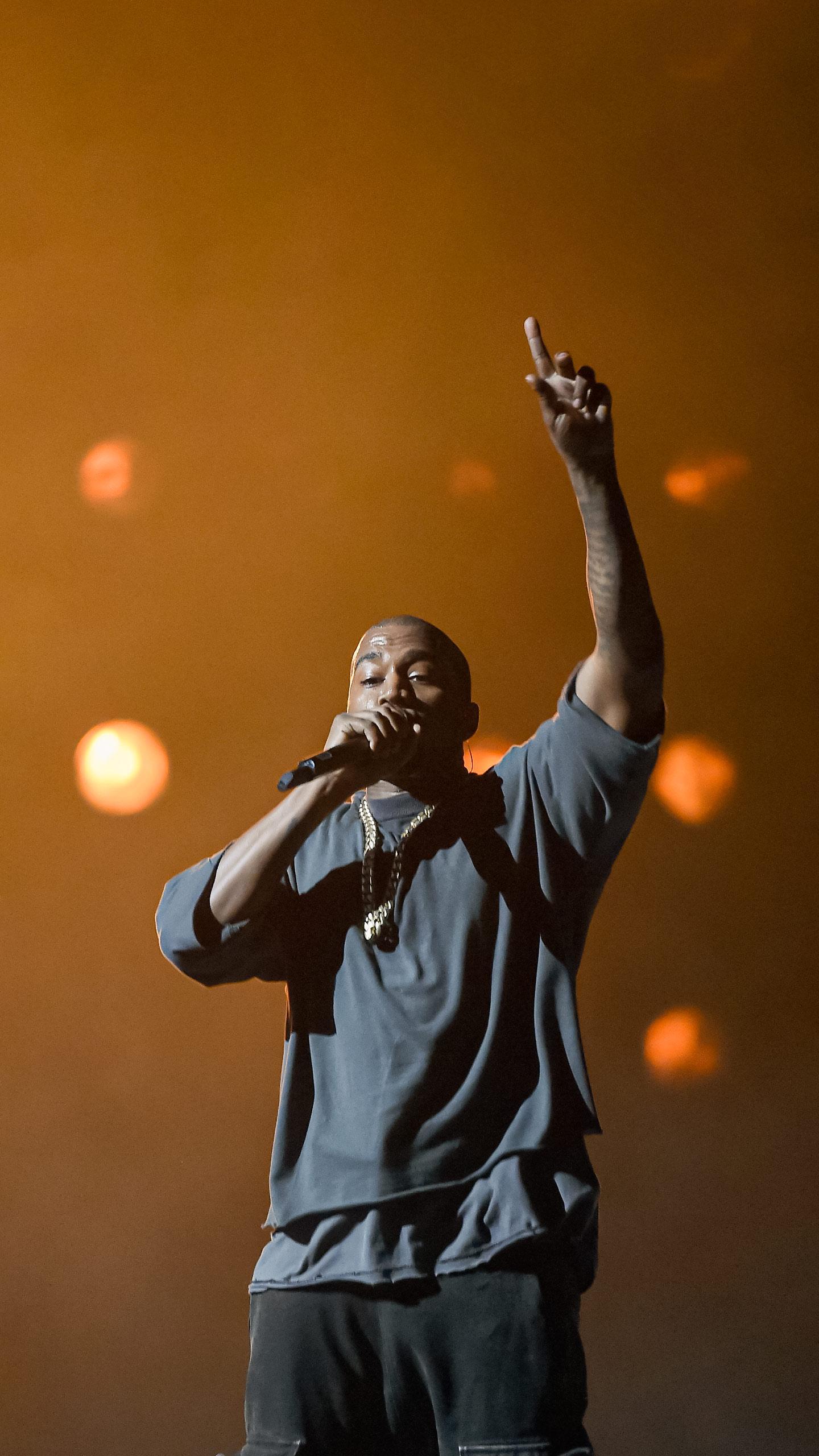
Kanye West, also known as 'Ye', and Ty Dolla Sign are facing a copyright infringement lawsuit filed by producers Marlon Barrow and Jae Deal. The lawsuit alleges that multiple versions of their 2023 song
'Vultures' incorporate 'audibly recognizable and substantial portions' of Barrow and Deal's 2018 composition 'Joint 2' without proper compensation or credit. According to the complaint, the sample was allegedly sent via text message by Barrow to Ty Dolla Sign after Ty Dolla Sign expressed interest in the track. Barrow claims he sent the MP3 file with the understanding that a written agreement would be reached for a high-quality version and stems. The producers attempted to have 'Vultures' removed from platforms like YouTube and Spotify in December 2023. In January, they discussed their complaints with 88-Keys, identified as the head of music at Yeezy. A buyout settlement offer from Yeezy's lawyer in October 2024 was rejected by Deal's attorney, who deemed it insufficient to address the issues of willful infringement and lack of credit. Deal and Barrow are seeking a jury trial, along with actual and statutory damages.
Why It's Important?
This lawsuit highlights the increasing complexities and legal risks associated with music sampling in the digital age, particularly when informal communication methods like text messages are involved. For the music industry, it underscores the critical importance of formal agreements and proper clearance processes for all sampled material to avoid costly legal battles. The case could set a precedent for how samples exchanged informally are treated legally, potentially influencing standard practices for producers and artists. For Kanye West and Ty Dolla Sign, a loss in this case could result in significant financial penalties, damage to their reputations, and potentially the removal of the 'Vultures' tracks from streaming platforms. It also serves as a cautionary tale for artists regarding due diligence in ensuring all elements of their music are legally cleared. The outcome will be closely watched by legal professionals and artists alike, as it could impact future copyright infringement claims in the U.S. music industry.
What's Next?
The lawsuit will proceed with a jury trial, as requested by Marlon Barrow and Jae Deal, where both sides will present their arguments regarding the alleged copyright infringement. The court will determine whether the use of the 'Joint 2' sample in 'Vultures' constitutes unauthorized use and if compensation and credit are due. This process could involve detailed analysis of the musical compositions and the communication surrounding the sample's exchange. Depending on the court's decision, Kanye West and Ty Dolla Sign could face substantial financial damages, and they may be compelled to remove the infringing tracks or reach a new, more substantial settlement with the producers. This case could also lead to increased scrutiny of other tracks by the artists for similar issues. The legal proceedings will likely be closely followed by the music industry, potentially influencing how artists and producers handle sample clearances and intellectual property rights in the future.
Beyond the Headlines
Beyond the immediate legal and financial implications, this lawsuit delves into the ethical considerations of creative collaboration and intellectual property in the digital era. The alleged informal exchange of a sample via text message raises questions about the perceived value of creative work and the expectations of artists when sharing their material. It highlights a potential disconnect between the casual nature of digital communication and the formal requirements of copyright law. The case could also spark broader discussions about the power dynamics within the music industry, where established artists might be perceived as leveraging their influence over lesser-known producers. Furthermore, it underscores the ongoing challenge of protecting intellectual property in an environment where digital assets can be easily shared and repurposed, prompting a reevaluation of best practices for securing creative rights and ensuring fair compensation for all contributors to a musical work.