
What's Happening?
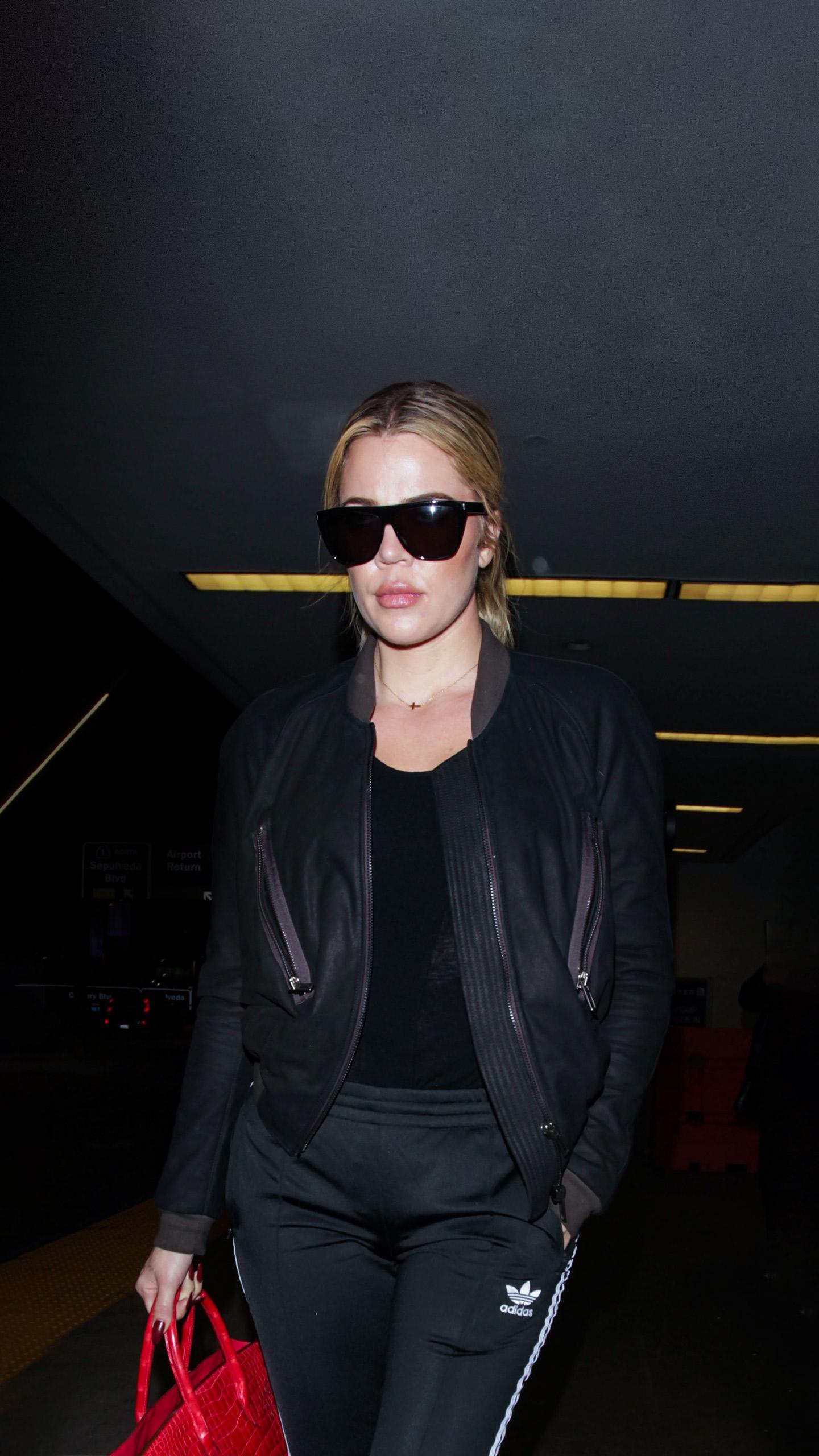
Khloe Kardashian has publicly stated that her ex-husband, Lamar Odom, is 'dead to her' after his comments in the documentary 'Untold: The Death & Life of Lamar Odom'. The topic was raised during a November
12 episode of 'The Kardashians' by Scott Disick. In the documentary, Odom alleged that he married Kardashian to further his own fame and downplayed her role in his recovery following a near-fatal overdose in 2015. Kardashian expressed deep offense at these claims, stating, 'I don’t need you to thank me, just don’t talk about me. Don’t discredit me.' She emphasized that 'The bridge is burned and there’s no more rope to throw over, so he is dead to me,' further adding, 'This just solidifies what liars, con artists, cheats, thieves, trolls that men are. And I just don’t want to be involved. Play with yourself, don’t play with me.' Kardashian is a mother to two children, True, 8, and Tatum, 4, with ex Tristan Thompson.
Why It's Important?
This public declaration by Khloe Kardashian highlights the significant impact of celebrity narratives and media portrayals on personal relationships, even long after their dissolution. For public figures, statements made in documentaries or other media can have profound consequences, affecting their personal lives and public image. The incident underscores the challenges celebrities face in maintaining privacy and controlling their personal stories, especially when past relationships are revisited in the public eye. It also reflects a broader societal interest in the personal lives of celebrities, where their emotional responses and relationship dynamics become subjects of widespread discussion and media scrutiny. The strong language used by Kardashian indicates a definitive end to any potential reconciliation or even cordial interaction, setting a clear boundary in her personal life.
What's Next?
The immediate aftermath of Kardashian's statement is likely to involve continued media coverage and public discussion, particularly within entertainment news outlets and social media platforms. Fans and critics will likely dissect her comments and Odom's documentary claims, potentially leading to further commentary from other individuals associated with the former couple. While Kardashian has clearly stated her position, the nature of celebrity culture often means that such declarations can fuel ongoing narratives rather than definitively close them. It is improbable that Odom will directly respond to Kardashian's latest comments, given the finality of her statement. The focus will likely shift to how this public rift impacts the individual public images and future projects of both Khloe Kardashian and Lamar Odom.
Beyond the Headlines
Beyond the immediate celebrity drama, this event touches upon themes of narrative control and the ethics of storytelling in documentaries, especially when one party's account significantly impacts another's reputation and emotional well-being. Odom's alleged downplaying of Kardashian's role in his recovery raises questions about how personal histories are reconstructed and presented in media, and the potential for such narratives to cause harm. It also reflects the broader cultural phenomenon of 'cancel culture' within celebrity circles, where public statements can lead to definitive breaks in relationships and public perception. The incident serves as a reminder of the complex interplay between personal lives, public personas, and media representation in the digital age, where past events can be re-examined and re-interpreted with significant emotional and social consequences.