


What's Happening?
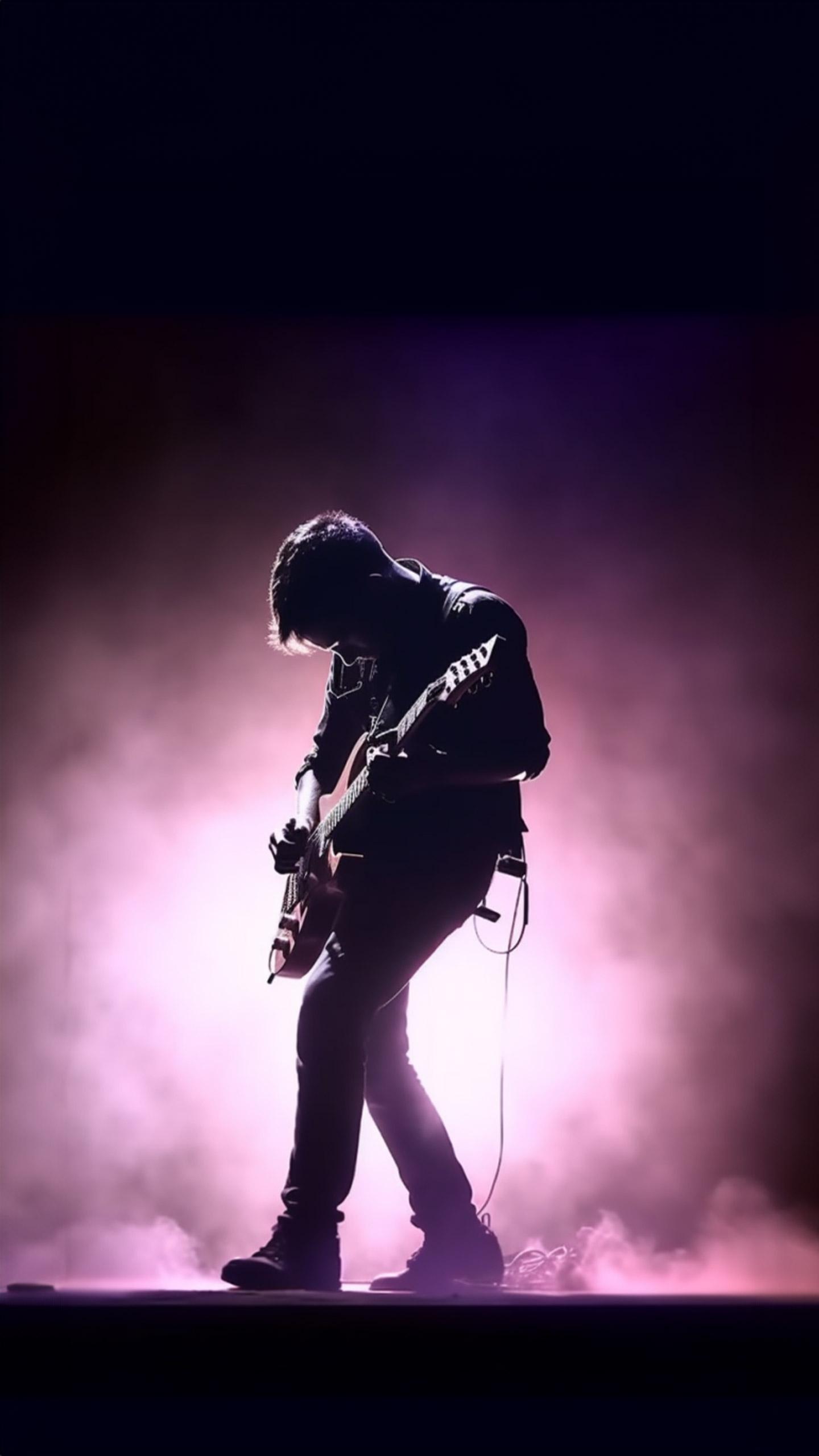
Rock musician Jack White has maintained his policy of banning phones at his live performances since 2018, aiming to foster a '100% human experience' for concertgoers. This policy involves audience members
placing their phones in Yonder pouches upon arrival, which are then secured and can only be opened in designated zones or by bartenders for purchases. White argues that phones detract from the live music experience, preventing audience members from fully engaging with the performance and each other. He believes that constant phone use diminishes the energy exchange between the artist and the crowd, impacting the spontaneity and dynamic nature of his shows, which often feature unscripted setlists. This approach has been consistently applied across his tours, including recent performances where attendees' phones were collected and secured in pouches, only to be released in specific emergency areas.
Why It's Important?
Jack White's phone ban policy highlights a growing debate within the live entertainment industry regarding audience engagement and the role of technology at concerts. His stance emphasizes the value of an unmediated, present-moment experience, which he believes is crucial for the unique energy of a live show. This approach challenges the modern concert-going habit of recording and sharing every moment, potentially influencing how other artists and venues consider managing phone use. For fans, it forces a choice between capturing memories digitally and fully immersing themselves in the performance. The policy also raises questions about accessibility for those who rely on their phones for various needs, such as checking on family, travel arrangements, or personal safety, creating a tension between artistic vision and audience convenience.
What's Next?
The continued implementation of phone bans by artists like Jack White suggests a potential trend in the live music industry towards creating more immersive and distraction-free environments. While some concertgoers appreciate the enhanced focus and shared experience, others express concerns about the inability to capture memories or maintain connectivity. Future developments may include more venues adopting similar policies, or the emergence of technological solutions that allow for limited phone use without disrupting the overall experience. The debate is likely to continue, with artists weighing the benefits of a 'human experience' against audience expectations for digital freedom and memory preservation. The success and reception of these bans could influence broader industry standards for concert etiquette and technology integration.
Beyond the Headlines
Jack White's phone ban delves into deeper societal implications concerning our relationship with technology and the value of authentic, unrecorded experiences. In an era dominated by social media and constant digital documentation, White's policy pushes back against the 'isolated documentarian' mentality, encouraging collective presence. This raises ethical questions about the right to record personal experiences versus the collective right to an undisturbed shared event. Culturally, it reflects a yearning for genuine connection and a critique of how technology mediates our interactions. Legally, while terms are typically disclosed at ticket purchase, it touches on consumer expectations and the boundaries of venue control over personal devices. This movement could signify a long-term shift in how live events are consumed, prioritizing the ephemeral, unrepeatable moment over its digital capture.