



What's Happening?
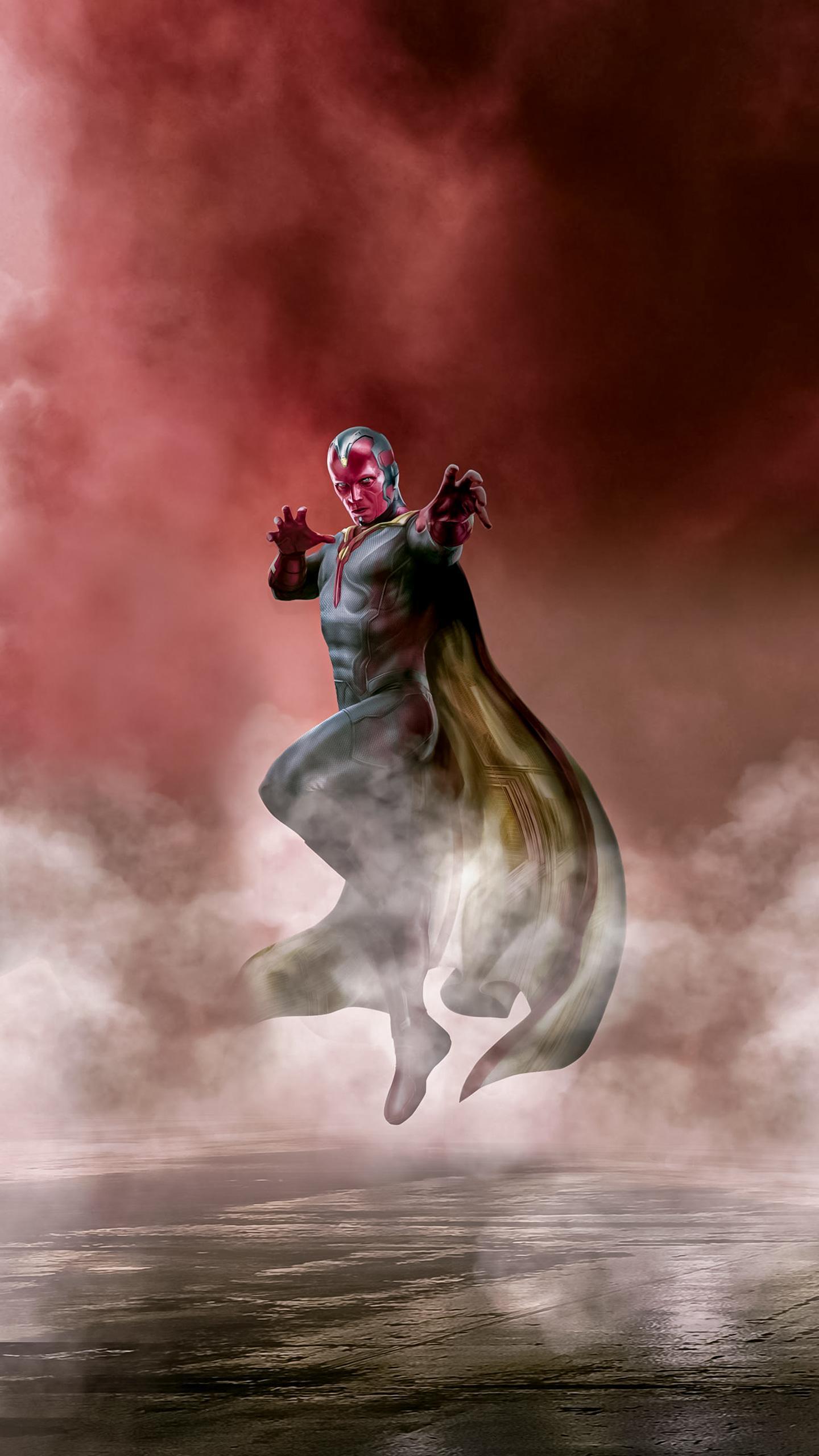
Paul Bettany, the star of Marvel's 'VisionQuest,' showcased a versatile performance in Episode 7, titled 'Immolation.' This episode allowed Bettany to portray multiple characters, including a WWII-era
flashback appearance as Phineas Horton, the creator of the original Human Torch. The narrative focuses on Vision's internal journey, forcing him to confront suppressed emotions and memories. Bettany also played the classic, pre-Infinity War Vision, creating a dynamic clash between different versions of the character. The episode explores Vision's psychological turmoil, culminating in his encounter with the digitized remains of Horton and his creation, J.I.M., the original Human Torch. While Bettany's performance was lauded, other subplots involving Ultron/Jocasta and Paladin were noted as less impactful.
Why It's Important?
This episode is significant for the Marvel Cinematic Universe (MCU) as it deepens the character development of Vision, a key figure in the franchise. Bettany's ability to embody multiple facets of the character, including historical figures connected to Vision's origins, enriches the lore and provides a more complex understanding of his identity. The exploration of Vision's internal struggles and suppressed memories adds emotional depth, moving beyond typical superhero action. For fans, the introduction of the original Human Torch as an actual character, rather than just an Easter egg, connects the MCU more firmly to its comic book roots and expands the potential for future storylines and character integrations. This character-driven approach can enhance the overall narrative quality of the MCU's streaming series.
What's Next?
The episode concludes with the reveal of Paladin's elusive benefactor, who appears to be a human version of Ultron, setting up a significant development for the series finale. This cliffhanger suggests that the final episode will likely delve into the identity and motivations of this new Ultron variant, potentially leading to a major confrontation or revelation. The deeper exploration of Vision's consciousness and his connection to Phineas Horton and J.I.M. could also have long-term implications for his role in the broader MCU, possibly influencing future team-ups or character arcs. The series is poised to resolve the psychological and external conflicts established in 'Immolation.'
Beyond the Headlines
The episode's focus on Vision's internal 'vision quest' explores themes of identity, memory, and the nature of consciousness, which are profound philosophical questions often touched upon in science fiction. By having Bettany play multiple roles, the series visually represents the fragmented and evolving nature of Vision's being, highlighting the complexities of artificial intelligence and synthetic life. The subtle distinctions in Bettany's portrayal of different Vision iterations underscore the idea that identity is not static but shaped by experiences and memories. This approach elevates 'VisionQuest' beyond a typical superhero show, engaging with deeper existential inquiries about what it means to be alive and self-aware in a technologically advanced world.