
What's Happening?
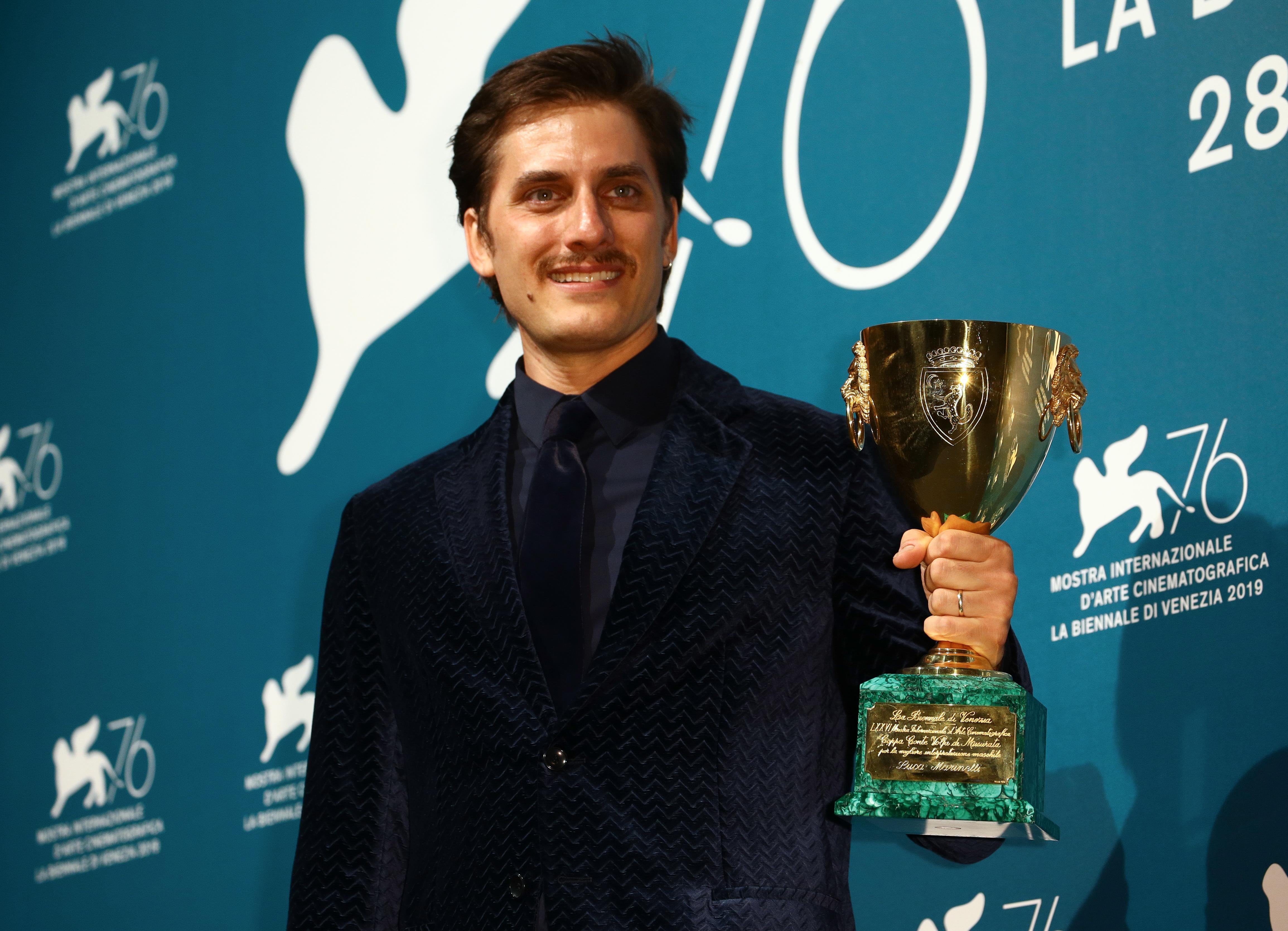
John Malkovich has received the Best Actor prize at this year’s Venice Film Festival for his role in Martin McDonagh’s new film, 'Wild Horse Nine.' The performance is generating significant buzz, with
many speculating it could lead to an unofficial lifetime achievement Oscar for the 72-year-old actor. In the film, Malkovich portrays Chris Carlisle, a veteran CIA agent, alongside Sam Rockwell as his partner Lee Chesterfield. The narrative follows Chris and Lee on a mission in Rapa Nui (Easter Island) in 1973, tasked with monitoring Chile's newly elected socialist president, Salvador Allende. Chris, a jaded operative with a history of intervention in various countries, is depicted as a 'dead man walking' due to encroaching cancer, leading to a complex dynamic with his partner who is tasked with silencing him. The film explores themes of alienated patriotism and the moral ambiguities of covert operations.
Why It's Important?
John Malkovich's recognition at the Venice Film Festival for 'Wild Horse Nine' underscores his enduring talent and ability to deliver compelling performances, even in roles that challenge conventional heroism. For the U.S. film industry, this award highlights the continued critical acclaim for veteran actors and the potential for prestige projects to garner international attention. The film's exploration of American interventionism in the Global South, particularly in the context of the 1973 Chilean coup, is a politically charged theme that resonates with historical and contemporary discussions about U.S. foreign policy. Malkovich's portrayal of a morally complex CIA agent could spark broader conversations about the ethical dimensions of intelligence operations and their long-term consequences, both on a national and international scale. The Oscar buzz further elevates the film's profile, potentially increasing its viewership and impact on public discourse.
Beyond the Headlines
Beyond the immediate awards recognition, 'Wild Horse Nine' delves into the deeper implications of U.S. foreign policy and the psychological toll on those who execute it. Malkovich's character, Chris Carlisle, embodies the 'alienated patriotism' of operatives whose actions, often under the guise of national duty, lead to profound moral compromises. The film's setting in 1973 Chile, a period marked by significant U.S. involvement in the overthrow of a democratically elected government, serves as a potent historical backdrop. This narrative choice invites audiences to reflect on the legacy of American interventionism and its impact on global politics and individual lives. The film's nuanced portrayal of a character who is both a perpetrator and a victim of his circumstances challenges simplistic interpretations of good and evil, prompting a more complex understanding of historical events and their human cost. The discussion around the film's 'muddled messaging' regarding U.S. imperialism suggests a deliberate attempt by McDonagh to provoke thought rather than offer easy answers.