


What's Happening?
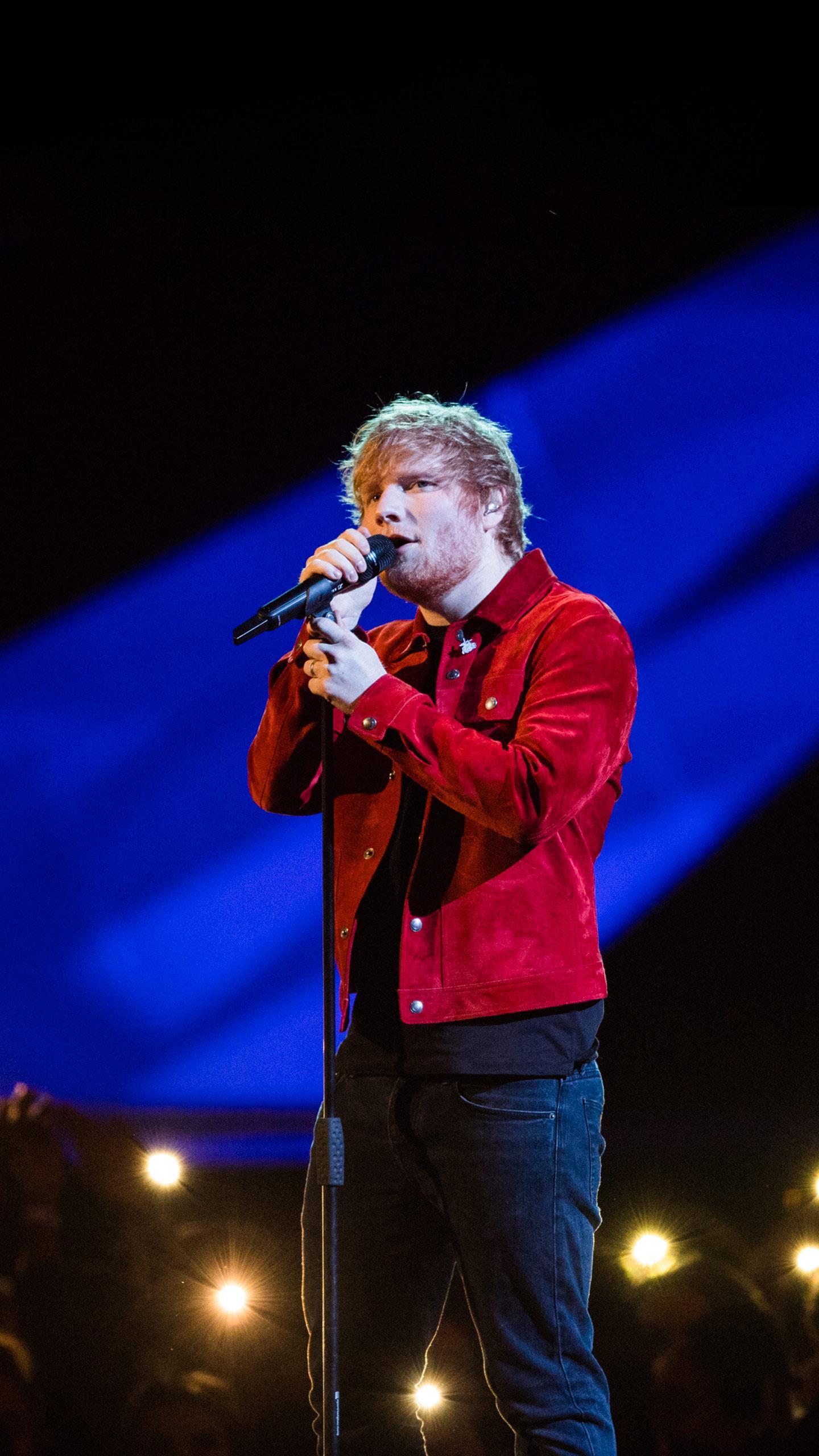
Ed Sheeran has successfully completed the North American stadium leg of his Loop Tour, concluding with a performance in Tampa, Florida, on November 7. The tour's final weeks were marked by significant
lineup changes following the removal of Macklemore from several dates. Macklemore's performances, which included the protest song 'Hind's Hall' and calls for Palestinian freedom, drew objections from some Jewish and pro-Israel organizations. Messina Touring Group, the promoter, stated that venue owners had threatened to cancel concerts if Macklemore remained on the bill, potentially affecting hundreds of thousands of ticket holders. Sheeran clarified that the decision to remove Macklemore was the promoter's, expressing respect for Macklemore's convictions while noting his own preference to avoid using his professional platform for politics. This situation led to other artists, including Aaron Rowe, Lukas Graham, Finneas, and Irish folk group Beoga, withdrawing from scheduled appearances in solidarity.
Why It's Important?
This incident highlights the increasing pressure on artists and promoters to navigate complex geopolitical issues, particularly the Israeli-Palestinian conflict, within the entertainment sphere. The removal of Macklemore and the subsequent withdrawals of other artists underscore the significant financial and reputational risks involved when political statements are made during public performances. For the U.S. music industry, this event reveals a delicate balance between artistic freedom, audience expectations, and commercial viability. It also demonstrates the power of various advocacy groups to influence concert lineups and potentially impact artists' careers. The controversy could lead to more stringent policies from venues and promoters regarding political content, potentially stifling artistic expression or forcing artists to choose between their convictions and their performance opportunities.
What's Next?
While Ed Sheeran's North American tour has concluded, the broader implications of this controversy may continue to unfold. Artists and promoters might re-evaluate their contracts and policies regarding political expression during live events. There could be ongoing discussions within the music industry about how to balance free speech with commercial interests and public sensitivities. Macklemore and the artists who withdrew in solidarity may continue to use their platforms to advocate for their causes, potentially inspiring further debate or action. The incident could also prompt audiences to be more discerning about the political stances of artists and venues they support, leading to shifts in consumer behavior within the entertainment sector. Sheeran's upcoming international dates will likely be scrutinized for any similar issues or statements.
Beyond the Headlines
The controversy surrounding Macklemore's removal from Ed Sheeran's tour touches upon fundamental questions of censorship and artistic responsibility in a globalized world. It exposes the tension between an artist's right to express political views and the commercial imperative of promoters to avoid controversy that could jeopardize events. This situation also reflects the growing polarization of political discourse, where even seemingly unrelated events can become flashpoints for broader societal conflicts. The incident may contribute to a chilling effect, where artists become more hesitant to voice strong political opinions for fear of professional repercussions. Conversely, it could galvanize other artists to take more vocal stances, viewing such incidents as an infringement on artistic freedom and a call to action. The debate over 'neutrality' in art versus social engagement is likely to intensify, shaping the future landscape of public performance.