



What's Happening?
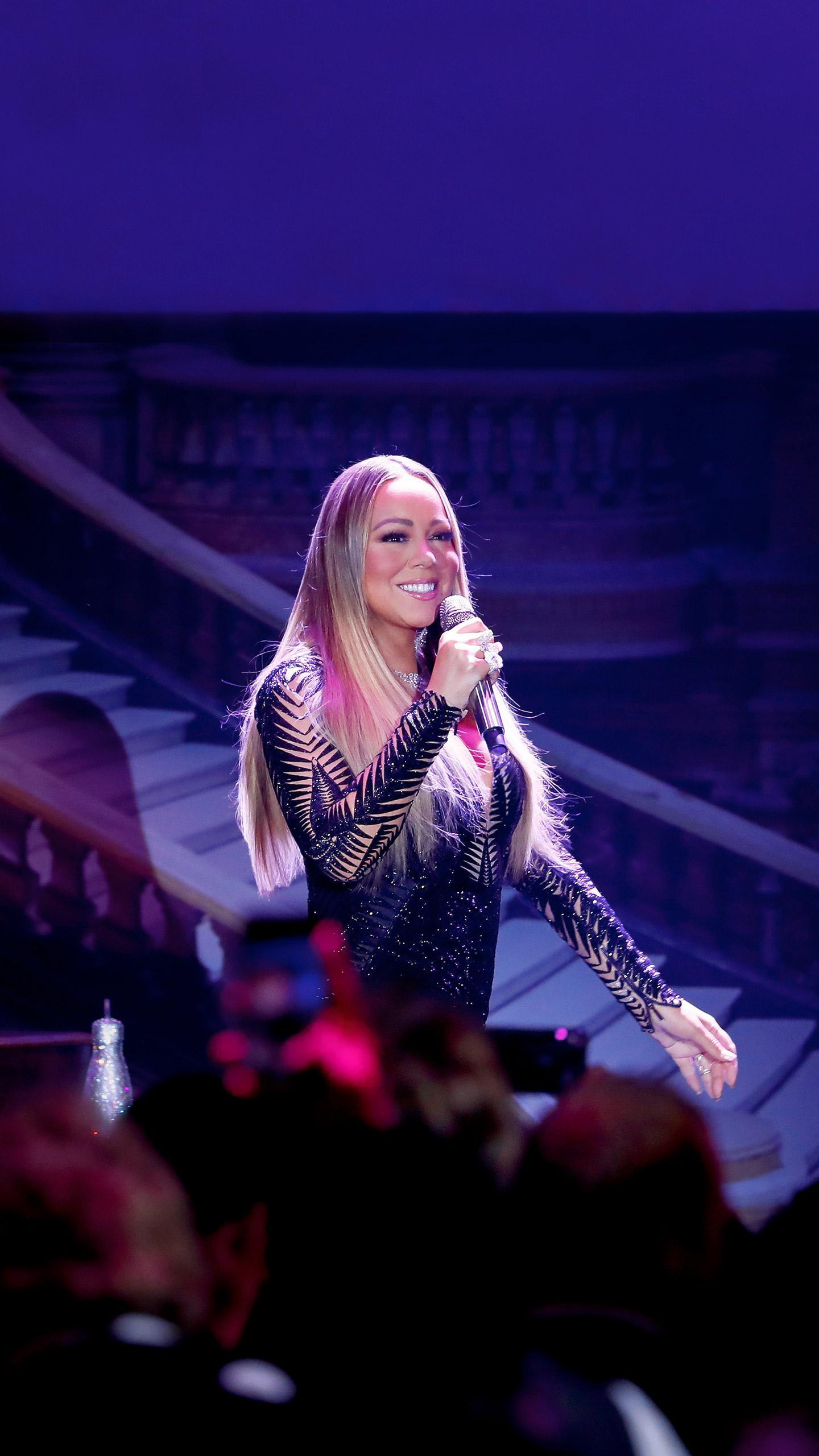
Mariah Carey's 'All I Want for Christmas Is You' from 1994 has once again secured the top spot on the Billboard Hot 100, marking its 22nd week at No. 1 as of January 3, 2026. This holiday season saw Christmas songs
occupying all top 24 spots on the Hot 100, with 49 holiday songs charting in total. The enduring popularity of classic holiday tunes, some dating back to the 1950s, continues to be a significant trend in the U.S. music industry. However, this widespread use of copyrighted music, particularly in videos, presents challenges for creators due to strict copyright laws. A song typically has two separate copyrights: one for the musical work (melody and lyrics) and another for the sound recording, both often owned and licensed independently. This means video creators need permission for both, usually from a publisher and a record label, to avoid copyright claims on platforms like YouTube.
Why It's Important?
The perennial success of 'All I Want for Christmas Is You' and other holiday classics highlights a unique economic phenomenon in the U.S. music market, where a specific genre generates immense revenue within a concentrated period each year. This trend significantly impacts artists, labels, and streaming platforms, as these songs drive massive listenership and advertising revenue. For content creators, understanding the complexities of music copyright is crucial. The dual copyright system for musical works and sound recordings means that even using a public domain carol can lead to claims if the specific recording is copyrighted. This legal framework protects intellectual property but also creates a barrier for independent creators who may struggle to navigate licensing requirements or afford fees, potentially stifling creative expression and content production during peak holiday seasons.
What's Next?
The ongoing dominance of holiday music on charts will likely continue to prompt discussions within the music industry regarding monetization strategies and copyright enforcement. For content creators, the emphasis will remain on finding legally compliant ways to incorporate music into their videos. This includes recording original versions of public domain carols, licensing popular hits (often a costly endeavor), utilizing in-app music libraries with specific usage terms, or generating original tracks through AI platforms. Platforms like YouTube will continue to enforce copyright through automated systems like Content ID, leading to potential video muting, ad placement for rights holders, or content blocking for non-compliant uploads. This will push creators towards more proactive copyright checks and alternative music sourcing methods.
Beyond the Headlines
The phenomenon of holiday music's enduring popularity and the associated copyright challenges reflect broader shifts in intellectual property rights in the digital age. The fact that songs from decades past continue to top charts underscores the cultural power of nostalgia and tradition, but also the financial incentives for rights holders to rigorously protect their assets. The rise of AI-generated music as a solution for creators to avoid copyright issues points to a future where technology plays an increasingly significant role in content creation and licensing. This also raises ethical questions about the originality and artistic value of AI-generated content versus human-composed music, and how these new forms of creation will integrate into existing copyright frameworks. The balance between protecting creators' rights and fostering new forms of digital expression remains a critical, evolving challenge.