
What's Happening?
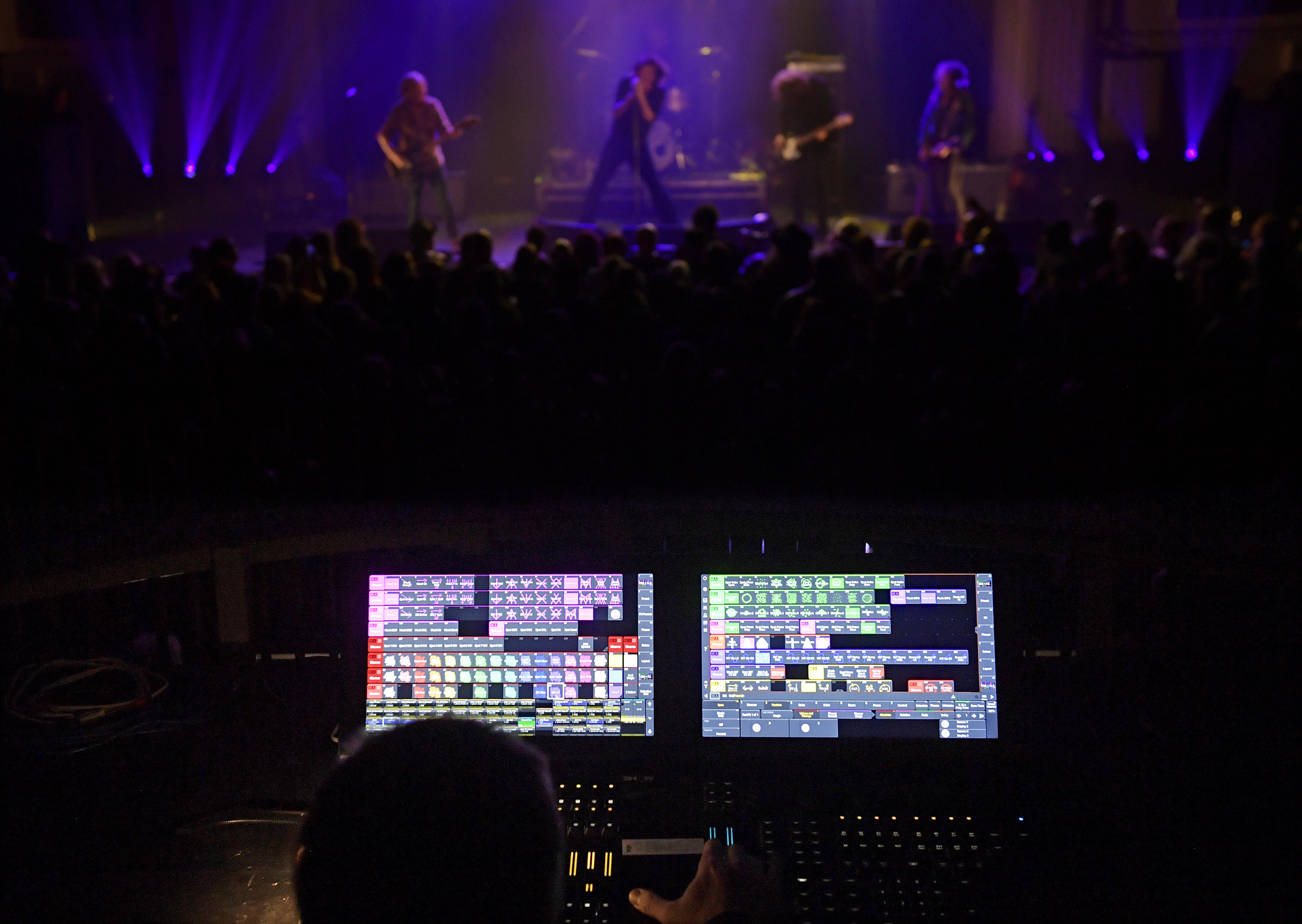
The League of Live Stream Theater (LOLST), a non-profit organization, successfully live-streamed the 'Rent: The 30th Anniversary Concert' from Broadway's Richard Rodgers Theatre to 70,000 streaming ticket
buyers worldwide. The event, which benefited Broadway Cares/Equity Fights AIDS, reunited original cast members and over 60 Broadway performers. LOLST employed LiveU technology, including LU800 field units, the LU900Q intelligent production unit, and LiveU IQ (LIQ™) AI-driven connectivity, to overcome significant technical challenges. These challenges included limited venue access, underground control rooms, and severe cellular congestion in New York City. Despite these obstacles, LiveU's bonding transmission delivered continuous streaming with zero drops and an ultra-low two-second latency over 4.5 hours of live programming. Michael Sorrentino, CEO of Sorrentino Media, highlighted LiveU's technology as crucial for the high-quality stream, while Graham Forden, Director of Production at LOLST, praised its reliability and support.
Why It's Important?
This successful live stream of the 'Rent' concert demonstrates the growing potential of digital-first approaches in the U.S. entertainment industry, particularly for live theater. By extending access beyond the physical venue, LOLST significantly broadened the audience reach, allowing 70,000 viewers worldwide to experience the event. This expanded reach directly translated into substantial charitable impact, with the overall benefit raising approximately $4.5 million in donations. The use of advanced streaming technology like LiveU's, which ensures flawless connectivity even in challenging urban environments, is critical for the continued growth of live digital events. This model offers a blueprint for other U.S. cultural institutions to engage wider audiences, generate revenue, and support charitable causes, thereby democratizing access to high-quality performances and fostering community engagement beyond geographical limitations. The success highlights how technology can transform traditional entertainment formats, creating new economic opportunities and philanthropic avenues.
What's Next?
The success of the 'Rent' 30th Anniversary Concert live stream is likely to encourage more U.S. theater organizations and producers to adopt similar digital-first strategies. This could lead to an increase in live-streamed theatrical productions, offering broader access to performances and potentially creating new revenue streams for the arts. Technology providers like LiveU may see increased demand for their solutions as the entertainment industry seeks reliable and high-quality streaming capabilities for complex live events. Future productions might further integrate interactive elements for remote audiences, enhancing the digital experience. Additionally, the charitable impact demonstrated by this event could inspire more collaborations between entertainment entities and non-profit organizations, leveraging technology to maximize fundraising efforts. The trend suggests a continued evolution in how live entertainment is consumed and distributed, with a greater emphasis on accessibility and global reach through digital platforms.
Beyond the Headlines
The successful live streaming of the 'Rent' concert points to a broader cultural shift in how live arts are experienced and valued. It challenges the traditional exclusivity of live theater, making it accessible to a global audience regardless of their physical location or ability to afford in-person tickets. This democratization of access could foster a more inclusive arts community and cultivate new generations of theater enthusiasts. Ethically, it raises questions about balancing the unique, ephemeral nature of live performance with the widespread, on-demand availability of digital content. Legally, intellectual property rights and licensing for digital distribution of live performances will become increasingly complex, requiring new frameworks to protect artists and producers. The long-term implication is a hybrid model for live entertainment, where physical attendance and digital viewership coexist, each offering distinct experiences and contributing to the sustainability and evolution of the performing arts in the U.S. and beyond.