


What's Happening?
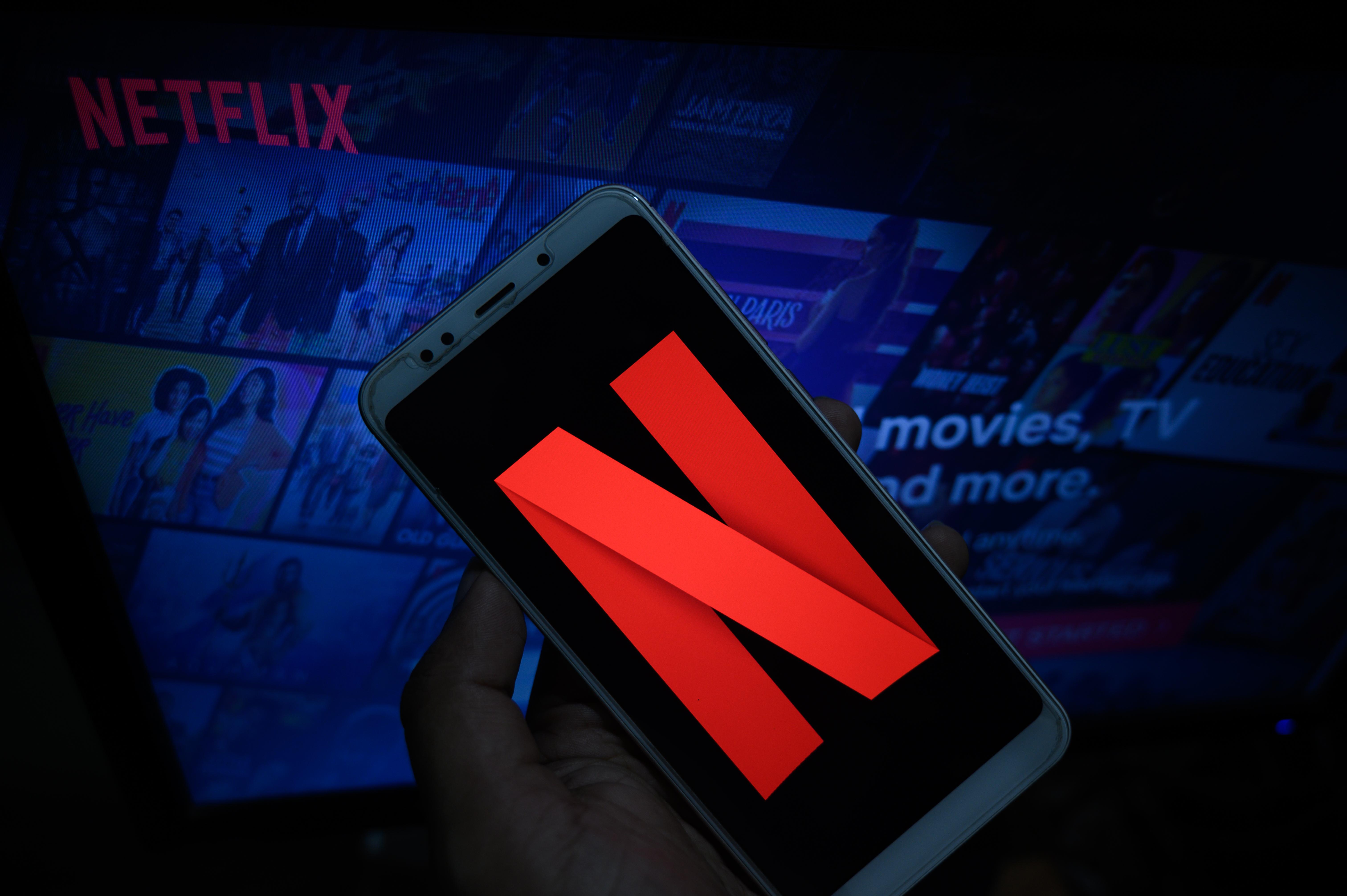
Netflix is modifying its content promotion and discovery strategy by incorporating more preroll trailers before its shows and refining its in-person experiences. This shift is part of a broader reevaluation
of how the company connects audiences with its programming, both on-platform and through physical venues like the Netflix House. The preroll trailers, which are short previews of upcoming or related content, aim to make content discovery more consistent for viewers. These trailers are typically brief and skippable to minimize interruption. Concurrently, Netflix is coordinating its physical experiences, such as interactive exhibits at locations like the Netflix House in the King of Prussia mall, more closely with its digital content. This integrated approach seeks to create a loop where digital viewing drives foot traffic to physical activations, and vice versa, enhancing overall engagement and supporting commercial goals.
Why It's Important?
This strategic adjustment by Netflix is significant for the streaming industry and its subscribers. For Netflix, the increased use of preroll trailers serves a dual purpose: it helps members discover more of its extensive catalog and demonstrates to advertisers the platform's ability to capture viewer attention before a main program begins. This is particularly relevant as Netflix continues to expand its ad-supported plans and aims to improve ad inventory sell-through rates. For subscribers, this means a slight change in their viewing experience, with brief promotional moments becoming more common. While long-time subscribers accustomed to immediate playback might notice the interruption, Netflix will likely monitor engagement metrics closely to ensure these changes enhance discovery without deterring viewers. The coordination between digital and physical experiences could also create new revenue streams and strengthen brand loyalty by offering immersive fan interactions.
What's Next?
Netflix will closely monitor the impact of these changes on viewer engagement, completion rates, and skip rates to determine the effectiveness of the new preroll trailer strategy. If these trailers successfully introduce members to new content they might not have otherwise discovered, the format could become a permanent fixture. The company will also continue to refine its physical experience strategy, potentially expanding the Netflix House concept to more locations and integrating it further with its digital offerings. The success of this multi-channel discovery approach, particularly in generating measurable gains in engagement and advertising demand, will dictate the extent to which Netflix pushes these formats. This move also positions Netflix to compete more effectively with other streaming services and traditional television, which have long utilized preroll advertising and promotional spots.
Beyond the Headlines
The move by Netflix to integrate preroll trailers and physical experiences reflects a broader trend in the entertainment industry towards a more holistic and interactive approach to content consumption. It highlights the evolving challenge of content discovery in an increasingly saturated streaming market. By creating a seamless loop between digital viewing and offline engagement, Netflix is attempting to deepen its relationship with its audience beyond mere screen time. This strategy could also influence how other streaming platforms approach content promotion and fan engagement, potentially leading to more immersive and multi-platform experiences across the industry. The ethical consideration lies in balancing promotional efforts with user experience, especially for subscribers paying for an ad-free tier, ensuring that these new formats enhance rather than detract from the overall value proposition.