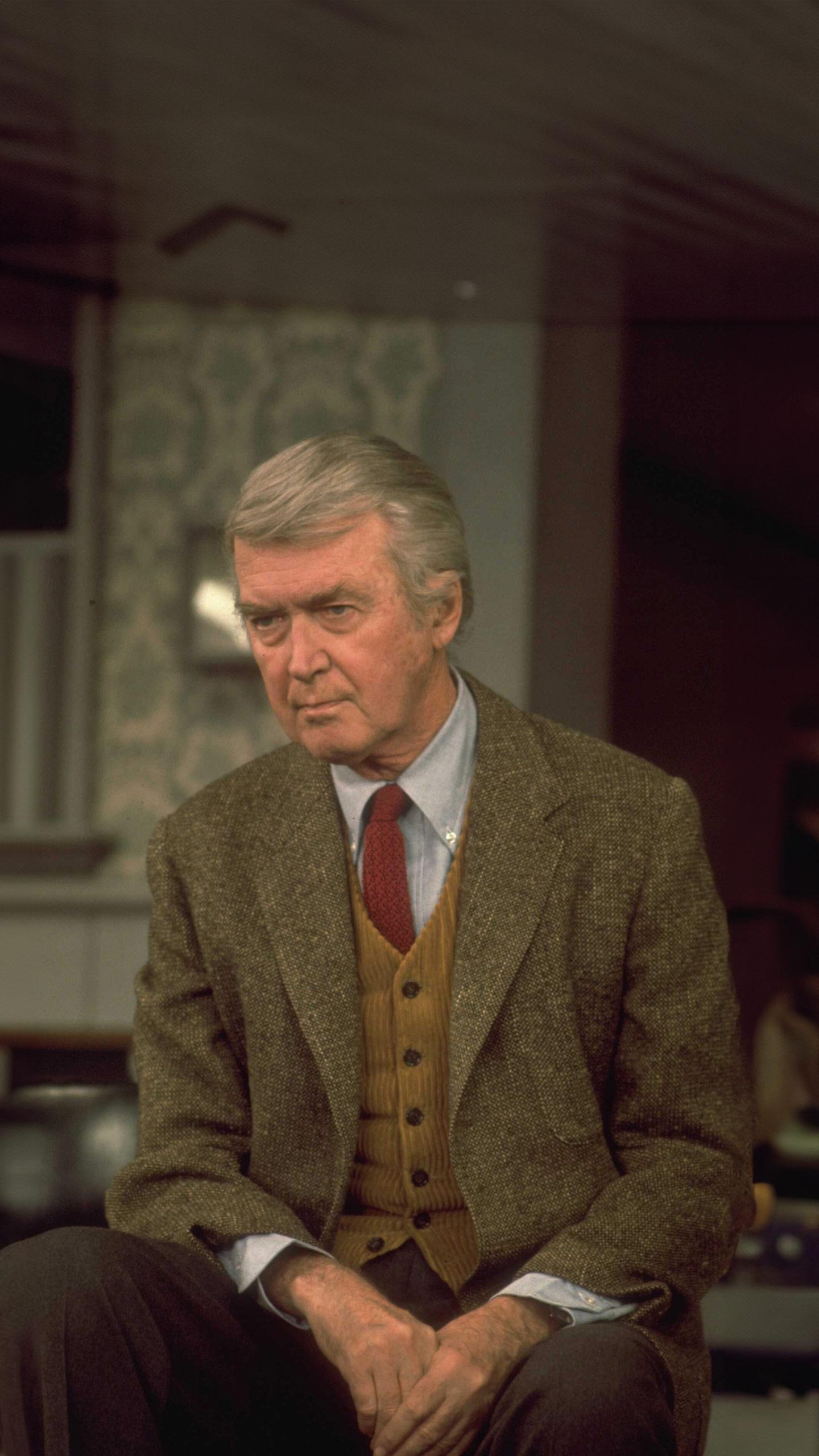




What's Happening?
A new biographical drama titled 'Jimmy' offers an intimate look into the life of legendary actor Jimmy Stewart, focusing on his decision to leave Hollywood and become the first major American movie star
to enlist in the military during World War II. Stewart, who had just won an Academy Award for Best Actor, actively sought combat roles, flying 20 missions and releasing hundreds of bombs over Germany and Nazi-occupied France, eventually rising to the rank of colonel. The film, starring KJ Apa, is based on a hidden diary discovered by Stewart's daughter, Kelly Stewart-Harcourt, an executive producer. A pivotal scene in the film depicts director Frank Capra showing Stewart footage of Hitler and Nazi soldiers, reflecting Capra's own involvement in producing WWII propaganda films like 'Why We Fight.' Prior to his military service, Stewart starred in 'The Mortal Storm,' a 1940 film based on a book about Hitler's rise to power, which is noted as the first overtly anti-Nazi film from Hollywood and the first to depict a concentration camp to the American public. This film's controversial nature led to all MGM films being banned in Germany until the end of the war.
Why It's Important?
The film 'Jimmy' highlights a significant, often overlooked, aspect of a major American cultural figure's life, emphasizing his profound commitment to fighting Nazism. Stewart's decision to forgo a safe, honorary position for active combat underscores a deep sense of patriotism and moral conviction that resonated with the American public during a critical period. The historical context provided by 'The Mortal Storm' reveals Hollywood's early, albeit cautious, engagement with the realities of Nazi Germany and the Holocaust, despite concerns from studio executives about potential antisemitic backlashes or loss of foreign box-office revenue. This narrative is crucial for understanding the evolving American sentiment towards World War II and the role of public figures in shaping national consciousness. The film also sheds light on the personal sacrifices made by individuals, even those in privileged positions, in the face of global conflict, offering a powerful example of civic duty.
What's Next?
The release of 'Jimmy' is expected to reignite public interest in Jimmy Stewart's wartime contributions and the broader historical context of Hollywood's role in World War II. David Perry, Stewart's nephew, is currently producing a film/art event that combines Stewart's military service with his mother's 'War Orphans' art and a showing of 'The Mortal Storm.' This initiative aims to further educate audiences on the historical significance of these works and Stewart's anti-Nazi stance. The film's exploration of Stewart's personal diary and his daughter's involvement as an executive producer suggests a deeply personal and authentic portrayal, which could lead to renewed discussions about the impact of war on individuals and the moral responsibilities of public figures. The ongoing events and the film itself serve as a reminder of the importance of historical awareness and the lessons learned from past conflicts.
Beyond the Headlines
The story of Jimmy Stewart's wartime service and his involvement in 'The Mortal Storm' delves into deeper implications concerning the intersection of art, politics, and personal conviction during times of crisis. The film's controversial nature at the time of its release, leading to MGM films being banned in Germany, illustrates the power of media to challenge political regimes and influence international relations. It also highlights the ethical dilemmas faced by studio executives who had to balance artistic expression and moral responsibility against commercial interests and potential political repercussions. Stewart's personal struggle and the emotional strain he experienced while filming 'The Mortal Storm,' as noted by Gary Fishgall, underscore the psychological toll of confronting real-world atrocities through art. This narrative serves as a powerful case study on how cultural figures can leverage their platforms to address pressing global issues, even at great personal and professional risk, shaping public opinion and contributing to historical narratives.