
What's Happening?
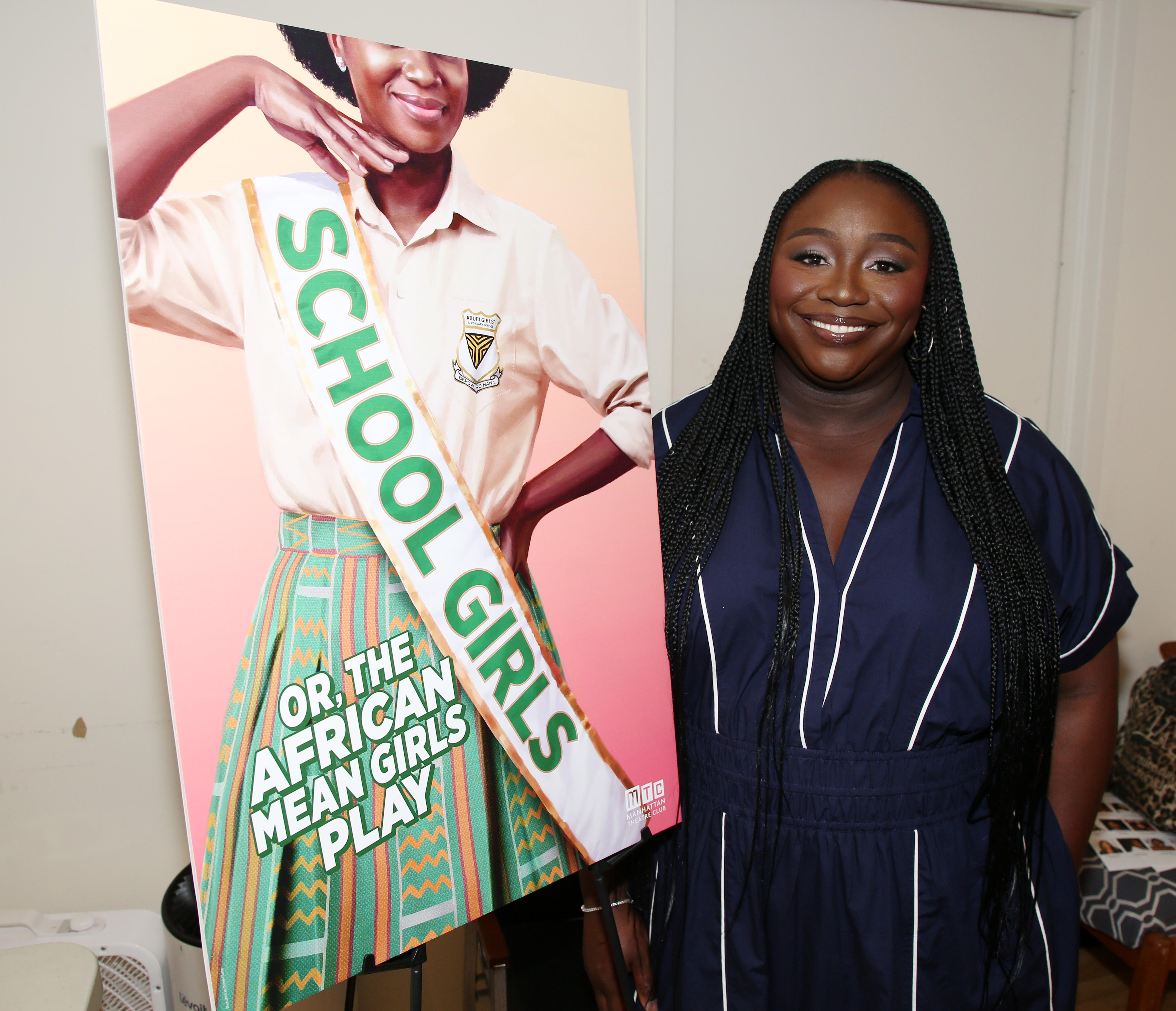
Broadway's 'School Girls; Or, The African Mean Girls Play,' written by Tony Award-nominated playwright Jocelyn Bioh, is concluding its run this week, with livestream broadcasts available. Set in a Ghanaian
boarding school in 1986, the play follows Paulina, the school's 'queen bee,' and her interactions with her crew, often belittling them over their appearance. The narrative takes a turn with the arrival of Ericka, a new transfer student from Ohio, who exposes Paulina's toxic behavior. The play explores themes of girlhood, impossible societal beauty standards, and colorism, particularly through the clash between the school's headmistress and the pageant director over beauty ideals. Bioh, a Ghanaian-American, stated that she was not actively thinking of the 2004 film 'Mean Girls' when writing, but found the archetype of 'feral teenage girls' to be universally resonant.
Why It's Important?
'School Girls' offers a critical examination of colorism, a global issue that impacts individuals across various cultures, including the U.S. By setting the play in Ghana, Bioh provides a unique cultural lens through which to explore universal themes of beauty standards, self-worth, and the pressures faced by young women. The play's success on Broadway signifies a growing appetite for diverse narratives that tackle complex social issues. Its focus on an all-Black female cast, showcasing a diversity of physical appearances, challenges monolithic perceptions of beauty and identity. This production contributes to a broader cultural conversation about representation in media and the arts, encouraging audiences to reflect on their own implicit biases and the societal constructs of beauty.
What's Next?
The conclusion of 'School Girls' Broadway run, coupled with livestream availability, ensures its message reaches a wider audience, potentially sparking further dialogue on colorism and beauty standards. Playwright Jocelyn Bioh hopes the play will shorten the journey for others struggling with their self-image, particularly young, impressionable girls. The continued impact of the play, as evidenced by reactions from figures like Jenna Fischer, suggests its themes resonate deeply beyond specific cultural contexts. This production's success may encourage more diverse storytelling on Broadway and in other theatrical venues, fostering a greater understanding of global social issues and promoting empathy among audiences. The availability of livestreams also sets a precedent for expanding access to theatrical productions.
Beyond the Headlines
Beyond its immediate theatrical impact, 'School Girls' delves into the psychological and social ramifications of colorism, a form of discrimination where individuals with lighter skin tones are favored over those with darker skin tones within the same racial or ethnic group. Bioh's personal journey as a dark-skinned woman informed her desire to create a work that addresses this issue head-on, aiming to shift implicit biases. The play's ability to entertain while simultaneously challenging deeply ingrained societal norms highlights the power of art as a catalyst for social change. It encourages a critical examination of who defines beauty standards and the pervasive influence of these standards on individual self-perception and societal interactions, both within the U.S. and globally.