


What's Happening?
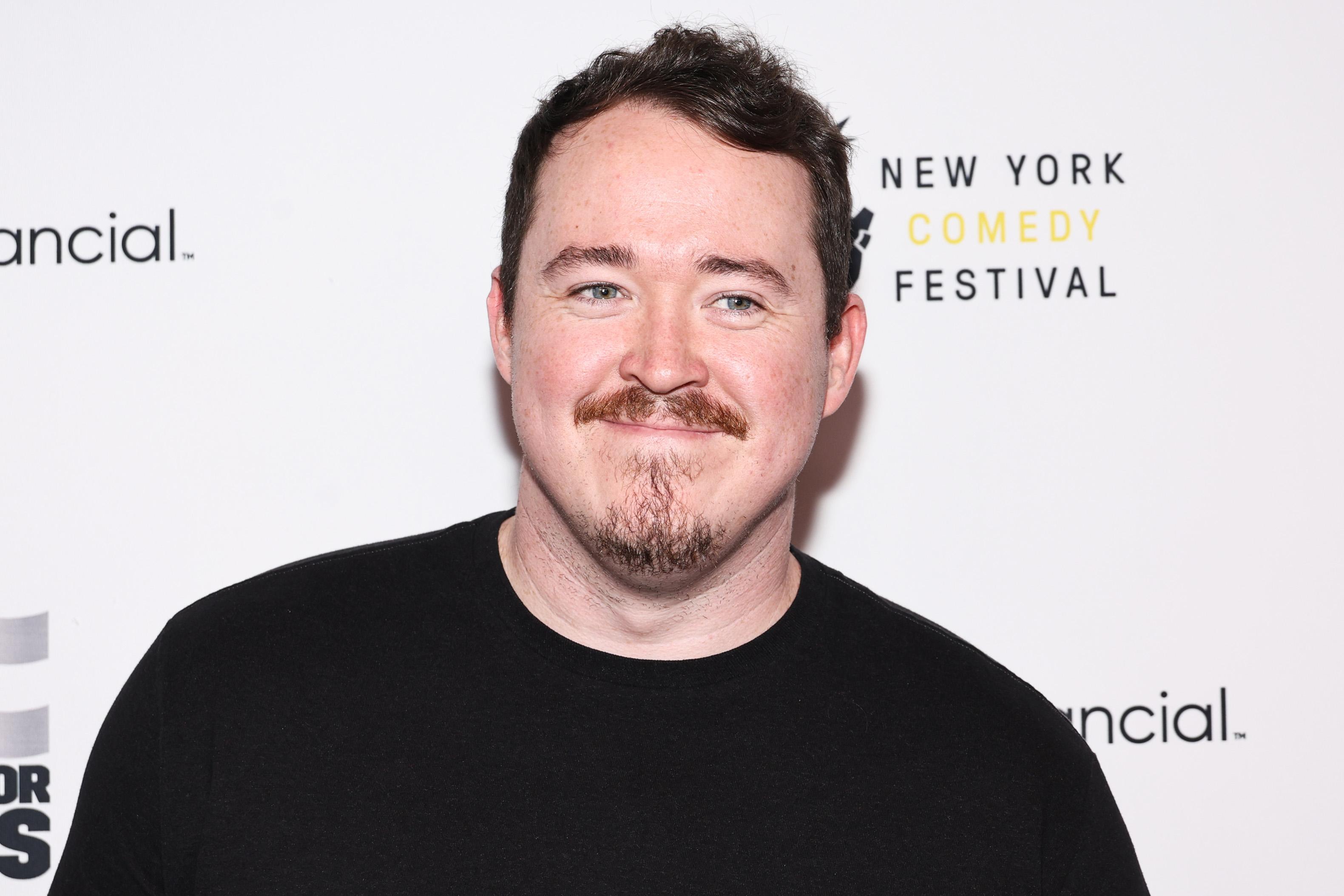
Shane Gillis's recent hosting appearance on 'Saturday Night Live' (SNL) ignited controversy, particularly following his monologue. Gillis had previously been fired from the SNL writing staff in 2019 due
to homophobic comments made on his podcast. The controversy surrounding his return prompted a response from SNL UK's Ania Magliano during their 'Weekend Update' segment. This incident has led to discussions about the differences between British and American comedy scenes, with Oxford-based comic Alex Farrow noting that while both are vast, the decision to re-hire Gillis suggests that 'controversy sells' in the American context, especially given the financial pressures of producing sketch comedy.
Why It's Important?
The controversy surrounding Shane Gillis's return to 'Saturday Night Live' highlights ongoing debates within the entertainment industry regarding cancel culture, artistic freedom, and the commercial value of controversy. His re-hiring, despite past controversial remarks, suggests that for some platforms, the potential for increased viewership and buzz outweighs concerns about public backlash. This situation underscores the economic realities of sketch comedy production, where drawing in audiences is paramount. It also brings into focus the differing cultural sensitivities and comedic approaches between the U.S. and the UK, with the UK scene, influenced by events like the Edinburgh Fringe, often perceived as more left-leaning. This divergence can impact talent selection and the types of humor deemed acceptable or desirable by audiences and producers in each region.
What's Next?
The continued discussion around Shane Gillis's SNL appearance suggests that the entertainment industry will likely continue to grapple with the balance between controversial talent and audience reception. This incident may influence future casting decisions for 'Saturday Night Live' and other comedy programs, potentially leading to more calculated risks in hiring hosts who have generated past controversies. It also highlights the ongoing evolution of comedy, where the lines between acceptable and offensive humor are constantly being redrawn. The differing responses from the U.S. and UK comedy scenes indicate that these debates are not monolithic and will continue to be shaped by local cultural contexts and economic pressures.
Beyond the Headlines
The Shane Gillis controversy delves into deeper implications concerning the ethics of second chances in public life and the commercialization of outrage. It raises questions about whether past transgressions should permanently bar individuals from mainstream platforms, or if there is a path to redemption, particularly when controversy can boost ratings. This situation also reflects a broader societal tension between accountability and the desire for provocative content. The economic imperative to attract viewers, as noted by Alex Farrow, suggests that the entertainment industry may increasingly prioritize engagement, even if it stems from contentious figures, potentially normalizing a cycle where controversy becomes a viable business model. This could have long-term effects on the types of voices amplified in popular culture and the standards of conduct expected from public figures.