


What's Happening?
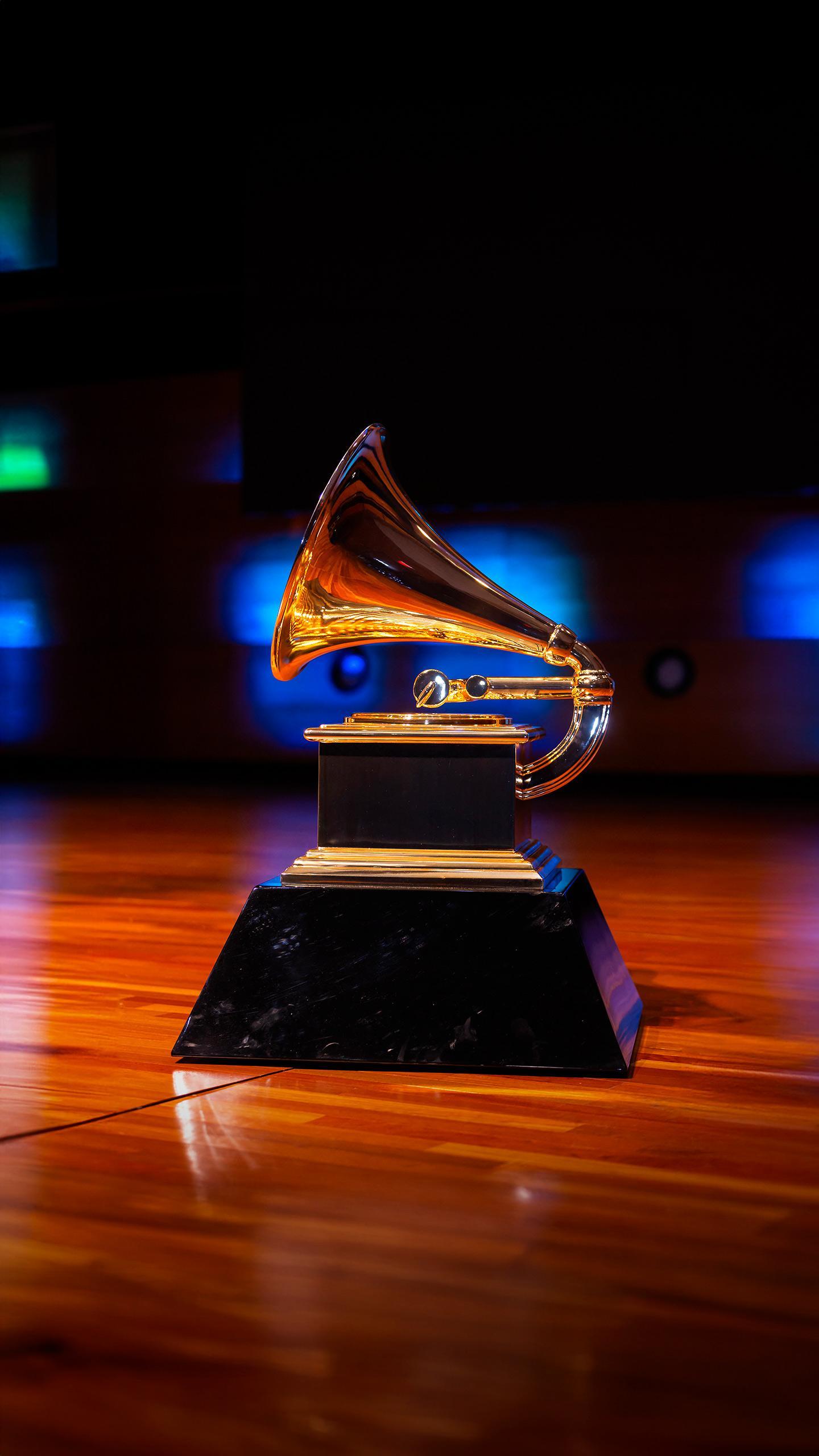
Speech, the Grammy Award-winning frontman of the hip-hop group Arrested Development, recently spoke to approximately 90 students at Wilkes-Barre Area High School. The event, presented by the F.M. Kirby
Center, featured Speech discussing his personal artistic journey and the historical evolution of hip hop. He highlighted the genre's accessibility, noting it doesn't require expensive instruments, and emphasized its origins among oppressed communities, calling it revolutionary. Speech also touched upon hip hop's collaborative and multifaceted nature, its ability to absorb influences from other genres, and his own practice of sampling. During a conversational question-and-answer session, students engaged with Speech, who encouraged them to embrace their artistic potential and create their own unique identities. He shared personal stories, including how the loss of friends influenced his music to celebrate life, and discussed the political activism ingrained in his upbringing, with parents involved in the Civil Rights movement and an uncle in the Black Panthers.
Why It's Important?
Speech's visit to Wilkes-Barre Area High School underscores the enduring cultural and educational impact of hip hop. By sharing his experiences and insights, he provided students, particularly artists of color, with a relatable and inspiring figure who has achieved global renown in the music industry. His message about hip hop's revolutionary origins and its role as a voice for the oppressed can broaden students' understanding of music as a tool for social commentary and personal expression. The emphasis on authenticity and creating one's own artistic identity is crucial for young aspiring artists, fostering self-belief and encouraging innovation. Furthermore, Speech's discussion of political activism within hip hop highlights the genre's historical connection to social justice movements, offering a valuable lesson on the intersection of art and societal change. This engagement can inspire a new generation to view their creative pursuits as meaningful contributions to culture and community.
What's Next?
The inspiration provided by Speech's visit could lead to increased student engagement in music and arts programs at Wilkes-Barre Area High School. Students, particularly those who resonated with his message, may be motivated to explore hip hop as a creative outlet, potentially forming new music groups, participating in lyric writing workshops, or pursuing further studies in music production and performance. The F.M. Kirby Center, by facilitating such programs, may continue to bring diverse artists to local schools, enriching the educational experience and exposing students to various artistic perspectives. This event could also spark broader discussions within the school community about the role of music in personal development, cultural understanding, and social activism, potentially influencing curriculum development or extracurricular offerings related to contemporary music genres and their historical contexts.
Beyond the Headlines
Speech's presentation delves into the deeper cultural significance of hip hop beyond its commercial appeal. By emphasizing its origins as a voice for the oppressed and its revolutionary nature, he challenges common misconceptions about the genre, positioning it as a powerful force for social change and cultural identity. His personal narrative, detailing how loss and political upbringing shaped his art, illustrates the profound connection between lived experience and creative output. This highlights the therapeutic aspect of music, where artists process personal grief and societal issues through their work. Furthermore, Speech's encouragement for each generation to forge its own artistic revolution speaks to the dynamic and evolving nature of art, suggesting that true artistic progress often involves challenging established norms. This perspective fosters critical thinking about artistic evolution and the responsibility of new artists to innovate while honoring their roots.