

What's Happening?
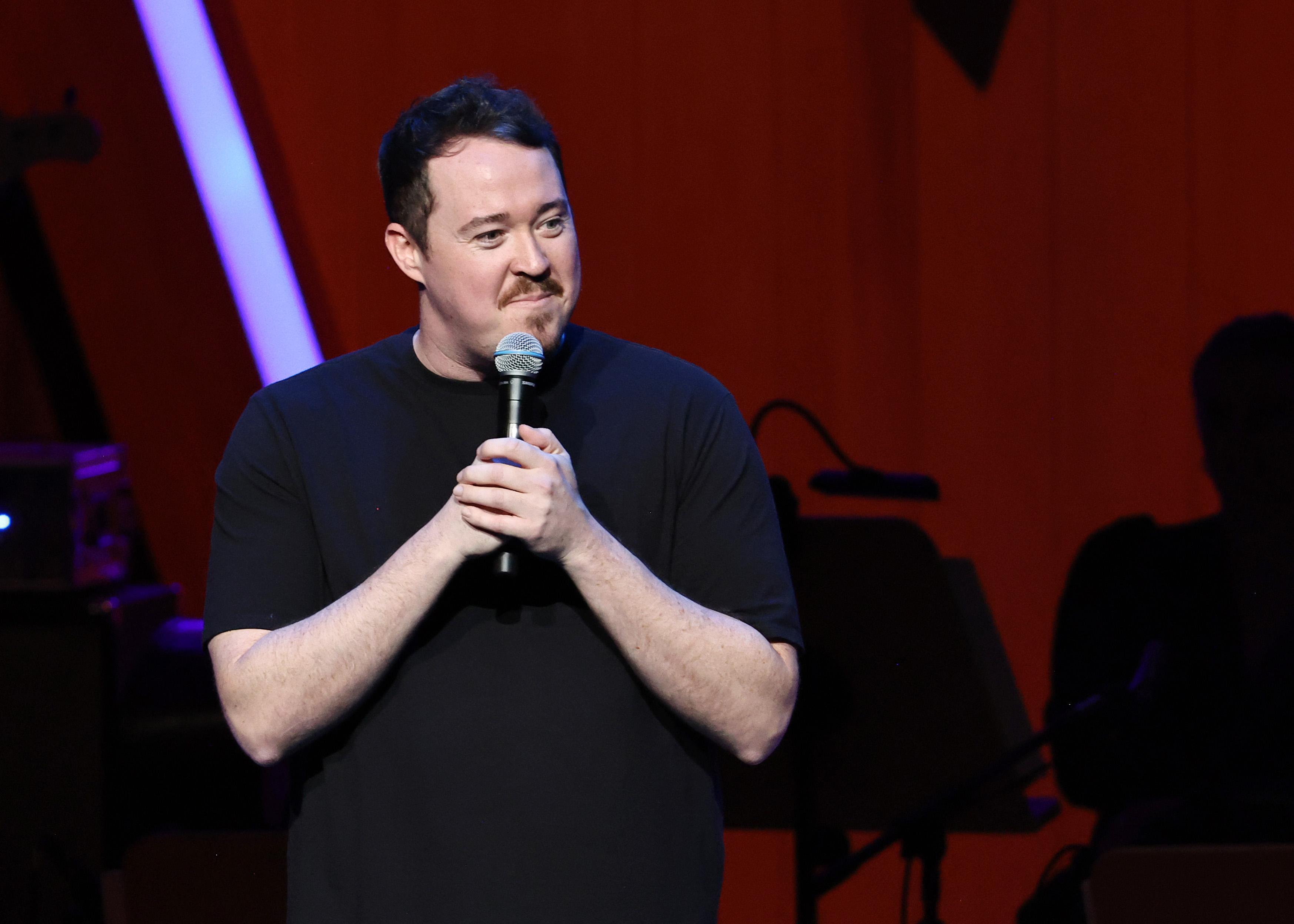
Comedian Shane Gillis has publicly addressed the controversy surrounding his October 10th 'Saturday Night Live' monologue during an appearance on 'The Joe Rogan Experience' podcast. Gillis stated that
he had assured 'SNL' producers there would be 'no controversy' in his set, despite it later sparking outrage over a joke about women's gym attire. He clarified that 'SNL' does not typically pre-approve material for stand-up comedians, suggesting that the show's producers were not aware of the specific content that would cause backlash. Gillis described his monologue as a 'solid C minus' and mentioned he had focused on self-deprecating humor, such as calling himself fat, believing it would be uncontroversial. The joke in question involved Gillis remarking, 'I hadn’t been to the gym in so long, I didn’t know women just dress like whores now?' This comment led to criticism from various public figures, including actor Dan Levy, who labeled the remarks misogynistic. Gillis also noted that he handled this recent controversy differently from his 2019 firing from 'SNL' by immediately deleting his social media accounts to avoid the backlash.
Why It's Important?
This event highlights the ongoing tension between comedic freedom and public sensitivity, particularly in the context of a widely viewed platform like 'Saturday Night Live.' Gillis's comments and the subsequent backlash underscore the evolving standards of acceptable humor and the immediate, widespread impact of controversial statements in the digital age. The discussion on 'The Joe Rogan Experience' also brings to light the differing perspectives on what constitutes offensive content versus comedic expression. For 'SNL,' this incident could reignite debates about its vetting process for hosts and the extent to which it should intervene in comedians' material, especially given Gillis's past controversies. The public reaction, including celebrity criticism, reflects a broader societal conversation about misogyny and the objectification of women, even within a comedic framework. This situation also demonstrates the power of podcasts like 'The Joe Rogan Experience' as a platform for public figures to address controversies directly, bypassing traditional media filters.
What's Next?
The immediate aftermath of Gillis's comments on 'The Joe Rogan Experience' will likely involve continued public discussion and debate across social media and entertainment news outlets. Stakeholders, including 'SNL' producers, other comedians, and advocacy groups, may offer further commentary on the incident, potentially influencing future decisions regarding comedic content and guest selections on major platforms. While Gillis has clarified his stance and expressed his intent, the controversy may linger, affecting his public perception and future opportunities. The incident could also prompt 'SNL' to re-evaluate its policies regarding comedian monologues, potentially leading to more stringent review processes or clearer guidelines for hosts, especially those with a history of controversial remarks. The broader entertainment industry may also observe these developments to gauge audience tolerance for certain types of humor, potentially influencing content creation and distribution strategies.
Beyond the Headlines
Beyond the immediate controversy, this event touches upon deeper implications concerning the role of comedy in society and the boundaries of free speech. The differing reactions to Gillis's joke—from those who defend it as humor to those who condemn it as misogynistic—reflect a cultural divide on what is considered acceptable comedic material. This incident also highlights the double-edged sword of platforms like 'SNL,' which offer immense reach but also subject performers to intense public scrutiny and immediate backlash. The discussion around 'pre-approval' of comedic material raises questions about artistic autonomy versus editorial responsibility, particularly when a show aims to be both edgy and broadly appealing. Furthermore, Gillis's decision to delete social media to avoid backlash points to the psychological toll of online criticism on public figures and the evolving strategies individuals employ to manage their digital presence in times of controversy. This ongoing dialogue contributes to the broader cultural negotiation of humor, offense, and accountability in public discourse.