



What's Happening?
Episode 6 of 'Chicago Fire' Season 15, titled 'Over the Edge,' largely met audience expectations by delivering familiar plotlines and predictable character developments. The episode focused on the three
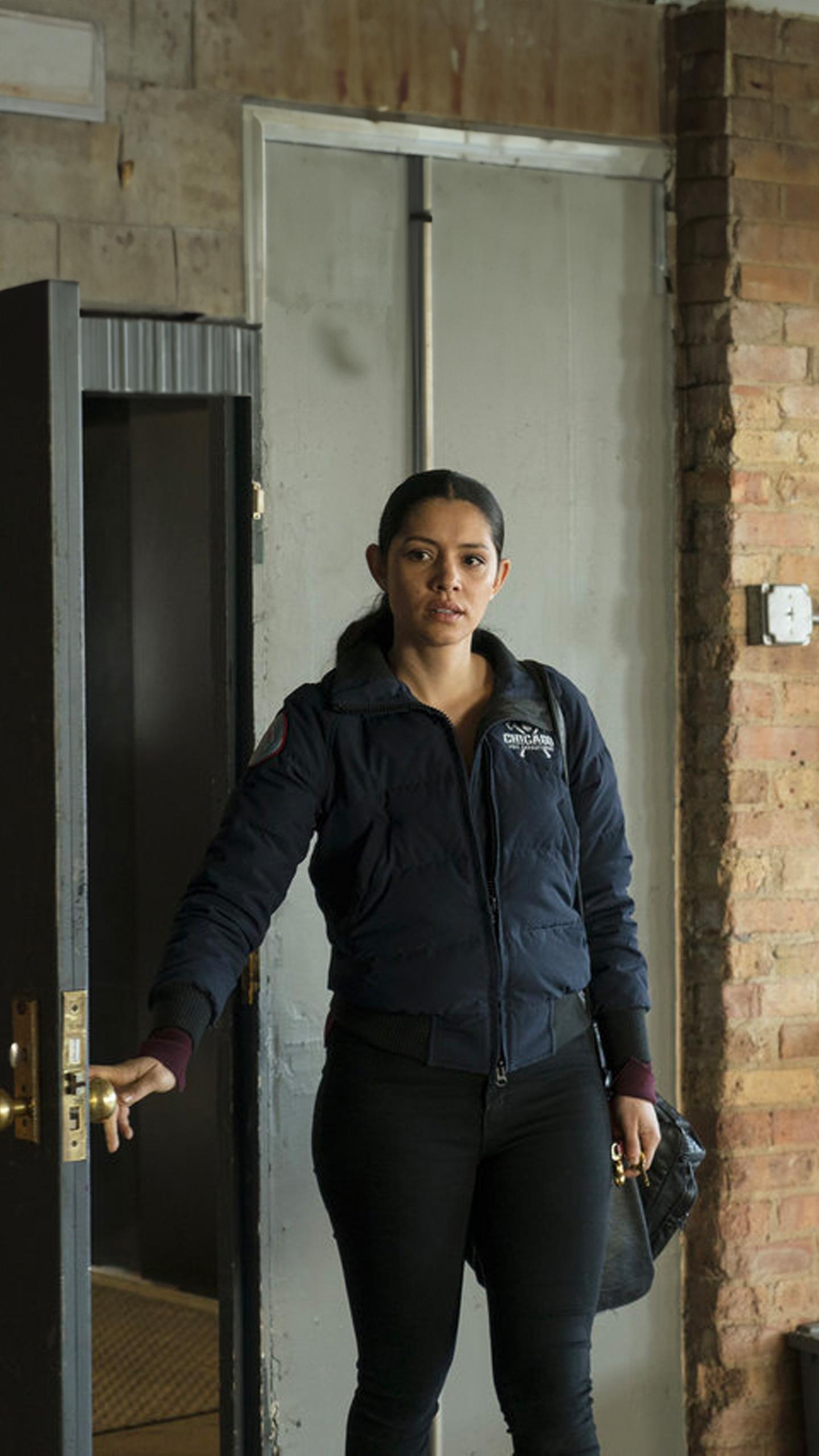
remaining candidates during their final shift at Firehouse 51, with only one full-time position available at another firehouse. However, due to prior announcements that Da’Vinchi would become a series regular, viewers already anticipated his character, Marcus Burke, would find a way to stay at Firehouse 51. This predictability was further reinforced by the recent departure of Joe Cruz from Squad, making Burke's integration into the team a foreseeable outcome. The subplot involved Violet Mikami's mother, Margaret (played by Melinda McGraw), revealing an ALS diagnosis, a narrative device that has been frequently used in the 'One Chicago' universe to create character angst. This revelation prompts Violet to make a decision about her personal life and move forward with Jacob (Carlos Miranda).
Why It's Important?
The episode's reliance on familiar tropes and predictable outcomes highlights a challenge faced by long-running television series: maintaining novelty and suspense after hundreds of episodes. For dedicated viewers, the foreknowledge of plot points, often gleaned from entertainment news, can diminish the impact of on-screen surprises. This dynamic underscores the evolving relationship between television production, media reporting, and audience engagement. While the episode was deemed 'perfectly average' and 'capably executed,' its predictability suggests a potential risk of viewer fatigue if the series continues to lean heavily on established narrative patterns. The use of a serious illness like ALS for character development, while impactful, also raises questions about the ethical implications of repeatedly employing such dramatic devices to generate emotional responses from the audience.
What's Next?
With the predictable milestones of 'Over the Edge' now addressed, 'Chicago Fire' is expected to move past these plot points and introduce new storylines. The integration of Marcus Burke into Firehouse 51 will likely be a continuing theme, exploring his dynamics with the existing team, particularly Kelly Severide. Violet Mikami's personal life, influenced by her mother's diagnosis, will also be a focus, potentially leading to further developments in her relationship with Jacob. The series will need to find innovative ways to create genuine suspense and character growth to keep its long-standing audience engaged, especially given the audience's increasing awareness of behind-the-scenes production decisions and plot leaks.
Beyond the Headlines
The episode implicitly comments on the nature of long-form storytelling in television and the challenges of sustaining audience interest over many seasons. The 'One Chicago' franchise's tendency to kill off parents for character angst reflects a broader trend in serialized dramas to create emotional stakes, sometimes at the expense of narrative originality. This approach can lead to a sense of 'here we go again' among viewers, potentially impacting the show's critical reception and long-term appeal. The story also touches on the influence of external factors, such as entertainment news cycles, on the viewing experience, demonstrating how off-screen information can shape audience perception of on-screen events. This interplay between production, media, and audience highlights the complex ecosystem of modern television consumption.