
What's Happening?
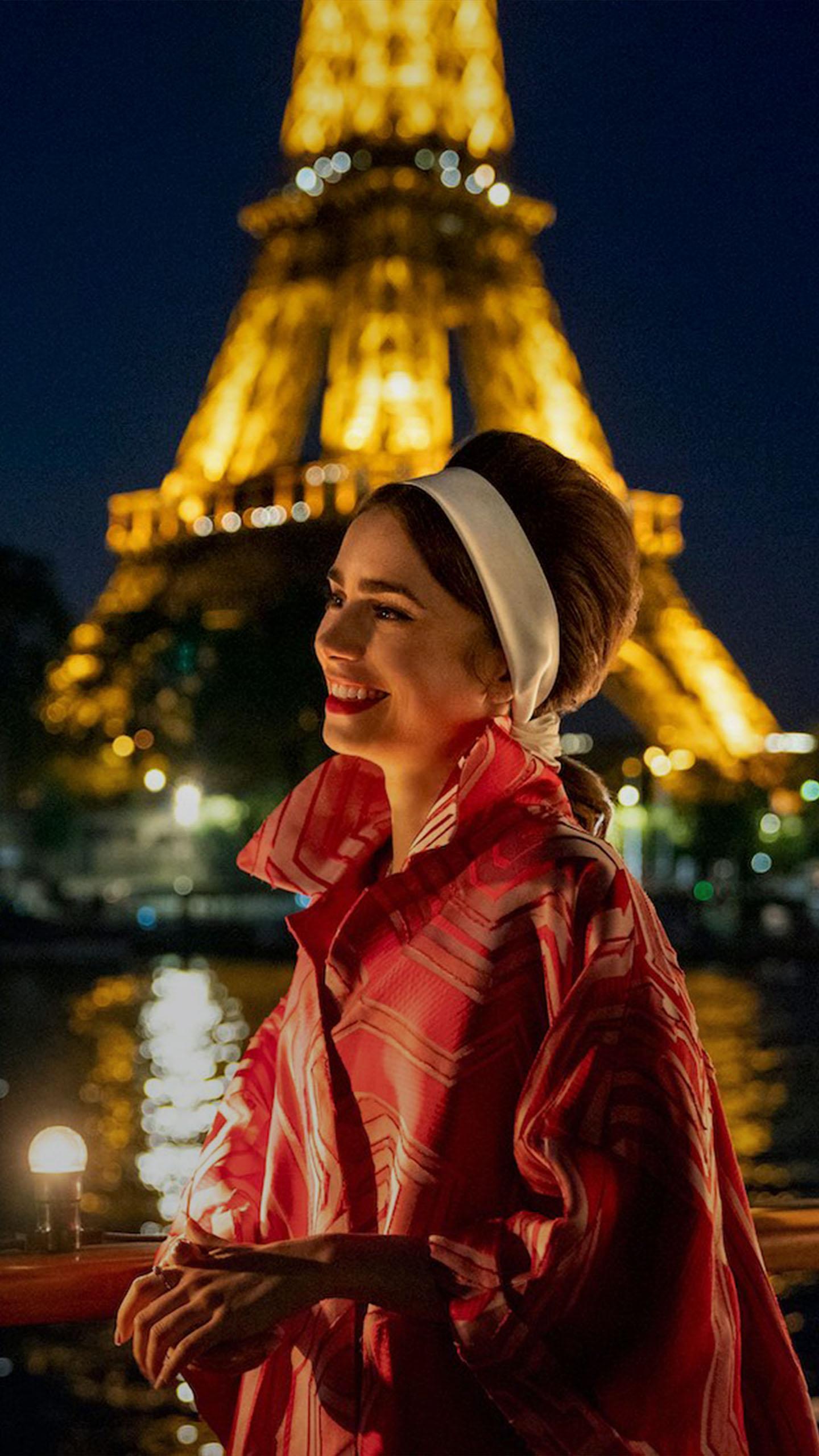
Marylin Fitoussi, the costume designer for the Netflix series 'Emily in Paris,' has discussed her approach to dressing the show's characters, particularly Emily Cooper, ahead of its sixth season. The series,
which premiered in October 2020, follows an American woman navigating life and work in Paris. Fitoussi's designs have often been a point of discussion, with some critics finding them to be stereotypical or cartoonish. However, Fitoussi has defended her choices, stating that Emily's wardrobe was never intended to be high fashion but rather a reflection of a young woman discovering her identity and expressing her desire to explore. An exhibition titled 'Emily in Paris: Fashion Without Rules' at the SCAD FASH Museum of Fashion + Film is currently showcasing outfits from all six seasons, running through March 14, 2027. Fitoussi emphasizes that clothing in the show is a mode of expression and experimentation, mirroring her personal philosophy.
Why It's Important?
The discussion around 'Emily in Paris' and its costume design highlights a broader conversation within the entertainment industry about authenticity versus escapism in television. The show's popularity, despite critical reception of its fashion and cultural depictions, underscores the audience's desire for 'delectably digestible television' that offers a reprieve from reality. Fitoussi's steadfast vision, even in the face of criticism, demonstrates the artistic integrity that can drive creative decisions in costume design, prioritizing character development and narrative over strict adherence to fashion norms. The exhibition further solidifies the show's place in pop culture, offering a unique perspective on how television costumes can influence public perception and serve as a form of character study, tracing evolution through visual storytelling. This approach can inspire other creators to prioritize narrative expression over conventional aesthetic expectations.
What's Next?
As 'Emily in Paris' prepares for its sixth season, viewers can anticipate a continuation of Emily's distinctive style, which Fitoussi describes as a more 'elevated, mature, and evolved' version while remaining true to her eclectic and slightly awkward essence. The ongoing exhibition at SCAD FASH Museum of Fashion + Film will continue to draw attention to the show's costume design, potentially influencing discussions around fashion in television and inspiring aspiring designers. The show's continued run and the retrospective exhibition suggest a lasting cultural impact, prompting further analysis of its role in contemporary pop culture and its unique approach to visual storytelling through clothing. The dialogue between critics and creators regarding the show's fashion choices is likely to persist, contributing to broader conversations about artistic freedom and audience reception in entertainment.
Beyond the Headlines
The 'Emily in Paris' phenomenon extends beyond mere entertainment, touching upon themes of cultural representation, artistic interpretation, and the evolving role of fashion in storytelling. Fitoussi's assertion that the show's fashion is about 'creativity, individuality, making something not trendy at all' challenges conventional notions of what constitutes 'good' fashion, especially in a medium as influential as television. This perspective encourages viewers and designers alike to embrace personal style and experimentation, moving away from rigid fashion rules. The show's ability to generate strong reactions, both positive and negative, also highlights the power of visual media to spark dialogue and debate about cultural stereotypes and artistic license. Ultimately, 'Emily in Paris' serves as a case study in how a television series can become a cultural touchstone, prompting deeper reflections on identity, expression, and the subjective nature of taste.