

What's Happening?
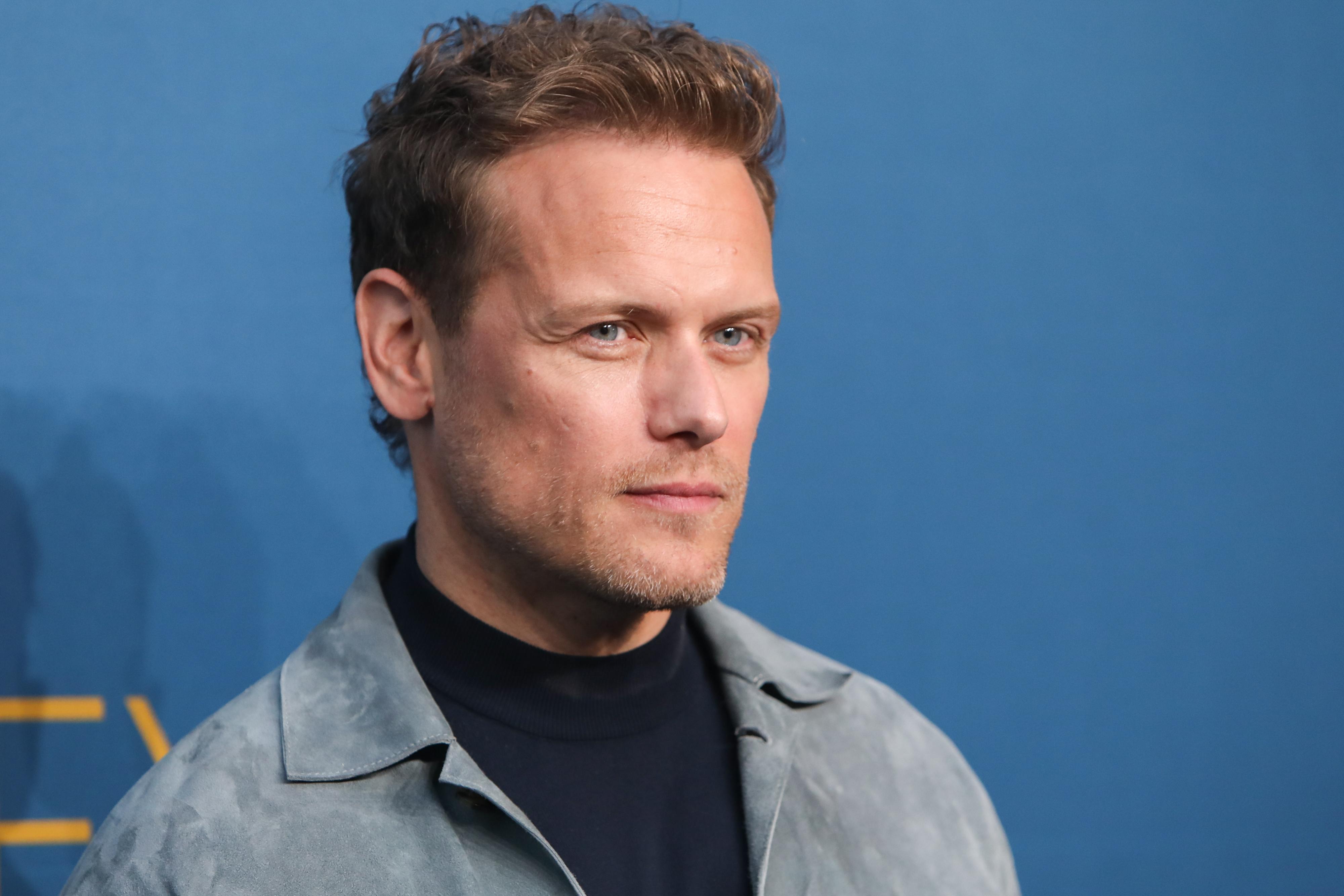
Actor Sam Heughan has publicly criticized BBC Scotland for its decision not to broadcast the 2026 BAFTA Scotland Awards. Heughan, who accepted the Outstanding Contribution to Television award on behalf
of 'Outlander' at the ceremony, called the decision 'outrageous.' He questioned how Scotland's film and television industries could flourish without 'homegrown support.' BBC Scotland stated that the decision was part of a 'wider savings challenge' aimed at cutting £500 million from its spending over the next three years. This move meant that the event, considered a major celebration of Scotland's creative industries, was not televised, leading to widespread condemnation from figures within the Scottish arts community. Other critics, including Glasgow Tellyfest founder Claire Duffy and Scotflix founder Maureen Hascoet, echoed Heughan's sentiments, expressing concerns about the visibility and support for Scottish culture.
Why It's Important?
The decision by BBC Scotland to cut the broadcast of the BAFTA Scotland Awards is significant for the Scottish creative industries and raises broader questions about public broadcasting's role in supporting national culture. Sam Heughan's high-profile criticism amplifies concerns that such cuts could hinder the growth and recognition of Scottish talent in film and television. For the U.S. entertainment landscape, where Scottish productions like 'Outlander' have a substantial following, this move could indirectly impact the pipeline of content and talent that eventually reaches international audiences. The debate highlights the tension between financial austerity measures in public broadcasting and the imperative to foster and celebrate national artistic achievements. Stakeholders fear a lack of visibility could curb creative ambition and diminish the perceived value of Scottish productions.
What's Next?
The backlash from Sam Heughan and other industry figures may pressure BBC Scotland to reconsider its approach to covering cultural events in the future, though the corporation has cited significant financial constraints. The BBC's broader savings plan, which includes axing over 550 roles across various divisions, suggests that such difficult decisions may continue. The ongoing debate will likely focus on alternative platforms or funding models for showcasing Scottish creative achievements. Industry professionals and cultural advocates may intensify their lobbying efforts to secure better support and visibility for Scottish film and television. The situation could also prompt discussions about the long-term impact of budget cuts on the cultural identity and international presence of Scottish arts.
Beyond the Headlines
This incident delves into deeper implications concerning the role of national broadcasters in fostering cultural identity and supporting local industries. The argument that 'if we can't see ourselves reflected back, will that curb creative ambition' speaks to the existential threat perceived by many in the Scottish creative sector. It also highlights a recurring tension between centralized broadcasting policies and regional or national cultural needs. The decision by BBC Scotland, a public service broadcaster, to de-prioritize a major national awards ceremony raises questions about its commitment to its mandate of reflecting and serving the nation's cultural life. This could lead to a broader re-evaluation of how public funds are allocated to cultural programming and the potential for increased calls for greater autonomy or dedicated funding for Scottish arts within the broader UK broadcasting landscape.