
What's Happening?
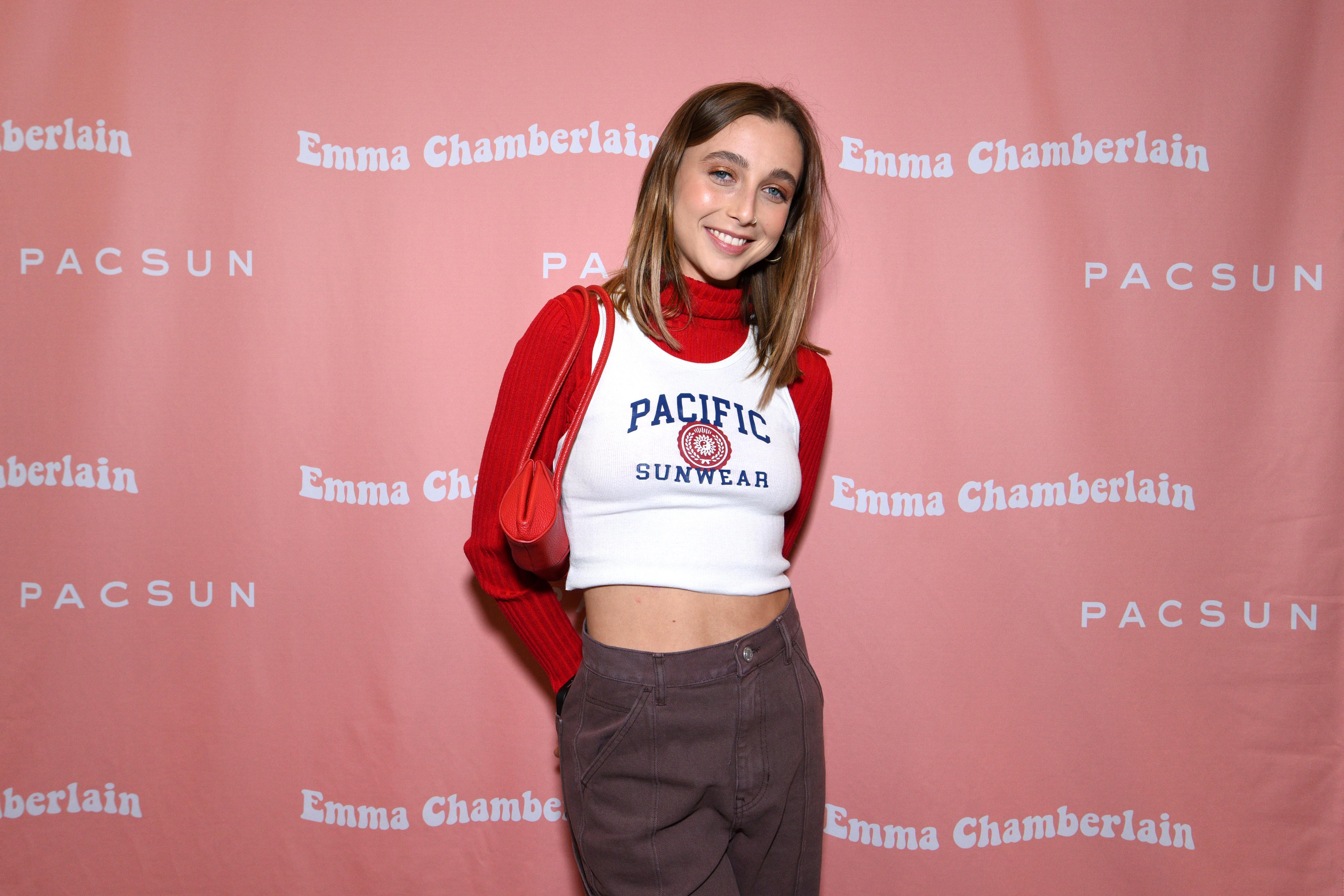
Emma Chamberlain has returned to YouTube after a hiatus, launching a studio-backed docuseries focusing on queues in New York. This move aligns with a broader trend on YouTube, where the platform is increasingly
prioritizing studio-quality, TV-style programming over traditional lo-fi vlogs. YouTube recently announced big-budget productions and original formats at its Creator Premieres event, including docuseries, comedy shows, and cooking programs, signaling its ambition to evolve beyond a simple video publishing hub. This shift is also reflected in how brands are engaging with the creator economy, moving from one-time deals to integrated, long-term partnerships and even becoming entertainment destinations themselves by commissioning scripted, entertainment-driven shows. The platform's focus on high production value content is a response to the influx of synthetic content and AI-generated material, aiming to emphasize human-led, premium video entertainment.
Why It's Important?
This strategic pivot by YouTube and creators like Emma Chamberlain signifies a significant evolution in the digital content landscape. For creators, collaborating with studios offers enhanced security, larger budgets, and scalability, while still maintaining creative freedom, which is a substantial upgrade from the often unpredictable nature of traditional vlogging. For YouTube, this move aims to solidify its position as a major entertainment platform, competing directly with streaming services for audience attention in living rooms. The emphasis on high-quality, episodic content could attract a more diverse and engaged audience, potentially increasing ad revenue and platform stickiness. Brands also stand to benefit by integrating their messaging into entertainment rather than interrupting it, leading to more effective and memorable advertising campaigns. This shift could redefine how content is produced, consumed, and monetized in the creator economy, pushing it closer to traditional television models.
What's Next?
The trend of YouTube and its creators moving towards TV-style content is expected to continue, with more established creators likely to pursue studio-backed projects and format-driven shows. YouTube will likely further invest in original programming and events similar to its Creator Premieres to showcase its premium offerings. Brands are anticipated to allocate larger portions of their marketing budgets to social video, transforming their advertising strategies to focus on creating entertainment-led content that resonates with audiences. This could lead to a blurring of lines between traditional advertising and entertainment, with brands effectively becoming content studios. The platform's success in this endeavor will depend on its ability to consistently deliver high-quality content that can compete with established television and streaming services, while also retaining the unique appeal of creator-led content.
Beyond the Headlines
This evolution in the creator economy raises several deeper implications. Ethically, the increased professionalization and studio involvement could lead to a more homogenized content landscape, potentially stifling the raw, authentic, and diverse voices that initially made YouTube popular. Legally, the shift towards more structured, IP-driven content may lead to more complex contractual agreements and intellectual property disputes between creators, studios, and platforms. Culturally, as social video platforms increasingly resemble traditional TV, the distinction between 'influencer' and 'celebrity' may diminish, impacting how audiences perceive and engage with digital personalities. This transformation also highlights a long-term shift in media consumption habits, where audiences increasingly seek high-quality, on-demand entertainment across various platforms, pushing all content providers to elevate their production standards to remain competitive.