
What's Happening?
The Marvel Cinematic Universe (MCU) frequently adapts storylines and characters directly from its comic book source material. Several prominent MCU films and television series have taken significant inspiration,
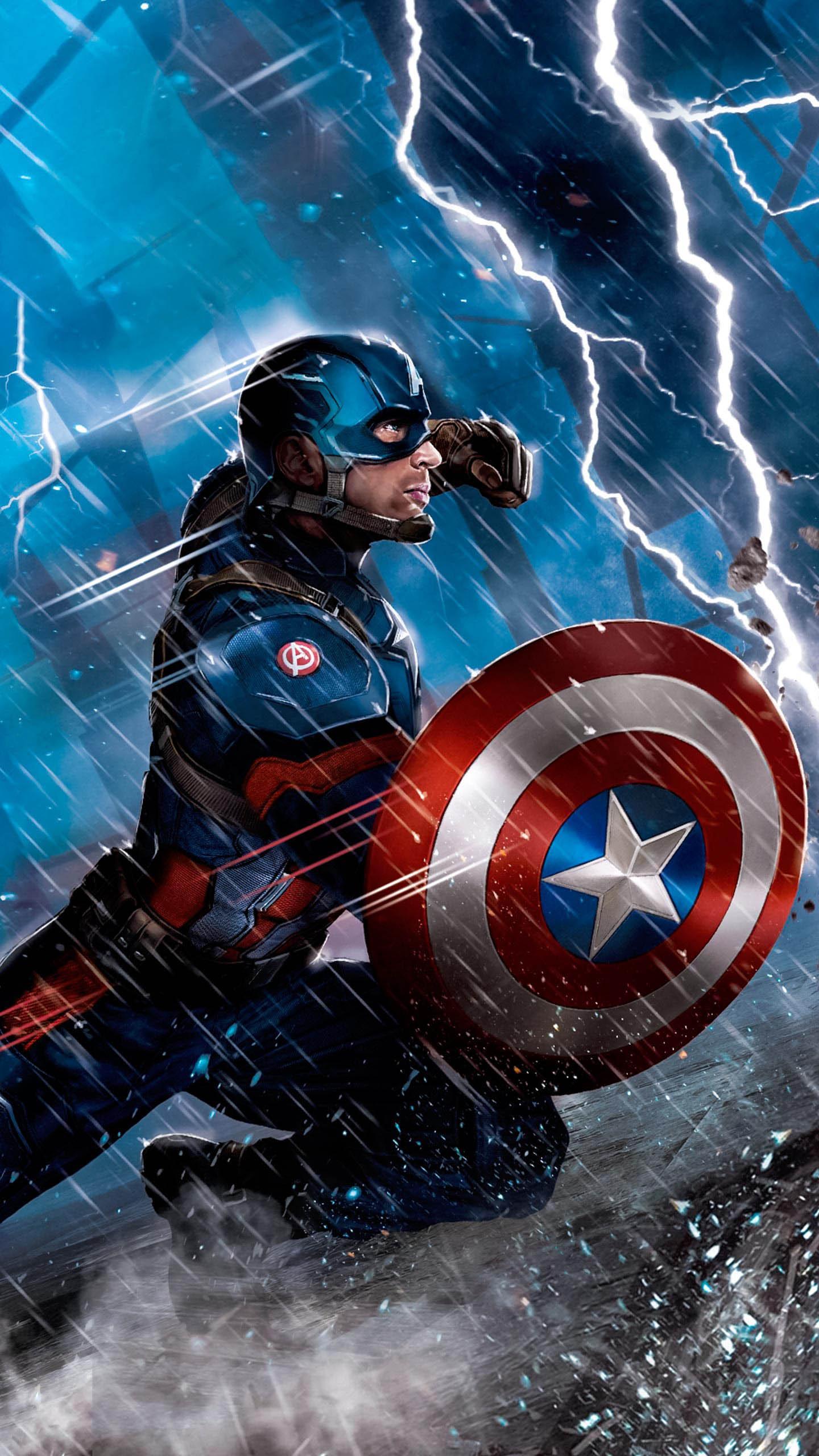
and in some cases, specific scenes, from Marvel Comics. For instance, the 2015 Netflix series 'Jessica Jones' was heavily influenced by Brian Michael Bendis and Michael Gaydos' 'Alias' comic series, incorporating Jessica's tragic backstory, her early attempts at heroism, her past with Kilgrave, and her relationship with Luke Cage. Similarly, 'Thor: Ragnarok' (2017) drew from Greg Pak's 'Planet Hulk' comic, featuring the Hulk's gladiator storyline on Sakaar and introducing characters like Korg and Miek. The 2016 film 'Captain America: Civil War' was based on Mark Millar and Steve McNiven's 'Civil War' comic event, depicting the conflict between Iron Man and Captain America over government oversight of superheroes. The Disney+ series 'Hawkeye' (2021) adapted core concepts from Matt Fraction and David Aja's 'Hawkeye' comic, including Clint Barton's hearing loss, the 'Track-suit Mafia,' and the introduction of Kate Bishop.
Why It's Important?
The MCU's reliance on comic book source material is crucial for maintaining narrative consistency and appealing to both long-time comic fans and new audiences. By adapting established storylines, Marvel ensures a rich and complex universe with pre-vetted character arcs and thematic depth. This approach minimizes creative risks while maximizing fan engagement, as viewers often enjoy seeing beloved comic book moments brought to life on screen. The success of these adaptations demonstrates the enduring power of comic book storytelling and its ability to translate into different media. It also highlights the collaborative nature of the entertainment industry, where writers, directors, and producers work to honor the original creators' visions while expanding the universe for a global audience. This strategy has significantly contributed to the MCU's unprecedented commercial and critical success, setting a benchmark for cinematic universes.
What's Next?
The continued success of the MCU's adaptation strategy suggests that future films and series will likely continue to draw heavily from Marvel Comics. This approach allows for a vast pool of stories and characters to be explored, ensuring a steady pipeline of content for years to come. Upcoming projects are expected to delve into other iconic comic book arcs, potentially introducing new heroes and villains while further developing existing ones. The integration of new characters like Kate Bishop in 'Hawkeye' also indicates a commitment to expanding the roster of heroes, paving the way for future team-ups and standalone stories. This ongoing adaptation process will continue to shape the narrative direction of the MCU, influencing its thematic explorations and character developments, and maintaining its relevance in the competitive entertainment landscape.
Beyond the Headlines
The MCU's adaptation model also raises questions about creative interpretation versus strict adherence to source material. While many elements are directly borrowed, filmmakers often take liberties to fit the stories within the broader cinematic universe or to update them for contemporary audiences. This balance between fidelity and innovation is a constant challenge, as creators aim to satisfy fan expectations while also delivering fresh and engaging narratives. The success of these adaptations also underscores the cultural impact of comic books, elevating them from niche entertainment to mainstream cultural phenomena. The MCU has effectively demonstrated how a well-executed adaptation can not only honor its origins but also introduce complex themes and characters to a global audience, influencing popular culture and inspiring new generations of storytellers.