
What's Happening?
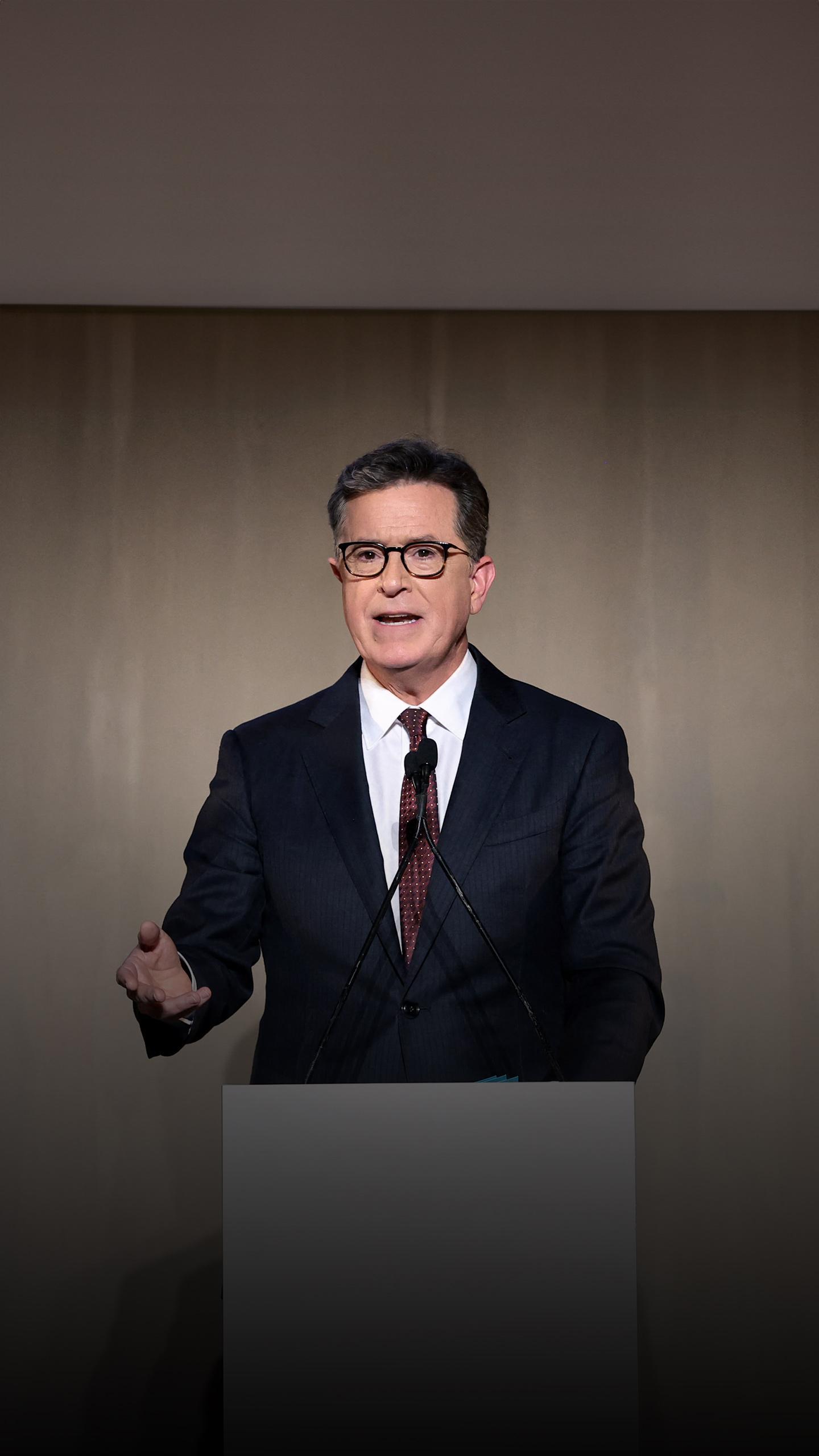
A Harvard University event featuring Stephen Colbert and cellist Yo-Yo Ma was abruptly cut short by a fire alarm after Colbert was accused of crossing a picket line. The event, part of the Office of the Arts’
'Learning from Performers' series, was held on a Thursday. Members of the Harvard Graduate Students Union (HGSU), who have been on strike since October 27 for higher wages and better workplace protections, had requested Colbert and Ma to either relocate, postpone, or cancel their appearance in solidarity with the striking workers. Despite the union's plea, the event proceeded as scheduled in Sanders Theatre, leading to dozens of Harvard workers protesting outside. Approximately 40 minutes into the 90-minute conversation, a fire alarm sounded, leading to Colbert's evacuation. The HGSU stated on social media that the alarm was unrelated to their picketing activity and that they had no knowledge of its cause. Fiona Coffey, OFA director, expressed disappointment over the event's premature end.
Why It's Important?
This incident highlights the ongoing tensions between striking workers and institutions, particularly in academic settings, and the broader implications for public figures. Stephen Colbert's decision to proceed with the event, despite the HGSU's request, drew criticism, especially given his past support for striking workers during the 2023 Hollywood strikes. His co-founding of the 'Strike Force Five' podcast to support out-of-work production staff and writers during those strikes set a precedent that made his current actions at Harvard particularly scrutinized. The event underscores the ethical dilemmas faced by public figures when navigating labor disputes and the pressure to align actions with stated principles. The disruption, regardless of its cause, brought significant attention to the HGSU's strike and their demands, potentially influencing public perception and support for their cause. It also raises questions about the responsibilities of institutions like Harvard in managing events during periods of labor unrest.
What's Next?
The cause of the fire alarm remains unclear, and investigations may follow to determine its origin. The HGSU's strike for higher wages and stronger workplace protections is ongoing, and this incident may intensify their efforts and public visibility. The controversy surrounding Colbert's appearance could lead to further discussions about celebrity involvement in labor disputes and the expectations placed upon public figures to support workers' rights. Harvard University may face continued pressure from the union and potentially from the wider academic community regarding their handling of the strike and future events involving high-profile guests. The incident could also prompt a re-evaluation of security and contingency plans for public events held during periods of labor action on campus.
Beyond the Headlines
The incident at Harvard transcends a simple event disruption, touching upon deeper societal issues concerning labor rights, academic freedom, and the role of public figures in social movements. The HGSU's call for solidarity reflects a growing trend of inter-union support and the expectation that allies, especially those with a platform, will honor picket lines. The ambiguity surrounding the fire alarm's cause adds a layer of intrigue, potentially fueling speculation and further polarizing opinions. This event could serve as a case study for how universities and public figures navigate the complexities of labor disputes, particularly when they involve highly visible individuals. It also highlights the power of collective action and the various ways in which workers can draw attention to their demands, even through indirect means.