





A Lunar First
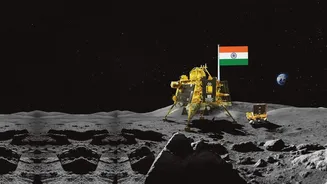
Following the triumphant Chandrayaan-3, India is gearing up for an even more daring space expedition: Chandrayaan-4. This upcoming mission is designed
as a comprehensive sample-return operation, a complex maneuver that few space agencies worldwide have successfully executed. The primary objective is to collect lunar soil and rock specimens and transport them back to Earth for in-depth analysis. This ambitious undertaking represents a monumental stride in India's expanding space exploration capabilities, promising to deepen our understanding of the Moon's composition and evolution. The mission's success will not only be a testament to ISRO's technological prowess but also open new avenues for scientific discovery, allowing researchers to study lunar materials firsthand outside of their natural environment.
Mission Architecture
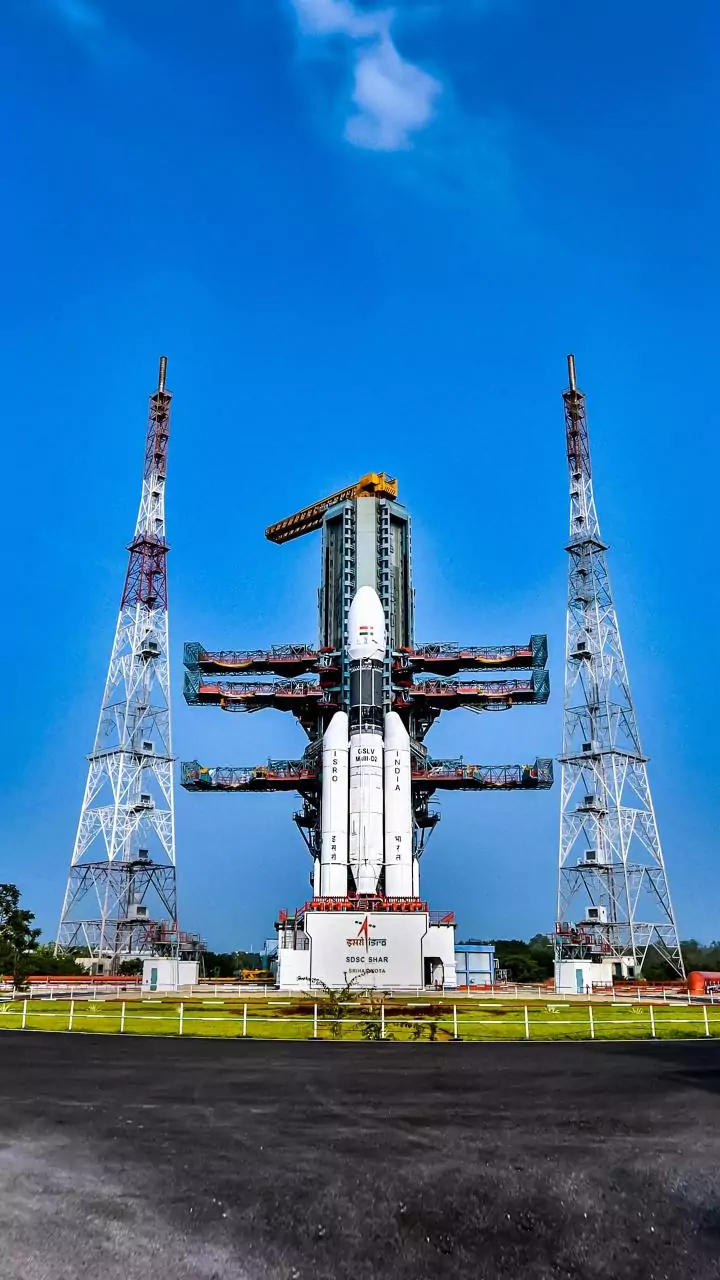
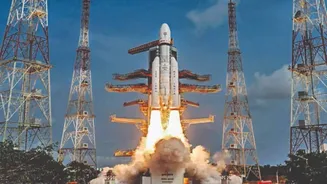
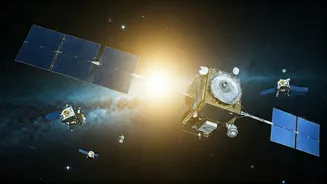
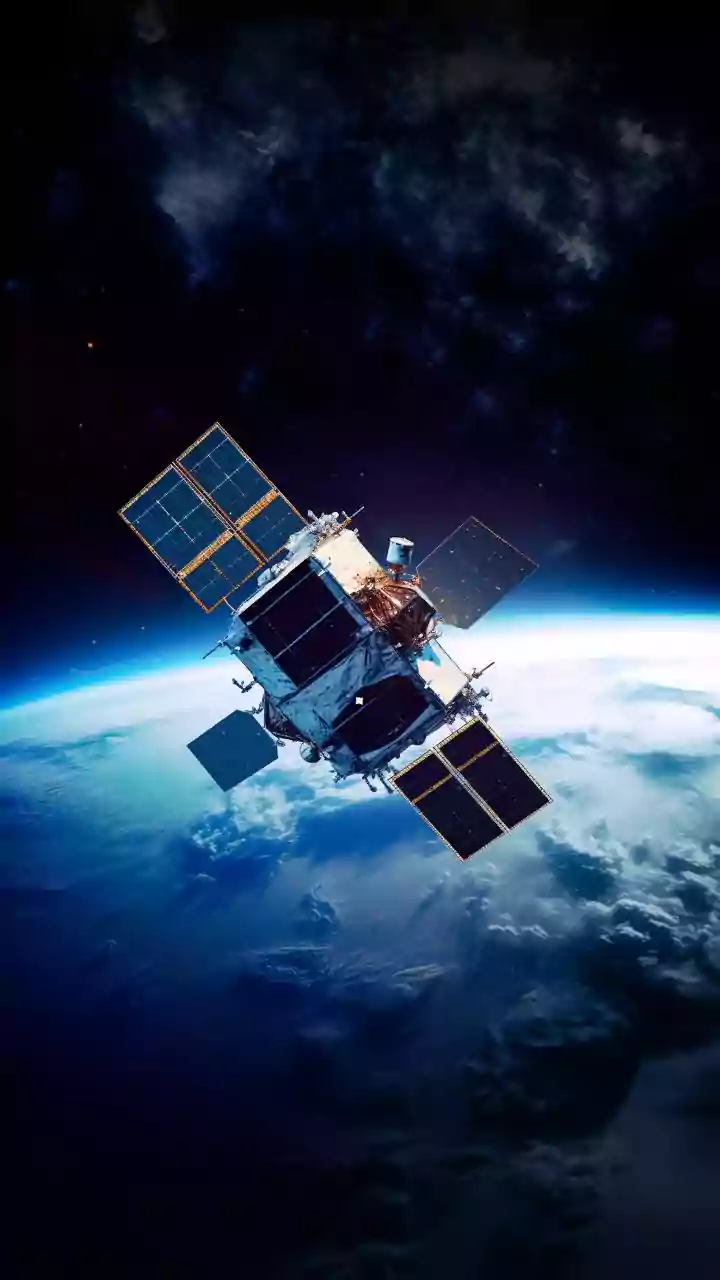
The success of Chandrayaan-4 hinges on the flawless performance of its intricate multi-module spacecraft. It will consist of distinct landing, ascent, and return modules, each performing a critical role in sequence. The mission is slated for a launch from the Sriharikota spaceport, though a precise launch date is yet to be confirmed. The landing module will initiate the process by making a gentle touchdown on the lunar surface. Subsequently, a sophisticated robotic system will be deployed to meticulously collect designated soil and rock samples, which will then be secured in specialized containers. Following sample collection, an ascent vehicle will lift off from the Moon, carrying the precious cargo. This vehicle will then rendezvous and dock with a return module orbiting the Moon. The return module will then embark on the journey back to Earth, tasked with safely navigating the extreme heat generated during atmospheric re-entry.
Scientific Target
The chosen landing zone for Chandrayaan-4 is strategically located near the lunar south pole, a region of immense scientific intrigue. This polar area is believed to harbor substantial deposits of frozen water and ancient geological materials that could hold invaluable clues about the Moon's nascent stages of development. ISRO's Special Projects Director, P. Veeramuthuvel, articulated that a core aim of the mission is to enhance our understanding of the Moon through 'in situ sample collection' utilizing India's indigenous technological capabilities. By collecting samples directly from this scientifically rich locale, researchers anticipate gaining unprecedented insights into the Moon's geological history, its formation processes, and the potential presence of volatile compounds, such as water ice, which could be crucial for future lunar habitation and resource utilization.
Global Impact
Chandrayaan-4 is more than just a scientific mission; it's a cornerstone of ISRO's expansive long-term vision for space exploration, which notably includes the development of an Indian space station. The successful completion of this sample-return mission is expected to foster stronger international collaborations and attract global scientific partnerships. It will undoubtedly bolster India's standing among the world's leading spacefaring nations, further solidifying its reputation as a key player in lunar exploration. This achievement could pave the way for joint research projects and shared technological advancements, contributing significantly to the global scientific community's collective knowledge about the Moon and beyond.