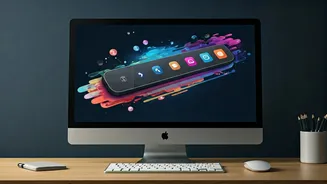









Taskbar Freedom Returns
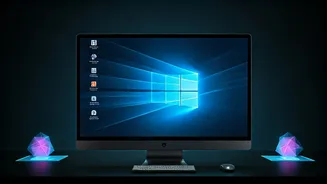
After a significant period where users voiced their desires, Microsoft has acknowledged the demand to bring back the ability to reposition the Windows
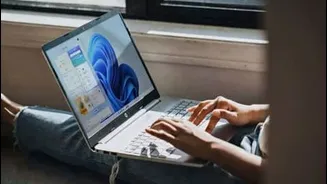
taskbar. This highly anticipated change means users will soon have the flexibility to place their taskbar not only at the bottom of the screen but also at the top or along either side. This move addresses years of user feedback and criticism concerning the limitations of the initial Windows 11 design, particularly regarding user experience, performance, and overall reliability. The company recognizes that this functionality is a core element for many users, and its absence was a notable point of contention since the operating system's launch in 2021. This update aims to rectify that by offering a more adaptable and user-centric interface, making the Windows experience more comfortable and efficient for a wider range of users who have specific desktop layout preferences. The integration of this feature is a direct result of listening to the community's persistent requests.
A User-Driven Evolution
The journey to reinstate the movable taskbar in Windows 11 has been a lengthy one, driven by persistent user feedback and online discussions that spanned nearly five years. Many users expressed dissatisfaction with the rigid design introduced with Windows 11, which removed a feature that had been a long-standing staple in previous Windows versions. The initial rollout of Windows 11 was met with criticism for lacking several common customizations, including the ability to adjust the taskbar's position, display the time and date on multiple monitors, or utilize smaller taskbar icons. The new Windows 11 taskbar design itself is rooted in the concept of Windows 10X, an operating system originally intended for dual-screen devices. This evolution, however, led to a reimagined approach for single-screen devices, prompting the need to reintroduce beloved functionalities like taskbar repositioning. This update is a clear testament to Microsoft's commitment to incorporating user-generated insights into the ongoing development of its flagship operating system, ensuring it evolves in line with user expectations and demands for greater flexibility and control over their digital workspace.
Upcoming Enhancements
Beyond the core feature of taskbar repositioning, Microsoft is also planning further enhancements to the Windows 11 taskbar experience, which will be rolled out in subsequent updates. For those who find the standard taskbar size overwhelming or prefer a more minimalist setup, an optional, smaller version of the taskbar is also in development. This addition is expected to cater to users who prioritize screen real estate or have specific aesthetic preferences. The initial deployment of the movable taskbar feature will be made available to Windows Insiders in the coming weeks, allowing a dedicated group of users to test and provide feedback before it reaches the general public later in the year. This phased approach ensures that the feature is refined and ready for a smooth rollout to all Windows 11 users, demonstrating a thoughtful development process that prioritizes stability and user satisfaction. The inclusion of these customizable options underscores Microsoft's effort to make Windows 11 a more adaptable and user-friendly operating system.